



As an LPG hose supplier, I've seen firsthand how crucial it is to ensure the proper connection of an LPG hose to an appliance. It's not just about getting the job done; it's about safety, efficiency, and peace of mind. In this blog, I'll share some tips and tricks on how to make sure your LPG hose is connected correctly every time.
Understanding the Basics
Before we dive into the connection process, let's take a quick look at what an LPG hose is and how it works. LPG, or liquefied petroleum gas, is a popular fuel source for a variety of appliances, including stoves, heaters, and grills. An LPG hose is a flexible tube that connects the appliance to the LPG cylinder, allowing the gas to flow safely and efficiently.
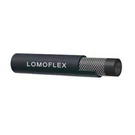
There are different types of LPG hoses available on the market, each designed for specific applications. Some hoses are made of rubber, while others are made of synthetic materials. It's important to choose the right hose for your appliance to ensure a proper fit and safe operation. You can check out our Lpg Hose options to find the one that suits your needs.
Preparing for the Connection
Once you've selected the right LPG hose for your appliance, it's time to prepare for the connection. Here are some steps to follow:
- Inspect the Hose: Before connecting the hose, carefully inspect it for any signs of damage, such as cracks, cuts, or leaks. If you notice any damage, do not use the hose and replace it immediately.
- Check the Appliance: Make sure the appliance is turned off and disconnected from the power source. This will prevent any accidental ignition of the gas.
- Clean the Connections: Use a clean cloth to wipe the connections on the appliance and the LPG cylinder. This will remove any dirt or debris that could prevent a proper seal.
- Apply Thread Sealant: If required, apply a small amount of thread sealant to the threads of the hose connections. This will help to create a tight seal and prevent leaks.
Making the Connection
Now that you've prepared the hose and the appliance, it's time to make the connection. Here's how to do it:
- Attach the Hose to the Appliance: Carefully insert the end of the hose into the connection on the appliance. Make sure the hose is fully inserted and that the connection is tight.
- Attach the Hose to the LPG Cylinder: Next, attach the other end of the hose to the valve on the LPG cylinder. Use a wrench to tighten the connection, but be careful not to over-tighten it.
- Check for Leaks: Once the hose is connected, it's important to check for leaks. You can do this by applying a soapy water solution to the connections. If you see bubbles forming, there is a leak. In this case, turn off the gas supply and tighten the connection further or replace the hose.
- Test the Appliance: After checking for leaks, turn on the gas supply and test the appliance. Make sure it is working properly and that there are no signs of leaks or other problems.
Maintaining the Connection
Once you've successfully connected the LPG hose to the appliance, it's important to maintain the connection to ensure its continued safety and efficiency. Here are some tips to help you do this:
- Regularly Inspect the Hose: Check the hose regularly for any signs of damage or wear. Replace the hose if you notice any problems.
- Keep the Connections Clean: Keep the connections on the hose and the appliance clean and free of dirt and debris. This will help to prevent leaks and ensure a proper seal.
- Store the Hose Properly: When not in use, store the hose in a cool, dry place. Avoid exposing it to direct sunlight or extreme temperatures, as this can damage the hose.
- Follow the Manufacturer's Instructions: Always follow the manufacturer's instructions for using and maintaining the LPG hose and the appliance. This will help to ensure its safe and proper operation.
Other Types of Hoses
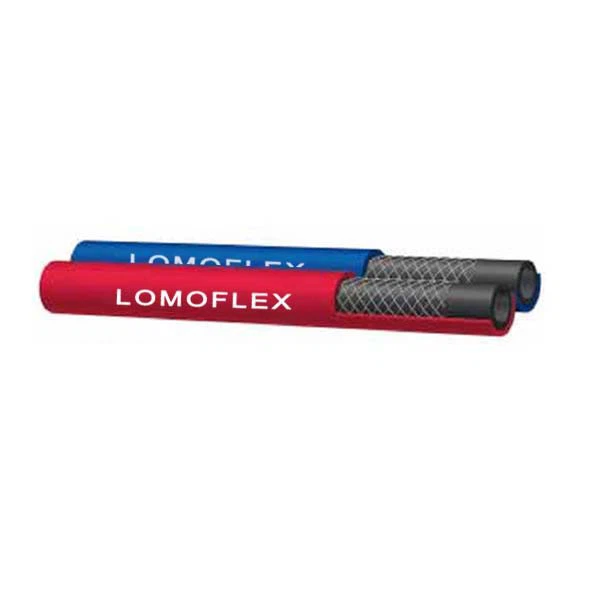
In addition to LPG hoses, we also offer a variety of other types of hoses for different applications. For example, our Twin Welding Hose is designed for use in welding and cutting applications, while our Fuel Oil Hose is suitable for transferring fuel oil. If you have any specific requirements, feel free to explore our product range.

Conclusion
Ensuring the proper connection of an LPG hose to an appliance is essential for safety and efficiency. By following the steps outlined in this blog, you can make sure your LPG hose is connected correctly every time. Remember to always inspect the hose, clean the connections, and check for leaks before using the appliance. If you have any questions or need further assistance, don't hesitate to reach out to us. We're here to help you find the right LPG hose for your needs and ensure a safe and reliable connection. Whether you're a homeowner, a business owner, or a professional installer, we have the products and expertise to meet your requirements. So, if you're in the market for an LPG hose or any other type of industrial hose, get in touch with us today to start the procurement discussion.
References
- General knowledge and experience in the LPG hose industry.
- Manufacturer's guidelines for LPG hoses and appliances.