

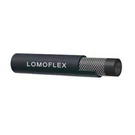
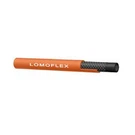


Hey there! As a supplier of oxygen acetylene hoses, I often get asked about how long these hoses can last under normal use. It's a crucial question, especially for those in industries that rely on these hoses daily, like welding and metal fabrication. In this blog, I'll dive deep into the factors that affect the lifespan of an oxygen acetylene hose and give you a ballpark estimate of how long you can expect yours to last.


First off, let's talk about what oxygen acetylene hoses are and what they're used for. These hoses are designed to carry oxygen and acetylene gases from their respective cylinders to a welding or cutting torch. They need to be durable and reliable because any failure can lead to serious safety hazards. Oxygen is a highly reactive gas that supports combustion, and acetylene is a flammable gas. If there's a leak in the hose, it could result in a fire or explosion.
Now, the lifespan of an oxygen acetylene hose can vary widely depending on several factors. One of the most important factors is the quality of the hose itself. Higher - quality hoses are usually made from better materials and are more resistant to wear and tear. They're designed to withstand the pressure of the gases flowing through them and are less likely to develop cracks or leaks.
Another factor is the environment in which the hose is used. If the hose is constantly exposed to extreme temperatures, chemicals, or abrasive materials, its lifespan will be significantly reduced. For example, if the hose is used in a hot and humid environment, the rubber or synthetic materials it's made of can start to degrade more quickly. On the other hand, if it's used in a clean, dry, and temperate environment, it will last longer.
The frequency of use also plays a big role. A hose that's used every day for long periods will naturally wear out faster than one that's used only occasionally. Every time the hose is bent, twisted, or connected and disconnected from the cylinders and torch, it experiences stress. Over time, this stress can cause the hose to weaken and eventually fail.
Let's start with the best - case scenario. If you're using a high - quality oxygen acetylene hose in a clean, dry, and temperate environment and only using it occasionally, you can expect it to last anywhere from 5 to 10 years. These hoses are made with top - notch materials that are resistant to the elements and the pressure of the gases. They're also less likely to be damaged during normal handling.
However, in a more typical industrial setting where the hose is used daily, the lifespan is usually around 2 to 5 years. The constant bending, twisting, and exposure to various conditions take their toll on the hose. Workers might accidentally drag the hose across rough surfaces or expose it to chemicals, which can all contribute to its deterioration.
If the hose is used in a harsh environment, such as a construction site where it's exposed to dirt, dust, and extreme temperatures, its lifespan can be as short as 1 to 2 years. In these conditions, the hose is more likely to develop cracks, leaks, or other forms of damage.
To extend the lifespan of your oxygen acetylene hose, there are a few things you can do. First, make sure to store the hose properly when it's not in use. Keep it in a cool, dry place away from direct sunlight and chemicals. Avoid coiling the hose too tightly, as this can cause kinks and damage the internal structure of the hose.
Regular inspection is also crucial. Check the hose for any signs of wear, such as cracks, cuts, or bulges. If you notice any damage, replace the hose immediately. It's better to be safe than sorry when it comes to working with oxygen and acetylene gases.
When it comes to choosing an oxygen acetylene hose, it's important to consider your specific needs. There are different types of hoses available, each with its own set of features and benefits. Some hoses are designed for high - pressure applications, while others are more flexible and easier to handle.
If you're in the market for other types of industrial hoses, we also offer a wide range of options. For example, we have Fuel Oil Hose, which is designed to handle the transfer of fuel oil safely and efficiently. Our Rubber Water Hose is perfect for watering applications and can withstand the pressure of water flow. And if you need a hose for LPG, our Lpg Hose is a reliable choice.
In conclusion, the lifespan of an oxygen acetylene hose under normal use can vary from 1 to 10 years, depending on factors like quality, environment, and frequency of use. By taking proper care of your hose and inspecting it regularly, you can ensure that it lasts as long as possible and keeps you safe while you work.
If you're interested in purchasing high - quality oxygen acetylene hoses or any of our other industrial hoses, don't hesitate to reach out. We're here to help you find the right hose for your needs and can provide you with all the information you need to make an informed decision.
References
- Industrial Hose Handbook: A guide to understanding the properties and usage of different types of industrial hoses.
- Safety Standards for Oxygen and Acetylene Equipment: Documents that outline the safety requirements and best practices for using oxygen acetylene hoses.