

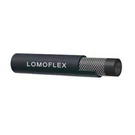
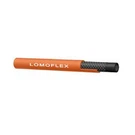


Hey there! As a supplier of suction and discharge water hoses, I've seen firsthand the many perks of using a lightweight option. In this blog, I'm gonna break down the benefits that make these hoses a great choice for various applications.
Easier Handling
One of the most obvious benefits of a lightweight suction and discharge water hose is how easy it is to handle. Whether you're a professional in the field or a DIY enthusiast, lugging around a heavy hose can be a real pain. A lightweight hose, on the other hand, can be moved and maneuvered with much less effort.
Imagine you're working on a large garden irrigation project. You need to move the hose around different areas of the garden, connect it to various sprinklers, and maybe even lift it over some obstacles. A heavy hose would make this task a real chore, but a lightweight one allows you to get the job done quickly and with less physical strain. This is especially important for those who have to work with the hose for extended periods. You won't end up feeling exhausted just from moving the hose around, and you can focus on the actual task at hand.
Portability
Lightweight hoses are also incredibly portable. If you need to take your hose on the go, for example, for a camping trip or to a remote job site, a heavy hose would be a burden to transport. But a lightweight suction and discharge water hose can be easily rolled up and carried in the trunk of your car or on a backpack.
Let's say you're a farmer who needs to irrigate different fields on your property. You can simply pick up your lightweight hose, load it into your tractor or truck, and take it to the next field. It doesn't take up much space, and you don't need any special equipment to move it. This portability makes it a versatile tool that can be used in a variety of situations.
Reduced Installation Time
When it comes to installing a suction and discharge water hose, a lightweight option can save you a lot of time. Since it's easier to handle, you can quickly position the hose where you need it. You don't have to struggle with getting a heavy hose into place, which often requires multiple people or special lifting equipment.
For instance, if you're installing a hose for a pool filtration system, a lightweight hose can be connected to the pump and the pool in a matter of minutes. You can easily bend and shape the hose to fit around corners and through tight spaces. This reduced installation time means you can get your system up and running faster, which is especially important in commercial or industrial settings where downtime can cost a lot of money.
Cost - Efficiency
Lightweight hoses are generally more cost - efficient in the long run. They typically require less energy to move and operate because they're lighter. This can result in lower fuel or electricity costs, especially if you're using a pump to move water through the hose.
Moreover, since they're easier to handle and install, you may save on labor costs. You don't need to hire as many people or use expensive equipment to work with the hose. And because they're often made from durable materials despite their light weight, they have a long lifespan. This means you won't have to replace the hose as often, which also saves you money in the long term.


Flexibility
Lightweight suction and discharge water hoses are usually very flexible. They can bend and twist easily, allowing you to use them in a wide range of applications. Whether you need to connect two pieces of equipment that are at odd angles or run the hose around obstacles, a flexible hose can get the job done.
For example, in a construction site, you may need to use the hose to transfer water from a storage tank to a mixer that's located in a confined space. A flexible, lightweight hose can be easily routed around other equipment and structures to reach the mixer. This flexibility also makes the hose less likely to kink, which can restrict water flow and damage the hose over time.
Safety
Safety is a crucial factor when working with any equipment, and lightweight hoses offer some safety advantages. Since they're easier to handle, there's less risk of injury from lifting or moving a heavy object. Workers are less likely to strain their backs or shoulders when using a lightweight hose.
Also, because they're less likely to kink or break, there's a reduced risk of water leaks. Water leaks can create slippery surfaces, which can lead to slips, trips, and falls. By using a lightweight, reliable hose, you can minimize these safety hazards in your workplace.
Compatibility
Lightweight suction and discharge water hoses are often compatible with a wide range of connectors and fittings. This means you can easily connect them to different types of pumps, valves, and other equipment. Whether you're using a small residential pump or a large industrial one, you can find the right fittings to attach the hose.
You can check out our Suction and Discharge Water Hose for a variety of options that are designed to be compatible with different systems. And if you're dealing with oil instead of water, we also have Suction and Discharge Oil Hose that offers similar benefits in oil - related applications.
Conclusion
In conclusion, the benefits of using a lightweight suction and discharge water hose are numerous. From easier handling and portability to cost - efficiency and safety, these hoses are a great choice for both residential and commercial applications. Whether you're a homeowner looking to water your garden or an industrial operator in need of a reliable water transfer solution, a lightweight hose can meet your needs.
If you're interested in learning more about our lightweight suction and discharge water hoses or are looking to make a purchase, feel free to reach out. We're here to discuss your specific requirements and help you find the perfect hose for your project. Let's start a conversation and see how we can help you with your water - handling needs!
References
- Industry standards and guidelines for suction and discharge hoses.
- Manufacturer's specifications for lightweight hoses.
- Customer feedback and case studies on the use of lightweight hoses.