





Hey there! As a supplier of oxygen acetylene hoses, I've seen firsthand the importance of safety when it comes to using these essential tools. Oxygen acetylene hoses are commonly used in welding, cutting, and other industrial applications, and ensuring their safe use is crucial for both the operators and the surrounding environment. In this blog post, I'll share some tips on how to ensure the safety of using an oxygen acetylene hose.
1. Choose the Right Hose
First things first, you need to pick the right oxygen acetylene hose for your job. There are different types and sizes available, and using the wrong one can lead to all sorts of problems. Look for hoses that are specifically designed for oxygen and acetylene use. These hoses are made from materials that can withstand the high pressures and chemical properties of these gases.
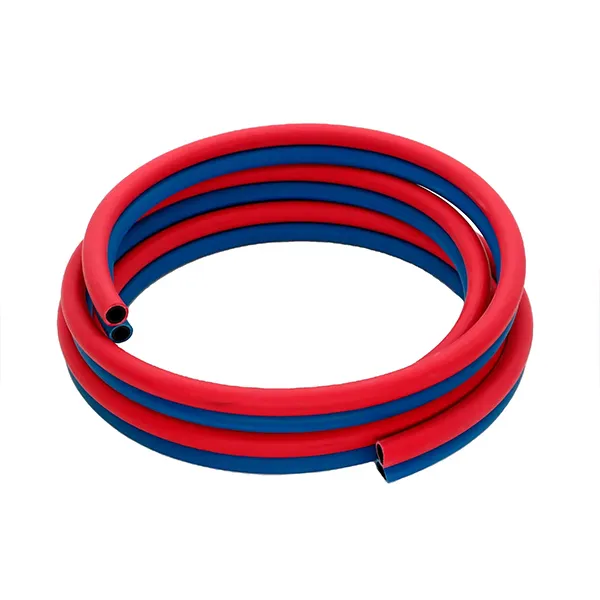
For example, Twin Welding Hose is a popular choice for many welding applications. It combines both the oxygen and acetylene hoses into one unit, making it more convenient and reducing the risk of entanglement.
2. Inspect the Hose Regularly
Before each use, give your oxygen acetylene hose a thorough inspection. Check for any signs of damage, such as cuts, abrasions, cracks, or bulges. Even a small nick can compromise the integrity of the hose and lead to gas leaks.
If you notice any damage, don't use the hose. Replace it immediately with a new one. Also, check the connections at both ends of the hose. Make sure they are tight and free of any debris or corrosion. Loose connections can cause gas leaks, which are extremely dangerous.
3. Store the Hose Properly
When you're not using the oxygen acetylene hose, store it correctly. Keep it in a cool, dry place away from direct sunlight, heat sources, and sharp objects. Exposure to extreme temperatures and sunlight can degrade the hose material over time.
Coil the hose neatly and avoid kinking it. Kinks can restrict the flow of gas and cause pressure buildup, increasing the risk of a hose rupture. You can use a hose reel or a storage rack to keep the hose organized and protected.
4. Use the Hose in a Well - Ventilated Area
Oxygen and acetylene are both flammable and potentially explosive gases. Using the hose in a well - ventilated area is essential to prevent the accumulation of gas vapors. In a confined space, a small gas leak can quickly lead to a dangerous concentration of gases, increasing the risk of fire or explosion.
When working indoors, make sure there is adequate ventilation, such as exhaust fans or open windows. If you're working outdoors, choose an area away from any potential ignition sources, like open flames or electrical equipment.

5. Follow the Correct Operating Procedures
It's crucial to follow the correct operating procedures when using an oxygen acetylene hose. Here are some key steps:
- Open the Valves Slowly: When turning on the oxygen and acetylene cylinders, open the valves slowly. This helps to prevent sudden pressure surges that can damage the hose and the equipment.
- Light the Flame Properly: Use a proper spark lighter to ignite the flame. Never use matches or other makeshift ignition sources.
- Adjust the Flame Correctly: Make sure to adjust the flame to the appropriate setting for your task. An improper flame can cause incomplete combustion and increase the risk of carbon monoxide production.
6. Train Your Operators
If you have a team using the oxygen acetylene hoses, make sure they are properly trained. Training should cover all aspects of hose safety, including inspection, storage, and operation. Untrained operators are more likely to make mistakes that can lead to accidents.
Provide regular refresher courses to keep the operators updated on the latest safety procedures. Encourage them to report any issues or concerns they notice with the hose immediately.
7. Be Aware of Compatibility
Oxygen and acetylene are reactive gases, and they should never come into contact with certain substances. For example, oil and grease can react violently with oxygen, causing a fire or explosion. Make sure that the hose, connectors, and all related equipment are free from any oil or grease contamination.
Also, be careful when using other types of hoses in the vicinity. For instance, Lpg Hose is designed for liquefied petroleum gas and is not suitable for oxygen and acetylene use.
8. Have Safety Equipment on Hand
Always have appropriate safety equipment on hand when using an oxygen acetylene hose. This includes fire extinguishers, safety goggles, gloves, and flame - resistant clothing. In case of an emergency, these items can help to minimize the damage and protect the operators.
Make sure the fire extinguisher is rated for use with flammable gases and that all safety equipment is in good working condition.
9. Maintain the Hose Properly
Regular maintenance of the oxygen acetylene hose is essential for its long - term safety and performance. This includes cleaning the hose periodically to remove any dirt or debris that may have accumulated. You can use a mild detergent and water to clean the hose, but make sure it is completely dry before using it again.
Also, lubricate the connections as recommended by the manufacturer. This helps to ensure a tight seal and prevents corrosion.
10. Consider Using Additional Safety Features
Some oxygen acetylene hoses come with additional safety features, such as flame arrestors. A flame arrestor is a device that prevents the flame from traveling back into the hose and causing an explosion. Consider using hoses with these safety features to add an extra layer of protection.
As a supplier of oxygen acetylene hoses, I understand that safety is your top priority. That's why we offer high - quality hoses that meet all the necessary safety standards. If you're in the market for a reliable oxygen acetylene hose or other related products like Rubber Air Hose, we're here to help.
Whether you're a small - scale workshop or a large industrial operation, we can provide you with the right hoses and equipment for your needs. Don't hesitate to reach out if you have any questions or if you're interested in discussing a purchase. We're happy to have a chat and find the best solutions for you.
References
- American Welding Society (AWS). Welding Safety and Health Handbook.
- Occupational Safety and Health Administration (OSHA). Standards for Welding and Cutting.