

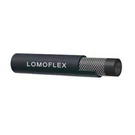
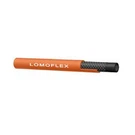


Ensuring a tight connection between SAE100R1AT hydraulic hoses and fittings is crucial for the safe and efficient operation of hydraulic systems. As a trusted SAE100R1AT supplier, I understand the significance of this connection and have extensive experience in providing solutions to ensure its reliability. In this blog post, I will share some key strategies and best practices to help you achieve a tight and secure connection between SAE100R1AT hoses and fittings.
Understanding SAE100R1AT Hoses and Fittings
Before delving into the methods of ensuring a tight connection, it's important to have a basic understanding of SAE100R1AT hoses and fittings. SAE100R1AT is a type of hydraulic hose designed for general-purpose applications. It is a single-wire braid hose that offers good flexibility and moderate pressure ratings. The fittings, on the other hand, are used to connect the hoses to various components in the hydraulic system, such as pumps, valves, and cylinders.
Selecting the Right Fittings
One of the first steps in ensuring a tight connection is selecting the right fittings for your SAE100R1AT hoses. The fittings should be compatible with the hose in terms of size, material, and pressure rating. Here are some factors to consider when choosing fittings:


- Size Compatibility: The fitting size should match the hose size. This ensures a proper fit and prevents leaks. Most SAE100R1AT hoses are available in standard sizes, and the fittings should be selected accordingly.
- Material Compatibility: The material of the fitting should be compatible with the hose material. For SAE100R1AT hoses, fittings made of materials such as steel or stainless steel are commonly used. These materials offer good corrosion resistance and strength.
- Pressure Rating: The pressure rating of the fitting should be equal to or higher than the pressure rating of the hose. This ensures that the fitting can withstand the pressure in the hydraulic system without failing.
Proper Installation Techniques
Once you have selected the right fittings, the next step is to install them correctly. Proper installation is essential for achieving a tight connection and preventing leaks. Here are some installation techniques to follow:
- Cutting the Hose: Use a sharp hose cutter to cut the SAE100R1AT hose to the desired length. Make sure the cut is clean and perpendicular to the hose axis. A jagged or uneven cut can affect the fit of the fitting and lead to leaks.
- Preparing the Hose End: Before installing the fitting, clean the hose end to remove any dirt, debris, or oil. This helps to ensure a good seal between the hose and the fitting. You can use a clean cloth or a solvent to clean the hose end.
- Installing the Fitting: Follow the manufacturer's instructions for installing the fitting. In general, the fitting should be installed using a crimping tool or a swaging machine. The crimping or swaging process compresses the fitting onto the hose, creating a tight seal. Make sure to apply the correct amount of force during the installation process to ensure a proper fit.
- Checking the Connection: After installing the fitting, check the connection for tightness. You can do this by visually inspecting the connection and looking for any signs of leaks. You can also use a pressure test to check the integrity of the connection.
Using Sealants and Gaskets
In some cases, using sealants or gaskets can help to improve the tightness of the connection between SAE100R1AT hoses and fittings. Sealants are used to fill any gaps or voids between the hose and the fitting, while gaskets are used to provide a physical barrier between the two components. Here are some tips for using sealants and gaskets:
- Selecting the Right Sealant: Choose a sealant that is compatible with the hose and fitting materials. There are different types of sealants available, such as anaerobic sealants, silicone sealants, and Teflon tape. Make sure to select the sealant that is appropriate for your application.
- Applying the Sealant: Apply the sealant to the hose end or the fitting according to the manufacturer's instructions. Make sure to apply the sealant evenly and avoid getting it inside the hose.
- Using Gaskets: If using gaskets, make sure to select the right size and material. Gaskets should be installed between the hose and the fitting to provide a tight seal. Make sure to align the gasket properly and apply the correct amount of pressure during installation.
Regular Inspection and Maintenance
Even after achieving a tight connection, it's important to regularly inspect and maintain the SAE100R1AT hoses and fittings to ensure their continued performance. Here are some inspection and maintenance tips:
- Visual Inspection: Regularly inspect the hoses and fittings for any signs of damage, such as cracks, cuts, or leaks. If you notice any damage, replace the affected component immediately.
- Pressure Testing: Periodically perform pressure tests on the hydraulic system to check the integrity of the connections. This helps to detect any potential leaks or weaknesses in the system.
- Cleaning and Lubrication: Keep the hoses and fittings clean and lubricated to prevent corrosion and wear. You can use a clean cloth or a solvent to clean the components, and a lubricant to prevent friction.
Conclusion
Ensuring a tight connection between SAE100R1AT hoses and fittings is essential for the safe and efficient operation of hydraulic systems. By selecting the right fittings, following proper installation techniques, using sealants and gaskets, and performing regular inspection and maintenance, you can achieve a reliable and leak-free connection. As a SAE100R1AT supplier, I am committed to providing high-quality products and expert advice to help you ensure the tight connection of your hydraulic hoses and fittings.
If you are interested in purchasing SAE100R1AT hoses or fittings, or if you have any questions or concerns about ensuring a tight connection, please feel free to [contact us for procurement negotiation]. We look forward to serving you and helping you meet your hydraulic system needs.
References
- Hydraulic Hose Fitting Installation Guide. Manufacturer's Manual.
- SAE J517 Standard for Hydraulic Hose Assemblies. Society of Automotive Engineers.
- Best Practices for Hydraulic System Maintenance. Industry Publication.