

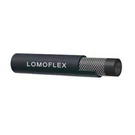
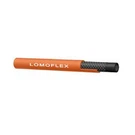


Hey there! As a supplier of rubber water hoses, I often get asked about the difference between single-ply and multi-ply rubber water hoses. So, I thought I'd take a few minutes to break it down for you.
What's a Single-Ply Rubber Water Hose?
A single-ply rubber water hose is, well, just what it sounds like – it's made up of a single layer of rubber. This type of hose is usually pretty lightweight and flexible. It's great for simple, everyday tasks around the house or garden. For example, if you're just watering your plants or washing your car, a single-ply hose can do the job just fine.
One of the big advantages of a single-ply hose is its cost. Since it has only one layer of rubber, it's generally cheaper to produce, which means you can get it at a lower price. It's also easier to handle because it's lighter. You can easily coil it up and store it away when you're done using it.


However, single-ply hoses do have their limitations. They're not as durable as multi-ply hoses. The single layer of rubber can be more prone to punctures and leaks. If you accidentally run over it with a lawnmower or if it gets caught on a sharp object, there's a good chance it'll start to leak. Also, they may not be able to handle high water pressures very well. If you're using a hose with a high-pressure nozzle or a pressure washer, a single-ply hose might not hold up.
What about Multi-Ply Rubber Water Hoses?
Multi-ply rubber water hoses, on the other hand, are made up of multiple layers of rubber. These layers are usually reinforced with materials like polyester or nylon. This makes the hose much stronger and more durable.
One of the main benefits of a multi-ply hose is its ability to handle high water pressures. If you're using a hose for industrial applications or if you have a high-pressure water system at home, a multi-ply hose is the way to go. It can withstand the pressure without bursting or leaking.
Multi-ply hoses are also more resistant to punctures and abrasions. The multiple layers of rubber and reinforcement materials provide an extra layer of protection. So, even if it gets banged around a bit or comes into contact with sharp objects, it's less likely to get damaged.
Another advantage of multi-ply hoses is their longevity. They tend to last much longer than single-ply hoses. This means you won't have to replace them as often, which can save you money in the long run.
However, multi-ply hoses do have some drawbacks. They're usually heavier and less flexible than single-ply hoses. This can make them a bit more difficult to handle, especially if you're using them for long periods of time. They're also more expensive because of the additional materials and manufacturing processes involved.
Which One Should You Choose?
The choice between a single-ply and a multi-ply rubber water hose really depends on your specific needs. If you're just using the hose for light, occasional tasks around the house or garden, a single-ply hose should be sufficient. It's affordable, lightweight, and easy to handle.
But if you need a hose for more heavy-duty applications, such as industrial use or high-pressure water systems, a multi-ply hose is the better option. It's more durable, can handle higher pressures, and will last longer.
Other Types of Rubber Hoses
In addition to single-ply and multi-ply rubber water hoses, there are other types of rubber hoses available. For example, Oxygen Acetylene Hose is designed for use in welding and cutting applications. It's made to withstand the high temperatures and pressures associated with these processes.
Lpg Hose is used for transporting liquefied petroleum gas (LPG). It's specially designed to be resistant to the chemicals and gases in LPG.
If you're interested in learning more about rubber water hoses, you can check out our Rubber Water Hose page on our website.
Let's Talk Business
If you're in the market for a rubber water hose, whether it's a single-ply or multi-ply hose, I'd love to help you find the right one for your needs. We offer a wide range of high-quality rubber hoses at competitive prices. Our team of experts can answer any questions you have and provide you with the best advice.
So, if you're ready to make a purchase or just want to learn more, don't hesitate to reach out. Let's start a conversation and see how we can work together to meet your rubber hose needs.
References
- "Industrial Hoses: A Guide to Selection and Use" by Hose Manufacturer's Association
- "Rubber Hose Technology" by Rubber Manufacturers Association