

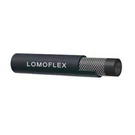
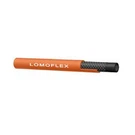


Hey there! I'm a supplier of rubber water hoses, and I've seen firsthand how important it is to know how to install one properly on a pressure pump. In this blog, I'll walk you through the whole process, step by step. Whether you're a DIY enthusiast or just looking to save some money on installation costs, this guide is for you.
What You'll Need
Before you start, you'll need to gather a few tools and materials. Here's a list of what you'll typically need:
- Rubber Water Hose: You can find a great selection of Rubber Water Hose on our website. Make sure to choose the right size and length for your pressure pump.
- Pipe Wrench: This will be used to tighten the hose connections.
- Teflon Tape: Helps to create a tight seal between the hose and the pump.
- Safety Gloves: To protect your hands during the installation process.
- Measuring Tape: To ensure you cut the hose to the correct length if needed.
Step 1: Prepare the Pressure Pump
The first thing you need to do is turn off the pressure pump and unplug it from the power source. This is a crucial safety step to prevent any accidents. Once it's off, locate the outlet port on the pump where you'll be attaching the hose. This port is usually marked or easy to identify.
Next, clean the outlet port thoroughly. Remove any dirt, debris, or old sealant that might be present. A clean port will ensure a better seal and prevent leaks. You can use a clean cloth or a small brush to do this.
Step 2: Measure and Cut the Hose (if necessary)
If the rubber water hose you have is longer than you need, you'll need to cut it to the appropriate length. Use a measuring tape to measure the distance from the pump outlet port to the destination where you'll be using the water. Add a little extra length to account for any bends or curves in the hose.


Once you've measured the length, use a sharp utility knife to cut the hose. Make sure to cut it straight across for a clean edge. This will make it easier to attach the hose to the pump and other fittings.
Step 3: Apply Teflon Tape
Take the Teflon tape and wrap it around the threads of the pump outlet port. Start at the base of the threads and wrap the tape in a clockwise direction. Make sure to wrap it tightly and evenly, covering all the threads. You should wrap the tape about 3 - 4 times. The Teflon tape acts as a sealant and helps to prevent water from leaking out of the connection.
Step 4: Attach the Hose to the Pressure Pump
Now it's time to attach the rubber water hose to the pressure pump. Take the end of the hose and align it with the pump outlet port. Carefully screw the hose onto the port by hand, turning it clockwise. Make sure it starts to thread on smoothly.
Once it's hand - tight, use a pipe wrench to give it an extra turn or two. Be careful not to over - tighten, as this can damage the threads or the hose. You just want to make sure the connection is secure.
Step 5: Check for Leaks
After attaching the hose, turn the pressure pump back on and let it run for a few minutes. Check the connection between the hose and the pump for any signs of leaks. Look for water dripping or spraying from the connection. If you see any leaks, turn off the pump immediately and tighten the connection a little more using the pipe wrench.
If the leak persists, you may need to remove the hose, re - apply the Teflon tape, and re - attach the hose. Sometimes, a small adjustment can make a big difference.
Other Considerations
- Using Fittings: If you need to connect the hose to other components, such as a nozzle or a sprinkler system, make sure to use the appropriate fittings. You can find a variety of fittings at your local hardware store. Just follow the same steps of applying Teflon tape and tightening the connections.
- Hose Storage: When you're not using the rubber water hose, make sure to store it properly. Coil it up neatly and store it in a cool, dry place away from direct sunlight. This will help to extend the life of the hose.
Different Types of Rubber Hoses
As a rubber water hose supplier, we also offer other types of hoses, such as Lpg Hose and Fuel Oil Hose. These hoses are designed for specific applications and have different requirements for installation and use.
If you're working with an LPG hose, for example, it's crucial to follow strict safety guidelines. LPG is a flammable gas, so the installation must be done correctly to prevent any leaks or accidents. Similarly, fuel oil hoses need to be able to withstand the properties of fuel oil and be installed in a way that ensures no spills or leaks.
Contact Us for Your Hose Needs
If you're in the market for rubber water hoses or any other type of industrial hoses, we're here to help. We offer high - quality products at competitive prices. Whether you need a single hose for a small project or a large quantity for an industrial application, we can provide you with the right solution.
If you have any questions about our products, installation, or need advice on which hose is best for your needs, don't hesitate to reach out. We're always happy to assist you in making the right choice.
References
- "Handbook of Industrial Hoses" - A comprehensive guide on different types of hoses and their installation.
- Manufacturer's manuals for pressure pumps and rubber water hoses. These manuals often contain specific instructions and safety information.