

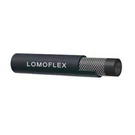


Hey there! As a supplier of textile braid hoses, I've seen firsthand the importance of getting the right hose for water conveyance. There are a bunch of things to think about when you're in the market for one of these hoses. Let's dive right in and talk about the key considerations.
Compatibility with Water
First off, you need to make sure the textile braid hose is compatible with water. Sounds obvious, right? But not all hoses are created equal. Some hoses are designed for specific types of fluids, and using the wrong one for water can lead to all sorts of problems.
The inner tube of the hose is the part that comes into direct contact with the water. It should be made from a material that won't react with the water or contaminate it. For most water - conveyance applications, a synthetic rubber or thermoplastic inner tube is a great choice. These materials are resistant to water, and they won't leach any harmful chemicals into the water.
Pressure Rating
Pressure is a big deal when it comes to water conveyance. You need to know the pressure at which the water will be flowing through the hose. Textile braid hoses come with different pressure ratings, and you've got to pick one that can handle the pressure of your system.
If the pressure in your water system is too high for the hose, it could burst. That's not only a safety hazard but also a huge mess to clean up. On the other hand, if you use a hose with a much higher pressure rating than you need, you're probably spending more money than you have to.
Let's say you're using the hose for a simple garden watering system. The pressure is likely to be relatively low, so you don't need a super - high - pressure hose. But if you're using it for a commercial water - jetting application, you'll need a hose with a much higher pressure rating.
Temperature Range
Water can come in all sorts of temperatures, from ice - cold to boiling hot. The textile braid hose you choose needs to be able to handle the temperature range of the water it will be carrying.
Extreme temperatures can affect the performance and lifespan of the hose. Cold water can make the hose material more brittle, increasing the risk of cracking. Hot water, on the other hand, can cause the material to expand and soften, which might lead to leaks or even a failure of the hose.
Before you buy a hose, check its temperature rating. Make sure it can handle the coldest and hottest water temperatures it will encounter in your application.
Hose Size
The size of the hose matters a lot. You've got to consider both the inner diameter and the outer diameter. The inner diameter affects the flow rate of the water. A larger inner diameter allows more water to flow through the hose at a given time, which is great if you need a high - volume water supply.
The outer diameter is important for things like installation and compatibility with fittings. You need to make sure the hose can fit into the space where it will be installed and that it can be properly connected to the other components of your water system.
If you're not sure what size hose you need, it's a good idea to measure the existing hoses in your system or consult with a professional.
Flexibility
Flexibility is another key consideration. A flexible hose is easier to install and maneuver around obstacles. It can also withstand bending and twisting without kinking, which is important for maintaining a steady flow of water.
However, you don't want a hose that's too flexible, as it might not be able to hold its shape under pressure. You need to find a balance between flexibility and stiffness.
Fittings and Connections
The fittings and connections on the textile braid hose are crucial. They need to be compatible with the other parts of your water system, such as pumps, valves, and nozzles.
Make sure the fittings are made from a durable material that won't corrode or rust when in contact with water. Also, check that they are properly installed and tightened to prevent leaks.
There are different types of fittings available, such as threaded fittings, quick - connect fittings, and compression fittings. Choose the type that's most suitable for your application.
Standards and Certifications
When you're buying a textile braid hose for water conveyance, it's a good idea to look for hoses that meet certain standards and certifications. These standards ensure that the hose has been tested and meets a certain level of quality and safety.
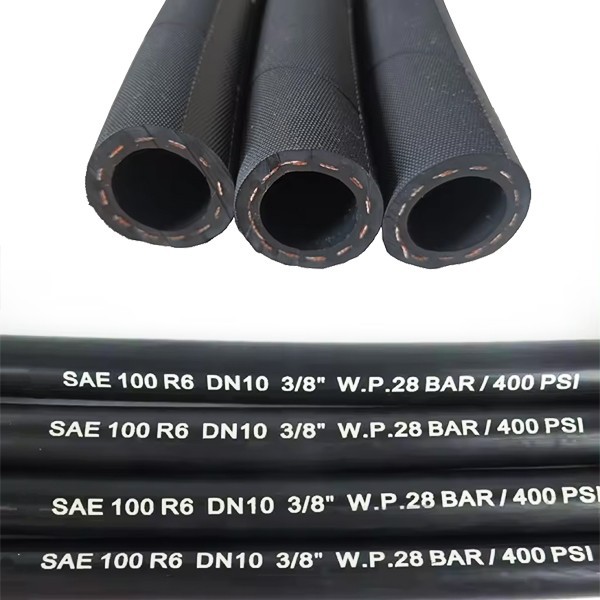
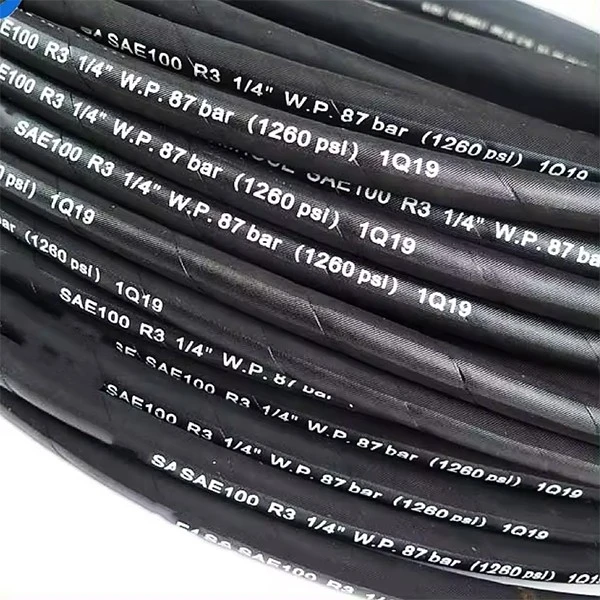
For example, you might want to consider hoses that meet the Din En854 1te Or Sae 100 R6 or Din En854 3te Or Sae 100 R3 standards. These standards are widely recognized in the industry and can give you peace of mind that you're getting a quality product.
Maintenance and Longevity
Finally, think about the maintenance and longevity of the hose. A high - quality textile braid hose should last a long time with proper care.
Regularly inspect the hose for signs of wear and tear, such as cracks, leaks, or abrasions. If you notice any problems, replace the hose as soon as possible to avoid more serious issues.
Also, store the hose properly when it's not in use. Keep it out of direct sunlight and extreme temperatures, as these can degrade the material over time.
So, there you have it - the main considerations when using a textile braid hose to convey water. If you're in the market for a textile braid hose for your water - conveyance needs, I'd love to help. Just reach out, and we can have a chat about finding the perfect hose for your application. Whether you're a homeowner with a simple garden hose need or a business with a complex water - handling system, I've got the expertise to assist you.
References
- Textile Braid Hose Industry Handbook
- Water Conveyance System Best Practices Guide