



As a supplier of wire spiral hoses, I've witnessed firsthand the importance of optimizing hose performance. In this blog, I'll share some practical tips and strategies to help you get the most out of your wire spiral hoses.
Understanding the Basics of Wire Spiral Hoses
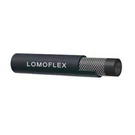
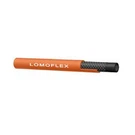
Before diving into optimization techniques, it's crucial to understand the basic structure and function of wire spiral hoses. These hoses typically consist of an inner tube, reinforcement layers made of spiral-wound wire, and an outer cover. The inner tube is designed to transport fluids, while the wire reinforcement provides strength and pressure resistance. The outer cover protects the hose from environmental factors such as abrasion, chemicals, and UV radiation.
Selecting the Right Hose for Your Application
One of the most important steps in optimizing hose performance is selecting the right hose for your specific application. Consider the following factors when choosing a wire spiral hose:
- Fluid Compatibility: Ensure that the inner tube material is compatible with the fluid being transported. Different fluids require different materials to prevent chemical reactions and degradation.
- Pressure Rating: Determine the maximum pressure that the hose will be subjected to and choose a hose with a pressure rating that exceeds this value. This ensures the safety and reliability of the hose.
- Temperature Range: Consider the temperature range of the fluid and the environment in which the hose will be used. Choose a hose that can withstand the maximum and minimum temperatures without losing its physical properties.
- Size and Length: Select the appropriate hose size and length based on the flow rate and the distance the fluid needs to travel. A hose that is too small or too long can result in increased pressure drop and reduced performance.
Proper Installation and Maintenance
Proper installation and maintenance are essential for optimizing the performance and lifespan of wire spiral hoses. Follow these guidelines to ensure correct installation:
- Cutting the Hose: Use a sharp cutting tool to ensure a clean and straight cut. Avoid crushing or damaging the wire reinforcement during the cutting process.
- Fitting Installation: Install the fittings correctly and ensure a tight seal. Use the appropriate torque specifications to prevent leaks.
- Routing the Hose: Route the hose in a way that avoids sharp bends, kinks, and excessive tension. This helps to prevent damage to the hose and ensures smooth fluid flow.
In addition to proper installation, regular maintenance is crucial for keeping the hose in good condition. Here are some maintenance tips:
- Inspection: Regularly inspect the hose for signs of wear, damage, or leakage. Look for cracks, cuts, bulges, or abrasions on the outer cover and the inner tube.
- Cleaning: Clean the hose regularly to remove dirt, debris, and contaminants. Use a mild detergent and water to clean the outer cover, and flush the inner tube with a suitable cleaning solution.
- Replacement: Replace the hose if it shows signs of significant wear or damage. It's better to replace the hose before it fails to prevent costly downtime and potential safety hazards.
Optimizing Hose Performance with Accessories
In addition to proper installation and maintenance, using the right accessories can also help to optimize the performance of wire spiral hoses. Here are some accessories that can enhance hose performance:
- Hose Clamps: Use high-quality hose clamps to secure the hose to the fittings. This helps to prevent leaks and ensures a tight seal.
- Protective Sleeves: Install protective sleeves on the hose to prevent abrasion, damage, and exposure to chemicals. This can extend the lifespan of the hose and improve its performance.
- Pressure Relief Valves: Install pressure relief valves to protect the hose from overpressure. This helps to prevent damage to the hose and ensures the safety of the system.
Case Studies: Real-World Examples of Hose Optimization
To illustrate the benefits of optimizing wire spiral hose performance, let's look at some real-world case studies:
- Case Study 1: Industrial Application A manufacturing company was experiencing frequent hose failures in their hydraulic system. After conducting a thorough analysis, they discovered that the hoses were not properly installed and were being subjected to excessive pressure. By replacing the hoses with high-quality wire spiral hoses and ensuring proper installation, they were able to reduce downtime and improve the overall performance of the system.
- Case Study 2: Agricultural Application A farmer was using wire spiral hoses to transport water from a well to his fields. The hoses were frequently damaged by abrasion and exposure to sunlight. By installing protective sleeves on the hoses and using high-quality fittings, the farmer was able to extend the lifespan of the hoses and reduce maintenance costs.
Conclusion
Optimizing the performance of wire spiral hoses is essential for ensuring the safety, reliability, and efficiency of your fluid transfer systems. By selecting the right hose for your application, installing it correctly, maintaining it regularly, and using the right accessories, you can maximize the lifespan and performance of your hoses.
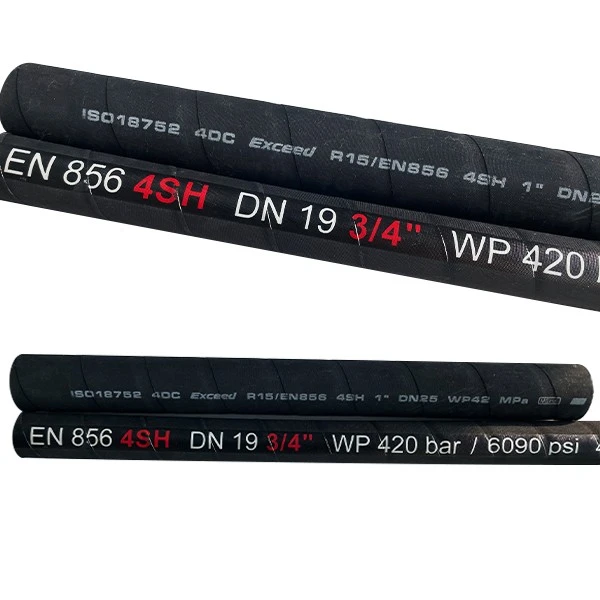

If you're interested in learning more about wire spiral hoses or need help selecting the right hose for your application, please contact us. We're a leading supplier of wire spiral hoses and can provide you with expert advice and high-quality products. You can explore our product range including Sae100 R13, Din En856 4sp, and Din En856 4sh. Let's start a conversation and find the best solution for your needs.
References
- "Hydraulic Hose Handbook," Parker Hannifin Corporation
- "Industrial Hoses: A Guide to Selection, Installation, and Maintenance," Gates Corporation
- "Fluid Power Technology," Eaton Corporation