



As a supplier of twin welding hoses, I've witnessed firsthand the challenges welders face, especially the issue of kinking in twin welding hoses. Kinking not only affects the efficiency of welding operations but can also pose safety risks. In this blog, I'll share some practical tips on how to prevent kinking in twin welding hoses.
Understanding the Causes of Kinking
Before we delve into prevention methods, it's essential to understand what causes kinking in twin welding hoses. One of the primary reasons is improper handling. When hoses are dragged across rough surfaces, stepped on, or twisted during use, they are more likely to kink. Another factor is the storage of hoses. If hoses are coiled too tightly or stored in a cramped space, they can develop permanent kinks over time. Additionally, the quality of the hose itself can play a role. Low - quality hoses may have less flexibility and be more prone to kinking.


Choosing the Right Twin Welding Hose
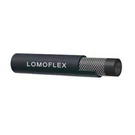
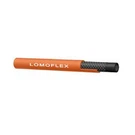
The first step in preventing kinking is to choose the right twin welding hose. At our company, we offer a wide range of Twin Welding Hose that are designed with high - quality materials to ensure maximum flexibility and durability. Look for hoses made from premium rubber compounds that can withstand bending and twisting without kinking easily.
The size of the hose also matters. A hose that is too small for the welding application may be more prone to kinking due to increased pressure. On the other hand, an oversized hose can be cumbersome and difficult to manage. Consult with our experts to determine the appropriate hose size for your specific welding needs.
Proper Handling Techniques
Proper handling is crucial in preventing kinking. When moving the twin welding hose, avoid dragging it across the floor. Instead, lift it and carry it carefully. If you need to move the hose over a long distance, use a hose reel or a hose carrier. These tools can help keep the hose organized and prevent it from getting tangled or kinked.
When connecting and disconnecting the hose, be gentle. Avoid pulling or yanking on the hose, as this can cause it to twist and kink. Make sure to align the connectors properly before tightening them to prevent any unnecessary stress on the hose.
During welding, try to keep the hose in a straight line as much as possible. If you need to bend the hose, do it gradually and avoid sharp bends. Sharp bends can create areas of high stress in the hose, leading to kinking.
Correct Storage Practices
Proper storage is another key factor in preventing kinking. When not in use, store the twin welding hose in a clean, dry place. Avoid storing it in direct sunlight or near sources of heat, as this can damage the rubber and make the hose more brittle and prone to kinking.
Coil the hose loosely and store it on a hose rack or a reel. Avoid coiling the hose too tightly, as this can cause permanent kinks. If you need to store the hose for an extended period, consider using a hose protector to keep it in good condition.
Regular Inspection and Maintenance
Regular inspection and maintenance of the twin welding hose can help prevent kinking and other issues. Inspect the hose regularly for signs of wear, damage, or kinking. If you notice any kinks, try to straighten them out gently. However, if the kink is severe or the hose is damaged, it may need to be replaced.
Clean the hose regularly to remove any dirt, debris, or welding spatter. Use a mild detergent and a soft brush to clean the hose, and then rinse it thoroughly with water. This can help keep the hose flexible and prevent it from becoming stiff and prone to kinking.
Using Hose Accessories
There are several hose accessories available that can help prevent kinking. For example, hose guards can be placed around the hose to protect it from abrasion and kinking. Hose guides can also be used to keep the hose in place and prevent it from getting tangled or kinked during use.
In addition, some hoses come with built - in anti - kink features, such as reinforced layers or special coatings. These features can help make the hose more resistant to kinking and improve its overall performance.
Training and Education
Finally, providing training and education to welders on proper hose handling and maintenance is essential. Make sure your welders understand the importance of preventing kinking and know how to handle and store the twin welding hose correctly. This can help reduce the risk of kinking and improve the efficiency and safety of your welding operations.
Conclusion
Preventing kinking in twin welding hoses is essential for the efficiency and safety of welding operations. By choosing the right hose, using proper handling and storage techniques, conducting regular inspections and maintenance, and using hose accessories, you can significantly reduce the risk of kinking. At our company, we are committed to providing high - quality Twin Welding Hose and other industrial hoses, such as Rubber Air Hose and Fuel Oil Hose. If you have any questions or need assistance with choosing the right hose for your needs, please feel free to contact us. We look forward to discussing your requirements and helping you find the best solutions for your welding applications.
References
- Welding Equipment Manufacturer's Association (WEMA) guidelines on hose safety and maintenance.
- Industry standards and best practices for handling and storing industrial hoses.