

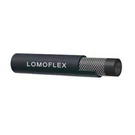



How to Protect Oxygen Acetylene Hoses from Sharp Objects
As a supplier of oxygen acetylene hoses, I understand the crucial role these hoses play in various industrial applications. Oxygen acetylene hoses are used in welding, cutting, and other processes where a reliable and safe supply of gases is essential. However, one of the significant challenges faced by users is protecting these hoses from sharp objects. In this blog post, I will share some practical tips and strategies to safeguard oxygen acetylene hoses from damage caused by sharp objects.
Understanding the Risks
Sharp objects pose a significant threat to oxygen acetylene hoses. A single puncture or cut can lead to gas leaks, which not only waste valuable resources but also pose serious safety hazards. Gas leaks can cause fires, explosions, and health risks to workers. Therefore, it is essential to take proactive measures to protect these hoses from sharp objects.
Selecting the Right Hose
The first step in protecting oxygen acetylene hoses from sharp objects is to choose the right hose. Look for hoses that are made of high-quality materials and have a thick, durable outer layer. Reinforced hoses are particularly effective in resisting punctures and cuts. Additionally, consider the specific requirements of your application, such as the pressure and temperature ratings, to ensure that the hose can withstand the conditions it will be exposed to.
Using Protective Covers
One of the most effective ways to protect oxygen acetylene hoses from sharp objects is to use protective covers. These covers are typically made of materials such as rubber, nylon, or metal and can be easily installed over the hose. Protective covers provide an extra layer of protection against cuts, abrasions, and punctures. They also help to prevent the hose from coming into direct contact with sharp objects, reducing the risk of damage.
Proper Storage and Handling
Proper storage and handling of oxygen acetylene hoses are also crucial in protecting them from sharp objects. When not in use, hoses should be stored in a clean, dry, and protected area. Avoid storing hoses near sharp objects or in areas where they may be subject to damage. Additionally, when handling hoses, be careful not to drag them across rough surfaces or sharp edges. Use appropriate lifting and carrying equipment to prevent damage to the hoses.
Inspecting Hoses Regularly
Regular inspection of oxygen acetylene hoses is essential to identify any signs of damage or wear. Inspect hoses before each use and look for any cuts, abrasions, or punctures. If any damage is found, the hose should be replaced immediately. Additionally, check the connections and fittings to ensure that they are secure and free from leaks.
Training and Education
Proper training and education of workers are also important in protecting oxygen acetylene hoses from sharp objects. Workers should be trained on the proper use, storage, and handling of hoses, as well as the potential risks associated with sharp objects. They should also be taught how to identify and report any signs of damage or wear.
Additional Tips
In addition to the above strategies, there are several other tips that can help to protect oxygen acetylene hoses from sharp objects:
- Use hose guards or sleeves to protect hoses in areas where they are likely to come into contact with sharp objects.
- Avoid using hoses in areas where there are sharp edges or protrusions.
- Use caution when working around sharp objects, such as tools or machinery.
- Keep hoses away from sources of heat and flames.
Conclusion
Protecting oxygen acetylene hoses from sharp objects is essential for ensuring the safety and reliability of industrial processes. By selecting the right hose, using protective covers, proper storage and handling, regular inspection, and training and education, you can significantly reduce the risk of damage to your hoses. As a supplier of oxygen acetylene hoses, I am committed to providing high-quality products and solutions to help you protect your hoses and ensure the safety of your workers.
If you are interested in purchasing oxygen acetylene hoses or have any questions about protecting them from sharp objects, please feel free to [contact us for procurement and negotiation]. We look forward to working with you to meet your industrial hose needs.


References
- "Industrial Hoses: A Guide to Selection and Use." American Society of Mechanical Engineers (ASME).
- "Safety Guidelines for Oxygen Acetylene Welding and Cutting." Occupational Safety and Health Administration (OSHA).
- "Rubber Hoses: Properties, Applications, and Testing." Rubber Manufacturers Association (RMA).