

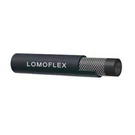
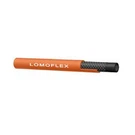


Hey there! As a supplier of suction and discharge hoses, I've seen firsthand how crucial it is to pick the right one for your needs. In this blog, I'll share some tips on how to make that choice.
Understanding Your Application
First things first, you need to understand what you'll be using the hose for. Are you dealing with liquids, gases, or solids? Different substances require different types of hoses. For example, if you're working with oil, you'll need a hose designed to handle the specific properties of oil. Check out our Suction and Discharge Oil Hose for a great option.
If it's water you're dealing with, a Suction and Discharge Water Hose is the way to go. These hoses are built to withstand the pressure and flow of water without leaking or breaking down.
Pressure and Flow Requirements
Another important factor to consider is the pressure and flow requirements of your application. You need to know how much pressure the hose will need to handle and what the flow rate will be. If the pressure is too high for the hose, it could burst, which is not only dangerous but also costly. On the other hand, if the flow rate is too high and the hose can't handle it, you'll experience a drop in performance.
To determine the right pressure and flow for your hose, you'll need to look at the specifications of your equipment. This might involve checking the pump or other machinery that will be connected to the hose. Make sure to choose a hose that can handle the maximum pressure and flow that your system will generate.
Hose Material
The material of the hose is also a key consideration. Different materials have different properties, such as chemical resistance, flexibility, and durability. For example, rubber hoses are known for their flexibility and resistance to abrasion, making them a popular choice for many applications. However, if you're dealing with chemicals, you might need a hose made of a more chemical-resistant material, like PVC or Teflon.
When choosing a hose material, think about the environment in which the hose will be used. If it will be exposed to extreme temperatures, sunlight, or harsh chemicals, you'll need a material that can withstand these conditions. Also, consider the lifespan of the material. You don't want to have to replace the hose too often, so choose a material that is durable and long-lasting.
Hose Size
The size of the hose is another important factor. You need to choose a hose with the right diameter and length for your application. If the diameter is too small, it can restrict the flow of the substance, causing a drop in performance. On the other hand, if the diameter is too large, it can be more difficult to handle and may not fit properly with your equipment.
The length of the hose is also important. You need to make sure that the hose is long enough to reach from the source to the destination, but not so long that it creates unnecessary drag or pressure drop. Measure the distance between the two points and choose a hose that is the appropriate length.


End Fittings
The end fittings of the hose are what connect it to your equipment. You need to choose the right type of end fittings to ensure a secure and leak-free connection. There are different types of end fittings available, such as threaded, cam and groove, and flanged.
When choosing end fittings, make sure they are compatible with your equipment and the type of hose you've chosen. You also need to consider the pressure and temperature ratings of the end fittings. They should be able to handle the same conditions as the hose.
Budget
Of course, budget is always a consideration. You want to get the best hose for your money, but you also don't want to overspend. When comparing hoses, look at the price, but also consider the quality and durability. A more expensive hose might last longer and perform better, which could save you money in the long run.
Brand and Reputation
Finally, consider the brand and reputation of the hose supplier. You want to work with a company that has a good track record of providing high-quality hoses and excellent customer service. Look for reviews and testimonials from other customers to get an idea of the company's reputation.
As a suction and discharge hose supplier, I can tell you that choosing the right hose is not always easy. But by considering these factors, you can make an informed decision and find the hose that's right for your needs.
If you're interested in purchasing suction and discharge hoses, I'd love to help you out. We offer a wide range of hoses to suit different applications and budgets. Just reach out to us, and we'll work with you to find the perfect solution for your needs.
References
- Industrial Hose Handbook
- Hose Manufacturer's Specifications