

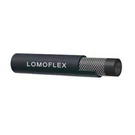
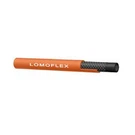


Hey there! As a supplier of twin welding hoses, I often get asked about how to test the integrity of these crucial pieces of equipment. In this blog post, I'll walk you through some practical steps to ensure your twin welding hoses are in top - notch condition.
First off, let's understand why it's so important to test the integrity of twin welding hoses. These hoses are used to transport gases like oxygen and acetylene in welding operations. A faulty hose can lead to gas leaks, which not only waste valuable resources but also pose serious safety risks, such as fires and explosions. So, regular testing is a must.
Visual Inspection
The first step in testing a twin welding hose is a simple visual check. Take a close look at the entire length of the hose. Look for any visible signs of damage, such as cuts, abrasions, cracks, or bulges. Cuts and abrasions can be caused by sharp objects or rough handling, while cracks may develop over time due to exposure to heat, chemicals, or general wear and tear. Bulges can indicate internal damage or a weakening of the hose structure.
If you spot any of these issues, it's best to replace the hose right away. Don't take any chances, as even a small defect can lead to big problems down the line. Also, check the fittings at both ends of the hose. Make sure they are securely attached and show no signs of corrosion or damage. Loose or damaged fittings can also cause gas leaks.
Pressure Testing
Once you've done the visual inspection, it's time for a pressure test. This is a more in - depth way to check the integrity of the hose. You'll need a pressure testing kit, which can be easily purchased from a welding supply store.


Before starting the pressure test, make sure the hose is properly connected to the testing equipment. Close all the valves to isolate the hose from the gas supply. Then, gradually increase the pressure in the hose to the recommended test pressure. This pressure is usually specified by the hose manufacturer and is typically higher than the normal operating pressure.
Keep an eye on the pressure gauge. If the pressure drops rapidly, it's a clear sign of a leak. You can use a soapy water solution to locate the leak. Apply the solution to the entire length of the hose, including the fittings. If you see bubbles forming, that's where the leak is. Mark the spot and replace the hose or repair the fitting as needed.
It's important to note that you should never exceed the maximum test pressure specified by the manufacturer. Over - pressurizing the hose can cause it to burst, which is extremely dangerous.
Gas Leak Detection
In addition to pressure testing, you can also use a gas leak detector to check for leaks. Gas leak detectors are sensitive devices that can detect even the smallest traces of gas. They work by detecting the presence of gas molecules in the air.
To use a gas leak detector, turn it on and hold it close to the hose, starting from one end and working your way to the other. Pay special attention to the fittings and any areas where you suspect a leak. If the detector beeps or shows a reading, there's a gas leak.
Gas leak detectors are a great tool, but they have their limitations. They can only detect leaks in the immediate vicinity of the detector. So, it's still a good idea to do a visual inspection and pressure test in addition to using a gas leak detector.
Flexibility and Bend Radius
Another aspect of testing the integrity of a twin welding hose is to check its flexibility and bend radius. A good quality hose should be flexible enough to be easily maneuvered during welding operations, but it should also maintain its shape and integrity when bent.
Check the manufacturer's specifications for the recommended bend radius. If you bend the hose beyond this radius, it can cause internal damage, such as kinking or collapsing of the inner tube. This can restrict the flow of gas and increase the risk of leaks.
To test the flexibility, gently bend the hose at various points along its length. It should bend smoothly without any signs of cracking or splitting. If you notice any stiffness or resistance, it could be a sign of damage or aging.
Compatibility Testing
When using twin welding hoses, it's crucial to ensure that they are compatible with the gases being used. Different gases have different properties, and using an incompatible hose can lead to chemical reactions, degradation of the hose material, and leaks.
Before using a new hose, check the manufacturer's guidelines to make sure it is suitable for the specific gases you'll be using. For example, oxygen and acetylene have different requirements, and using a hose designed for one gas with the other can be extremely dangerous.
Storage and Maintenance
Proper storage and maintenance of twin welding hoses can also affect their integrity. When not in use, store the hoses in a cool, dry place away from direct sunlight, heat sources, and chemicals. Exposure to these elements can cause the hose material to deteriorate over time.
Regularly clean the hoses to remove any dirt, debris, or contaminants. You can use a mild detergent and water solution to clean the outside of the hose. Make sure to dry the hose thoroughly before storing it.
In conclusion, testing the integrity of twin welding hoses is a multi - step process that involves visual inspection, pressure testing, gas leak detection, checking flexibility and bend radius, and ensuring compatibility. By following these steps regularly, you can ensure the safety and efficiency of your welding operations.
If you're in the market for high - quality twin welding hoses, we've got you covered. We offer a wide range of Twin Welding Hose that are designed to meet the highest standards of quality and safety. Our hoses are made from durable materials and are rigorously tested to ensure their integrity.
We also supply Lpg Hose and Oxygen Acetylene Hose for various industrial applications. If you have any questions or are interested in purchasing our products, feel free to reach out to us for a quote and start a procurement discussion.
References
- Welding Equipment Manufacturer's Association (WEMA) guidelines on hose testing.
- American National Standards Institute (ANSI) standards for welding hoses.
- Manufacturer's manuals for twin welding hoses.