



Hey there! As a supplier of SAE100 R5 hydraulic hoses, I often get asked if this type of hose is suitable for use in the textile industry. Well, let's dive right into it and find out.
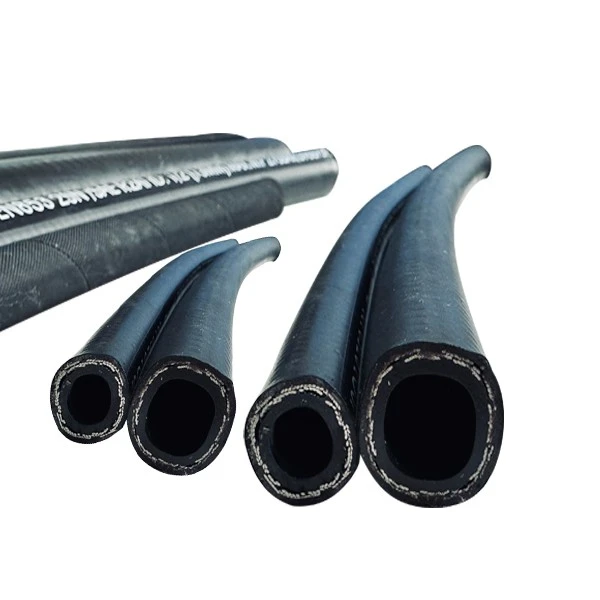

First off, let's talk a bit about what SAE100 R5 is. SAE100 R5 is a type of hydraulic hose that's designed for specific applications. You can check out more details about it on this Sae100 R5 page. It's a wire-braid reinforced hose, which gives it a certain level of strength and durability.
In the textile industry, there are a bunch of different processes and equipment that require reliable hydraulic systems. These systems are used for things like powering looms, controlling the movement of fabric handling equipment, and operating various other textile machinery.
One of the key factors to consider when determining if SAE100 R5 is suitable for the textile industry is its pressure rating. Textile machinery often operates at relatively low to medium pressures. SAE100 R5 hoses typically have a pressure rating that can handle these types of applications. They're designed to withstand the pressures commonly found in hydraulic systems used in textile manufacturing.
Another important aspect is the flexibility of the hose. In the textile industry, equipment may have moving parts and tight spaces. A flexible hose like SAE100 R5 can be easily routed around these components without causing any kinking or restrictions in the hydraulic flow. This flexibility ensures that the hydraulic system can operate smoothly and efficiently.
The compatibility of the hose with the hydraulic fluid used in the textile machinery is also crucial. SAE100 R5 hoses are generally compatible with a wide range of hydraulic fluids, including mineral oils, water-glycol mixtures, and synthetic fluids. This makes them a versatile option for different textile manufacturing setups.
Now, let's compare SAE100 R5 with some other common hydraulic hoses. For example, Din En853 1sn and Din En853 2sn are also wire-braid hoses. While they have their own advantages, SAE100 R5 may be a better fit for the textile industry in some cases.
Din En853 1sn and 2sn hoses are often used in more heavy-duty applications where higher pressures are involved. In the textile industry, where the pressure requirements are usually not as extreme, SAE100 R5 can provide a more cost-effective solution without sacrificing performance.
However, it's not all sunshine and rainbows. There are some potential drawbacks to using SAE100 R5 in the textile industry. One of the main concerns is its resistance to abrasion. Textile manufacturing environments can be quite rough, with fabric and other materials rubbing against the hoses. If the hoses are not properly protected, they may be prone to abrasion, which can lead to leaks and reduced lifespan.
To mitigate this issue, it's important to use proper protective measures, such as hose guards or sleeves. These can help prevent the hoses from coming into direct contact with abrasive materials and extend their service life.
Another consideration is the temperature range. Textile machinery may generate heat during operation, and the hydraulic hoses need to be able to withstand these elevated temperatures. SAE100 R5 hoses have a certain temperature range within which they can operate effectively. If the temperature in the textile manufacturing environment exceeds this range, it can affect the performance and integrity of the hoses.
So, is SAE100 R5 suitable for use in the textile industry? The answer is, it depends. In many cases, it can be a great option, especially for low to medium-pressure applications where flexibility and compatibility with hydraulic fluids are important. However, you need to take into account the specific requirements of your textile machinery and the operating environment.
If you're in the textile industry and are considering using SAE100 R5 hoses for your hydraulic systems, I'd be more than happy to help. As a supplier, I have a lot of experience in providing high-quality SAE100 R5 hoses that are suitable for various applications. I can offer you expert advice on the right hose size, pressure rating, and other specifications based on your specific needs.
If you're interested in learning more or discussing your requirements further, feel free to reach out. We can have a detailed conversation about how SAE100 R5 can work for your textile manufacturing setup. Whether you're looking to replace old hoses or set up a new hydraulic system, I'm here to assist you every step of the way.
In conclusion, SAE100 R5 has the potential to be a valuable asset in the textile industry, but it's important to make an informed decision based on your specific circumstances. With the right precautions and proper selection, it can help improve the efficiency and reliability of your textile machinery's hydraulic systems.
References
- Industry standards for hydraulic hoses
- Technical specifications of SAE100 R5, Din En853 1sn, and Din En853 2sn hoses
- Case studies of hydraulic system applications in the textile industry