

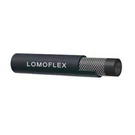
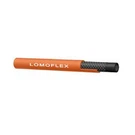


Hey there! As a supplier of suction and discharge hoses, I often get asked about the common sizes of these hoses. In this blog, I'll break down the typical sizes you'll come across in the market and give you a better understanding of which one might be right for your needs.
Why Size Matters
Before we dive into the specific sizes, let's talk about why the size of a suction and discharge hose is so important. The size affects how much fluid or material the hose can handle. A larger diameter hose can move more volume per minute, which is great for high - flow applications. On the other hand, a smaller diameter hose might be more suitable for situations where space is limited or where you don't need a huge amount of flow.
Common Sizes for Different Applications
Water Applications
When it comes to water suction and discharge hoses, there are several common sizes. One of the most frequently used sizes is 1 - 1/2 inches. This size is great for light - duty water transfer tasks, like draining a small pool or transferring water from a barrel. It's relatively easy to handle and can move a decent amount of water.
For medium - duty applications, such as water transfer in a small industrial setting or for agricultural irrigation, a 2 - inch hose is a popular choice. It can handle a higher flow rate compared to the 1 - 1/2 - inch hose. You can check out our Suction and Discharge Water Hose for more details on the 2 - inch option and other sizes we offer for water transfer.
In heavy - duty water applications, like large - scale construction site dewatering or fire - fighting operations, 3 - inch or even 4 - inch hoses are commonly used. These hoses can transfer a massive amount of water quickly, but they are also heavier and more difficult to handle.
Oil Applications
For oil suction and discharge hoses, the sizing is a bit different. A 1 - inch hose is often used for light - duty oil transfer, such as transferring oil from a small container to a piece of equipment. It's a good choice when you don't need to move a large volume of oil at once.
A 1 - 1/4 - inch or 1 - 1/2 - inch hose is suitable for medium - duty oil transfer, like in automotive workshops for changing oil in vehicles. These sizes can handle a moderate flow rate of oil.
In industrial settings where large amounts of oil need to be transferred, 2 - inch, 3 - inch, or even larger hoses are used. For example, in an oil refinery or a large - scale storage facility, big - diameter hoses are necessary to move oil efficiently. If you're interested in our oil hoses, take a look at our Suction and Discharge Oil Hose page.
Considerations When Choosing a Size
When you're choosing the size of a suction and discharge hose, there are a few things you need to consider. First, think about the flow rate you need. If you have a high - volume application, you'll need a larger diameter hose. But keep in mind that a larger hose also means more material and potentially a higher cost.
Second, consider the pressure requirements. Some applications require a hose that can withstand high pressure. In general, larger diameter hoses can handle higher pressures better, but it also depends on the construction of the hose.
Third, think about the space where the hose will be used. If you have limited space, a smaller diameter hose might be more practical, even if it means sacrificing some flow rate.
Standard Sizing in the Industry
In the industry, there are some standard sizing systems. In the United States, hoses are often sized in inches. However, in some other countries, the metric system is used. For example, a 1 - inch hose is approximately 25.4 millimeters in diameter. It's important to be aware of these differences, especially if you're dealing with international suppliers or customers.
Our Range of Sizes
As a suction and discharge hose supplier, we offer a wide range of sizes to meet different customer needs. Whether you need a small - diameter hose for a home project or a large - diameter hose for an industrial application, we've got you covered. Our hoses are made from high - quality materials to ensure durability and performance.
Conclusion
So, there you have it! The common sizes of suction and discharge hoses vary depending on the application, whether it's for water or oil. By understanding the different sizes and considering your specific needs, you can choose the right hose for your project.


If you're interested in purchasing suction and discharge hoses, we'd love to have a chat with you. We can help you find the perfect size and type of hose for your application. Just reach out to us, and we'll be happy to assist you in your procurement process.
References
- Industrial Hose Handbook
- Manufacturer's specifications for suction and discharge hoses