

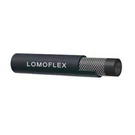
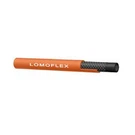


Hey there! As a supplier of industrial hose assemblies, I've seen firsthand the importance of understanding the different marking requirements. It's not just about slapping a label on and calling it a day. These markings are crucial for safety, compliance, and overall functionality. So, let's dive into the nitty - gritty of these requirements.
Understanding the Basics of Marking
First off, why do we even need to mark industrial hose assemblies? Well, it's all about information. Users need to know what they're dealing with. Is it safe for a specific application? What are the pressure limits? Can it handle certain chemicals? Markings answer all these questions and more.
There are different types of markings. Some are required by law, while others are just good business practices. When it comes to legal requirements, they vary from country to country and even between industries. For instance, in the United States, the Occupational Safety and Health Administration (OSHA) has specific rules about what should be marked on industrial hoses used in workplaces.
Mandatory Markings
Manufacturer Information
The first thing you'll usually see on an industrial hose assembly is the name or logo of the manufacturer. That's us! As a supplier, we're proud to put our name on our products. It shows that we stand behind what we make. This information is important for traceability. If there's ever an issue with the hose, users can easily reach out to the manufacturer to get it resolved.
Hose Type and Size
Next up are details about the hose itself. The type of hose is clearly marked. Is it a suction hose, a delivery hose, or something else? Different types are designed for different functions, and the marking helps users pick the right one for their job. The size is also crucial. We specify the inner diameter, outer diameter, and sometimes even the wall thickness. For example, a 2 - inch inner diameter hose is going to have different flow capacities compared to a 1 - inch one.
Working Pressure
One of the most critical markings is the working pressure. This tells users the maximum pressure the hose can safely handle. Exceeding this pressure can lead to serious problems, like bursts or leaks. We use clear numbers and sometimes color - coding to make it easy for users to understand. For example, a hose rated for 300 psi will have a bold marking indicating this number. If someone tries to use it in an application where the pressure goes beyond this limit, they're asking for trouble.
Temperature Range
Industrial hoses often work in different temperature environments. Some might be used in freezing cold conditions, while others are exposed to high - temperature fluids. That's why we mark the temperature range. This shows the minimum and maximum temperatures the hose can tolerate without losing its integrity. If a hose is marked for - 20°F to 150°F, using it outside this range can cause the material to degrade, leading to failures.
Industry - Specific Markings
Chemical Resistance
In industries where chemicals are involved, like the chemical processing or pharmaceutical industries, chemical resistance markings are a must. We test our hoses to see how well they hold up against different chemicals. Then, we mark them with a list of compatible and incompatible chemicals. For example, a hose might be marked as resistant to acids but not to alkalis. This helps users avoid using the wrong hose and potentially causing chemical reactions or leaks.
Food - Grade Markings
For hoses used in the food and beverage industry, food - grade markings are essential. These hoses need to meet strict hygiene standards. We mark them clearly to show that they're made from materials that are safe for contact with food. This gives food manufacturers the confidence to use our hoses in their production processes, knowing that they won't contaminate the products.
Additional Marking Considerations
Date of Manufacture
We also mark the date of manufacture on our hoses. This is important for several reasons. First, it helps users know how old the hose is. Over time, the materials in a hose can deteriorate, even if it's not being used. The date allows them to plan for replacements. Second, it can be useful in case of a recall. If there's ever an issue with a particular batch of hoses, we can quickly identify which ones were affected based on the manufacturing date.
Serial Number
Each of our industrial hose assemblies has a unique serial number. This is like a fingerprint for the hose. It helps us keep track of every single product we make. If a user has a question about a specific hose, they can provide the serial number, and we can look up all the details about its manufacturing process, test results, and more.

Importance of Adhering to Marking Requirements
As a supplier, we take marking requirements very seriously. It's not just about following the rules; it's about ensuring the safety and satisfaction of our customers. When a user sees that our hoses are properly marked, they trust that we've done our due diligence in making a high - quality product.
Proper markings also help in reducing liability. If a hose fails, and it's clear that the user ignored the markings (like using it at a pressure higher than the rated pressure), we're less likely to be held responsible. On the other hand, if we don't mark the hose correctly, we could be facing legal issues and damage to our reputation.
Our Role as a Supplier
We make sure to have a team that's well - versed in all the different marking requirements. Before a hose leaves our facility, we double - check that all the necessary markings are in place and are clear and legible. We also stay updated on any changes in the regulations. For example, if a new chemical substance is added to the list of regulated materials, we'll adjust our marking process accordingly.
We also offer support to our customers. If they're not sure which hose to use for a particular application, we can look at the markings and recommend the best option. Our goal is to make the process as easy as possible for them.
Air Hose Assembly
If you're specifically looking for an Air Hose Assembly, we've got you covered. These hoses have their own set of marking requirements, which we meticulously follow. Whether it's for a small workshop or a large industrial plant, our air hose assemblies are marked to show their air - flow capacity, pressure ratings, and compatibility with different air - supply systems.
Let's Talk Business
If you're in the market for industrial hose assemblies, we'd love to hear from you. We pride ourselves on offering high - quality products with clear and accurate markings. Our team is always ready to answer your questions, help you pick the right hose for your application, and provide any technical support you may need. Whether you're a small business or a large corporation, we can work with you to meet your hose - assembly needs. So, don't hesitate to reach out and start a conversation about your procurement requirements.
References
- Occupational Safety and Health Administration (OSHA). Regulations on Industrial Hose Markings.
- Industry Standards for Chemical - Resistant Hoses.
- Food and Drug Administration (FDA) Guidelines for Food - Grade Hoses.