

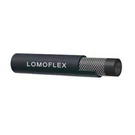
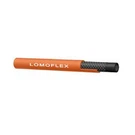


Alright, y'all! As a supplier of suction and discharge hoses, I get asked a ton about the temperature range these hoses can handle. So, I'm gonna break it down for you in this blog.
First off, let's understand why the temperature range matters. Suction and discharge hoses are used in a whole bunch of industries, from construction to agriculture, and even in the food and beverage sector. The temperature of the fluid you're moving through the hose can have a huge impact on the hose's performance and lifespan. If the temperature is too high or too low, it can cause the hose to deteriorate, leak, or even burst. That's not only a hassle but also can lead to some serious safety risks and costly downtime.
General Temperature Ranges
Most standard suction and discharge hoses can typically handle temperatures between -20°F (-29°C) and 180°F (82°C). This range is suitable for a wide variety of applications, like transferring water in normal weather conditions or moving mildly heated fluids in industrial processes.


But here's the thing, different types of hoses have different temperature tolerances. For example, Suction and Discharge Water Hose is designed specifically for handling water. These hoses usually have a good temperature range that can withstand cold winters and warm summers. They're made with materials that can resist the freezing and thawing cycles, which is crucial if you're using them in outdoor applications. Water hoses can generally handle temperatures from around 0°F (-18°C) to 140°F (60°C).
On the other hand, Suction and Discharge Oil Hose is built for a different set of challenges. Oil has a higher viscosity than water and can often be transported at higher temperatures. These hoses are made with special materials that are resistant to the corrosive nature of oil and can handle the heat generated during its transfer. Suction and discharge oil hoses can typically handle temperatures from -40°F (-40°C) to 212°F (100°C) or even higher in some cases, depending on the specific type of oil and the application.
Factors Affecting Temperature Range
There are a few factors that can affect the temperature range a hose can handle. One of the biggest factors is the material the hose is made of. Most hoses are made from rubber, PVC, or thermoplastics. Rubber hoses are known for their flexibility and durability. They can usually handle a wider temperature range compared to PVC hoses. Rubber hoses can be made with different compounds, each designed for specific temperature conditions. For example, EPDM rubber is great for handling high temperatures and is often used in hoses for industrial applications.
PVC hoses are lightweight and inexpensive. They're commonly used for low-pressure applications, like watering the garden or draining small ponds. However, PVC hoses are more sensitive to temperature changes. They can become brittle in cold weather and can soften or even melt in high temperatures.
Another factor is the reinforcement layer of the hose. The reinforcement layer provides strength and stability to the hose. It can be made of materials like polyester, nylon, or steel wire. Hoses with a steel wire reinforcement can handle higher pressures and temperatures compared to hoses with a polyester or nylon reinforcement.
The environment in which the hose is used also plays a role. If the hose is exposed to direct sunlight, extreme weather conditions, or chemicals, it can affect its temperature tolerance. For example, if a hose is used in a chemical plant where it's constantly exposed to corrosive substances, the material of the hose can degrade over time, reducing its ability to handle high temperatures.
Choosing the Right Hose for Your Temperature Needs
When you're choosing a suction and discharge hose, it's important to consider the temperature of the fluid you'll be transferring. If you're working in a cold climate and need to transfer water, you'll want to choose a water hose with a low-temperature rating. Look for hoses made from materials that are resistant to freezing, like EPDM rubber.
If you're in an industrial setting and need to transfer hot oil or other high-temperature fluids, you'll need a hose with a high-temperature rating. Check the manufacturer's specifications to make sure the hose can handle the maximum temperature of the fluid you'll be transferring.
It's also a good idea to consider the future needs of your application. If there's a chance that you'll need to transfer hotter or colder fluids in the future, it might be worth investing in a hose with a wider temperature range.
Maintenance and Temperature
Proper maintenance is crucial to ensuring your hose can continue to perform within its temperature range. Regularly inspect your hose for signs of wear and tear, such as cracks, leaks, or bulges. If you notice any issues, replace the hose immediately to avoid any potential safety hazards.
Keep your hose clean and free from debris. This will help prevent blockages and ensure proper fluid flow. If you're using a hose in a harsh environment, consider protecting it with a cover or shield to reduce the impact of extreme temperatures and other environmental factors.
Conclusion
So, there you have it! The temperature range for suction and discharge hoses can vary depending on the type of hose, the material it's made of, and the application. As a supplier, we offer a wide range of hoses to suit different temperature needs. Whether you need a water hose for a cool summer day or an oil hose for a high-temperature industrial process, we've got you covered.
If you're in the market for a suction and discharge hose, don't hesitate to reach out to us. We're here to help you find the right hose for your specific requirements. Get in touch with us to start a procurement discussion and find the perfect solution for your business.
References
- Industrial Hose Handbook: A Guide to Selection, Installation, and Maintenance
- Manufacturer specifications for suction and discharge hoses