

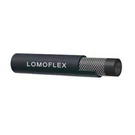



Hey there! I'm a supplier of air hose assemblies, and today I want to chat about the environmental impacts of these nifty little products. Air hose assemblies are used in a wide range of industries, from manufacturing and construction to automotive and agriculture. They're essential for delivering compressed air to tools and equipment, but like any product, they can have an impact on the environment.
Let's start with the materials used to make air hose assemblies. Most air hoses are made from synthetic rubber or thermoplastic materials. These materials are durable and resistant to abrasion, which is great for ensuring the longevity of the hoses. However, the production of synthetic rubber and thermoplastics often involves the use of fossil fuels. Extracting and processing these fossil fuels releases greenhouse gases into the atmosphere, contributing to climate change.
For example, the production of polyvinyl chloride (PVC), a common thermoplastic used in air hoses, requires the use of chlorine, which is derived from salt through an energy - intensive process. The energy used in this process typically comes from non - renewable sources, further increasing the carbon footprint. And when it comes to synthetic rubber, the raw materials are often derived from petroleum, a non - renewable resource. The refining and chemical processing of petroleum to create rubber also consume a significant amount of energy and release pollutants.
Another aspect to consider is the manufacturing process itself. The production of air hose assemblies involves several steps, including extrusion, molding, and vulcanization. These processes require a lot of energy, mainly in the form of electricity and heat. If the electricity is generated from coal - fired power plants, it can lead to high emissions of carbon dioxide, sulfur dioxide, and particulate matter. Sulfur dioxide can cause acid rain, which can damage forests, lakes, and buildings, while particulate matter can have harmful effects on human health, especially for those with respiratory problems.
Now, let's talk about the end - of - life phase of air hose assemblies. When air hoses reach the end of their useful life, they often end up in landfills. Synthetic rubber and thermoplastic materials are not biodegradable, which means they can sit in landfills for hundreds of years. As they break down very slowly, they take up valuable landfill space. Additionally, some of these materials can release harmful chemicals into the soil and groundwater over time. For instance, PVC can release dioxins, which are highly toxic and can bioaccumulate in the food chain.
But it's not all doom and gloom. There are some positive environmental aspects to air hose assemblies as well. One of the main advantages is their role in energy efficiency. Compressed air systems, which rely on air hose assemblies, can be more energy - efficient than other power sources in certain applications. For example, pneumatic tools powered by compressed air can offer a good balance between power and energy consumption. When properly maintained and optimized, these systems can reduce overall energy usage compared to using electric or hydraulic tools.
Also, many air hose assembly suppliers, including us, are taking steps to reduce the environmental impact of our products. We're looking into using more sustainable materials. For example, some companies are starting to use bio - based polymers in the production of air hoses. These polymers are derived from renewable resources such as plants, which can significantly reduce the reliance on fossil fuels. Bio - based polymers also have the potential to be more biodegradable, which would make the end - of - life disposal of air hoses more environmentally friendly.
We're also working on improving the manufacturing processes. By investing in more energy - efficient equipment and technologies, we can reduce the energy consumption during production. For example, using advanced extrusion machines that require less energy to operate or implementing waste - heat recovery systems to reuse the heat generated during the manufacturing process.
In addition, we're promoting the reuse and recycling of air hose assemblies. Instead of simply throwing away old hoses, we encourage our customers to see if parts of the hoses can be reused or if the hoses can be recycled. Some components of air hose assemblies, such as metal fittings, can be easily recycled and reused in new products.
If you're in the market for Air Hose Assembly, you might be wondering how you can make a more environmentally friendly choice. When choosing an air hose assembly, look for products made from sustainable materials. Ask the supplier about their manufacturing processes and whether they have any energy - saving measures in place. Also, find out if they offer any recycling or reuse programs for their products.
As a supplier, we're committed to reducing the environmental impact of our air hose assemblies. We understand that our products have a role to play in the larger environmental picture, and we're constantly looking for ways to improve. Whether you're a small business or a large corporation, we can work with you to find the right air hose assembly solution that meets your needs while also being kind to the environment.

If you're interested in learning more about our air hose assemblies or have any questions about their environmental impact, feel free to reach out. We're here to help you make an informed decision and find the best product for your operations. Let's work together to make the use of air hose assemblies more sustainable.
References
- "Environmental Impact of Plastics Production" - Journal of Environmental Science and Technology
- "Sustainable Manufacturing in the Rubber Industry" - Rubber Technology Review
- "End - of - Life Management of Synthetic Materials" - Waste Management Journal