



Is SAE100 R5 suitable for hydraulic systems? Well, that's a question I get asked a lot as a supplier of SAE100 R5 hoses. In this blog, I'm gonna dive deep into the details to help you figure out if this type of hose is the right fit for your hydraulic systems.
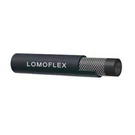
First off, let's talk about what SAE100 R5 is. SAE100 R5 is a type of hydraulic hose that's designed to handle specific pressures and applications. It's a composite hose made up of an inner tube, a reinforcement layer, and an outer cover. The inner tube is usually made of a synthetic rubber that's resistant to hydraulic fluids. The reinforcement layer provides the strength to handle the pressure, and the outer cover protects the hose from environmental factors like abrasion, ozone, and weather.
One of the main advantages of SAE100 R5 for hydraulic systems is its flexibility. It's more flexible compared to some other high - pressure hoses, which means it can be routed more easily around tight corners and through complex machinery setups. This flexibility makes it a great choice for applications where you need to install the hose in a confined space. For example, in some construction equipment where the hydraulic lines have to be snaked through a crowded engine compartment, SAE100 R5 can be a real lifesaver.
Another plus is its pressure rating. SAE100 R5 hoses are capable of handling moderate to high - pressure hydraulic systems. They are designed to meet specific SAE standards, which ensure a certain level of quality and performance. This means that you can rely on them to operate safely and effectively within their rated pressure range.
However, it's not all sunshine and roses. There are some situations where SAE100 R5 might not be the best option. For example, if your hydraulic system requires extremely high - pressure capabilities, SAE100 R5 might fall short. In those cases, you might want to look into hoses like SAE100R1AT or Din En853 2sn, which are designed for higher - pressure applications.
Also, if your application exposes the hose to a lot of rough handling or extreme abrasion, the outer cover of SAE100 R5 might not be as durable as you need. In such cases, a hose with a more robust outer cover, like Hydraulic Rubber Hose Sae100 R17, could be a better choice.
When it comes to the compatibility with different hydraulic fluids, SAE100 R5 generally works well with a wide range of common hydraulic fluids. But you still need to double - check. Some specialized or synthetic hydraulic fluids might require a hose that's specifically designed to be compatible with them. So, always make sure to consult the fluid manufacturer's recommendations and the hose's technical specifications.

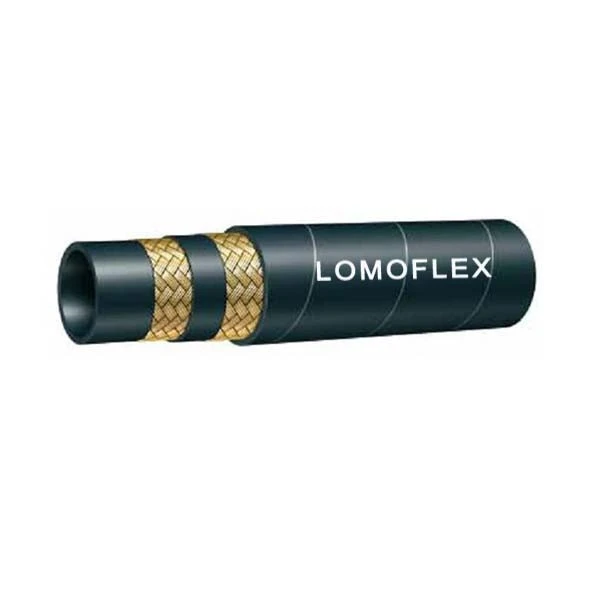
Installation is another important factor. Even if SAE100 R5 is a good match for your hydraulic system on paper, improper installation can lead to all sorts of problems. You need to make sure that the hose is cut to the correct length, the fittings are properly installed, and the hose is routed in a way that doesn't cause kinking or excessive bending. Kinking can reduce the flow of hydraulic fluid and even lead to premature hose failure.
Maintenance is also crucial. Regularly inspect your SAE100 R5 hoses for signs of wear, such as cracks in the outer cover, bulges, or leaks. If you notice any of these issues, it's important to replace the hose as soon as possible to avoid system failures and potential safety hazards.
In conclusion, SAE100 R5 can be a great option for many hydraulic systems, especially those that require flexibility and can operate within its pressure rating. But it's not a one - size - fits - all solution. You need to carefully consider your specific application, the pressure requirements, the type of hydraulic fluid, and the environmental conditions before deciding if SAE100 R5 is the right hose for you.
If you're still not sure whether SAE100 R5 is suitable for your hydraulic system or you want to learn more about our SAE100 R5 products, feel free to reach out and start a procurement discussion. I'm here to help you make the best decision for your hydraulic system needs.
References
- Technical documentation on SAE100 R5 hoses from industry standards organizations
- Product catalogs of leading hydraulic hose manufacturers