



When it comes to hydraulic hoses, one of the most crucial considerations is their resistance to various environmental factors, especially heat. As a supplier of SAE100R1AT hydraulic hoses, I often encounter inquiries about the heat resistance of this particular product. In this blog post, we'll delve into the scientific aspects of SAE100R1AT and its ability to withstand high temperatures.
Understanding SAE100R1AT
SAE100R1AT is a type of hydraulic hose that is widely used in various industrial applications. It is a single-wire braid hydraulic hose designed to meet the standards set by the Society of Automotive Engineers (SAE). This hose is known for its flexibility, strength, and reliability, making it a popular choice for hydraulic systems in construction equipment, agricultural machinery, and other heavy-duty applications.


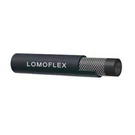
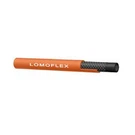
The construction of SAE100R1AT typically consists of an inner tube, a single layer of wire braid reinforcement, and an outer cover. The inner tube is usually made of synthetic rubber, which is resistant to hydraulic fluids and provides a smooth surface for fluid flow. The wire braid reinforcement adds strength and pressure resistance to the hose, while the outer cover protects the hose from abrasion, weathering, and other external factors.
Heat Resistance Mechanisms in SAE100R1AT
The heat resistance of SAE100R1AT is primarily determined by the materials used in its construction. The inner tube and outer cover materials play a crucial role in determining how well the hose can withstand high temperatures.
Inner Tube Materials
The inner tube of SAE100R1AT is often made of nitrile rubber (NBR). Nitrile rubber is known for its excellent resistance to oil, fuel, and other hydraulic fluids. It also has good heat resistance properties, with a typical operating temperature range of -40°C to 100°C. However, the exact heat resistance of the inner tube can vary depending on the specific formulation of the nitrile rubber and the additives used.
Some manufacturers may use special formulations of nitrile rubber that are designed to have enhanced heat resistance. These formulations may include the addition of heat stabilizers, antioxidants, or other additives that can improve the rubber's ability to withstand high temperatures without degrading.
Outer Cover Materials
The outer cover of SAE100R1AT is typically made of a synthetic rubber compound that is resistant to abrasion, ozone, and weathering. Common materials used for the outer cover include chloroprene rubber (CR) and styrene-butadiene rubber (SBR).
Chloroprene rubber has good heat resistance, with an operating temperature range of -40°C to 100°C. It also has excellent resistance to ozone, sunlight, and chemicals, making it a suitable material for outdoor applications. Styrene-butadiene rubber, on the other hand, has a lower heat resistance compared to chloroprene rubber, with an operating temperature range of -40°C to 80°C. However, it is more cost-effective and has good abrasion resistance.
Reinforcement Materials
The wire braid reinforcement in SAE100R1AT also plays a role in its heat resistance. The wire used in the braid is usually made of high-strength steel, which has good thermal conductivity. This means that the wire can help to dissipate heat from the hose, reducing the risk of overheating.
However, it's important to note that the wire braid itself is not directly responsible for the heat resistance of the hose. The primary function of the wire braid is to provide strength and pressure resistance. The heat resistance of the hose is mainly determined by the inner tube and outer cover materials.
Factors Affecting Heat Resistance
While the materials used in the construction of SAE100R1AT are designed to provide good heat resistance, there are several factors that can affect the actual performance of the hose in high-temperature environments.
Operating Temperature Range
The operating temperature range specified by the manufacturer is a crucial factor to consider. Exceeding the recommended temperature range can cause the rubber materials in the hose to degrade, leading to a loss of flexibility, strength, and sealing properties. This can result in leaks, reduced performance, and even premature failure of the hose.
Fluid Temperature
The temperature of the hydraulic fluid flowing through the hose can also have a significant impact on its heat resistance. If the fluid temperature is too high, it can transfer heat to the hose, increasing the temperature of the inner tube and outer cover. This can accelerate the degradation of the rubber materials and reduce the overall lifespan of the hose.
Heat Source
The proximity of the hose to a heat source, such as an engine, exhaust system, or other hot components, can also affect its heat resistance. If the hose is exposed to direct heat radiation or hot air currents, it can quickly heat up and exceed its operating temperature range. In such cases, additional thermal insulation or shielding may be required to protect the hose.
Operating Pressure
The operating pressure of the hydraulic system can also influence the heat resistance of the hose. Higher pressures can cause the hose to generate more heat due to internal friction and fluid flow. This can further increase the temperature of the hose and reduce its ability to withstand high temperatures.
Comparing SAE100R1AT with Other Hydraulic Hoses
To better understand the heat resistance of SAE100R1AT, it's useful to compare it with other similar hydraulic hoses. Here are some comparisons with popular alternatives:
Din En857 1sc
Like SAE100R1AT, Din En857 1sc is a single-wire braid hydraulic hose. It is designed to meet the European standards for hydraulic hoses. In terms of heat resistance, Din En857 1sc generally has similar performance to SAE100R1AT, with an operating temperature range of around -40°C to 100°C, depending on the specific materials used. However, the exact heat resistance can vary between different manufacturers and product specifications.
Hydraulic Rubber Hose Sae100 R17
SAE100 R17 is a two-wire braid hydraulic hose that offers higher pressure ratings compared to SAE100R1AT. In terms of heat resistance, SAE100 R17 also typically has an operating temperature range of -40°C to 100°C. The additional wire braid layer in SAE100 R17 provides more strength and pressure resistance, but it may also slightly affect the flexibility of the hose.
Din En853 2sn
Din En853 2sn is a two-wire braid hydraulic hose that is widely used in European hydraulic systems. It has a similar construction to SAE100 R17 but is designed to meet different standards. The heat resistance of Din En853 2sn is generally comparable to SAE100R17, with an operating temperature range of -40°C to 100°C.
Ensuring Optimal Heat Resistance in Applications
To ensure that SAE100R1AT provides optimal heat resistance in your applications, here are some best practices to follow:
Select the Right Hose
Choose a SAE100R1AT hose that is specifically designed for the temperature requirements of your application. Make sure to check the manufacturer's specifications for the operating temperature range and select a hose that can safely handle the expected temperatures.
Proper Installation
Install the hose correctly to ensure proper heat dissipation. Avoid kinking, bending, or pinching the hose, as this can restrict fluid flow and increase internal friction, leading to higher temperatures. Make sure to use the appropriate fittings and connectors and tighten them to the recommended torque.
Thermal Insulation
If the hose is exposed to high temperatures or a heat source, consider using thermal insulation or shielding to protect it. This can help to reduce the heat transfer to the hose and keep its temperature within the operating range.
Regular Inspection
Regularly inspect the hose for signs of damage, wear, or degradation. Look for cracks, bulges, leaks, or discoloration, which may indicate that the hose is being exposed to excessive heat or other environmental factors. Replace the hose if any signs of damage are found.
Conclusion
In conclusion, SAE100R1AT is generally resistant to heat, with an operating temperature range of -40°C to 100°C depending on the specific materials used. The heat resistance of the hose is primarily determined by the inner tube and outer cover materials, as well as the reinforcement materials. However, several factors, such as operating temperature range, fluid temperature, heat source, and operating pressure, can affect the actual performance of the hose in high-temperature environments.
By understanding the heat resistance mechanisms of SAE100R1AT and following the best practices for installation and maintenance, you can ensure that the hose provides reliable performance in your hydraulic systems. If you have any questions about the heat resistance of SAE100R1AT or need help selecting the right hose for your application, please feel free to contact us. We are here to assist you with your procurement and provide you with high-quality hydraulic hoses that meet your specific requirements.
References
- Society of Automotive Engineers (SAE) standards for hydraulic hoses
- Manufacturer's product specifications for SAE100R1AT, Din En857 1sc, Hydraulic Rubber Hose Sae100 R17, and Din En853 2sn
- Technical literature on hydraulic hose materials and heat resistance