

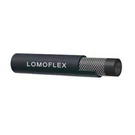
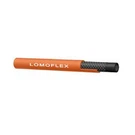


Hey there! As a supplier of suction and discharge oil hoses, I've been in the industry for quite a while, and I've seen all sorts of things when it comes to these hoses. So, I thought I'd share with you what the standards are for suction and discharge oil hoses.
First off, let's talk about what suction and discharge oil hoses are used for. These hoses are designed to transfer oil from one place to another, whether it's from a storage tank to a tanker truck or from a wellhead to a processing facility. They need to be able to handle the specific properties of oil, such as its viscosity, temperature, and chemical composition.
Material Standards
One of the most important standards for suction and discharge oil hoses is the material they're made of. The inner tube of the hose is in direct contact with the oil, so it needs to be resistant to the oil's chemical properties. Most commonly, nitrile rubber is used for the inner tube because it has excellent resistance to oil, fuel, and other petroleum-based products.


The reinforcement layer of the hose is also crucial. It provides the strength and flexibility needed to withstand the pressure of the oil flowing through the hose. This layer is usually made of synthetic fibers like polyester or nylon, which are strong and durable.
The outer cover of the hose protects it from external factors such as abrasion, weather, and chemicals. A good outer cover material is often a blend of rubber and other polymers that can resist these elements. For example, neoprene is a popular choice for the outer cover because it's resistant to ozone, sunlight, and many chemicals.
Pressure and Temperature Ratings
Another key standard is the pressure and temperature ratings of the hose. The pressure rating indicates the maximum pressure the hose can safely handle without bursting or leaking. This is important because if the pressure exceeds the rating, it can lead to serious safety hazards.
The temperature rating, on the other hand, tells you the range of temperatures within which the hose can operate effectively. Oil can be transferred at different temperatures, so the hose needs to be able to withstand these variations. For example, some hoses are designed to handle high-temperature oil, while others are better suited for cold environments.
Size and Dimension Standards
The size and dimensions of the suction and discharge oil hose also matter. The inner diameter of the hose determines the flow rate of the oil. A larger inner diameter allows for a higher flow rate, but it also requires more pressure to push the oil through.
The length of the hose is another factor. Longer hoses can increase the resistance to flow, so you need to make sure the pump can generate enough pressure to overcome this resistance.
Safety Standards
Safety is always a top priority when it comes to oil transfer. Suction and discharge oil hoses need to meet certain safety standards to prevent accidents. For example, they should have proper fittings that are securely attached to the hose to prevent leaks.
Some hoses also come with additional safety features like anti-static properties. This is important because oil flowing through a hose can generate static electricity, which can potentially cause a fire or explosion. Anti-static hoses help to dissipate this static charge safely.
Quality Assurance
As a supplier, I make sure that all our Suction and Discharge Oil Hose meet these standards. We conduct rigorous testing on our hoses to ensure their quality and performance. This includes pressure testing, chemical resistance testing, and abrasion testing.
We also offer a variety of hoses to meet different customer needs. Whether you need a hose for a small-scale operation or a large industrial application, we've got you covered.
In addition to suction and discharge oil hoses, we also supply Suction and Discharge Water Hose. These hoses are designed to handle water transfer and have their own set of standards, but the principles of quality and safety are the same.
Why Choose Our Hoses?
There are several reasons why you should choose our suction and discharge oil hoses. First of all, our hoses are made from high-quality materials, so you can be sure they'll last a long time. We also offer competitive prices, which means you get great value for your money.
Our team of experts is always available to provide you with technical support and advice. Whether you have questions about the installation, maintenance, or selection of a hose, we're here to help.
Let's Do Business
If you're in the market for suction and discharge oil hoses or suction and discharge water hoses, I encourage you to get in touch with us. We're always happy to discuss your specific requirements and find the best solution for you. Whether you're a small business or a large corporation, we can provide you with the hoses you need at a price you can afford.
So, don't hesitate to reach out and start a conversation. Let's work together to make your oil or water transfer operations more efficient and safe.
References
- "Handbook of Industrial Hoses" - A comprehensive guide on the standards and applications of industrial hoses.
- Industry standards and regulations set by organizations such as the American Society for Testing and Materials (ASTM) and the International Organization for Standardization (ISO).