

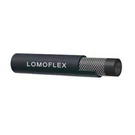
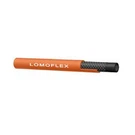


Hey there! As a supplier of SAE100R1AT hydraulic hoses, I've been getting a lot of questions about the tribological properties of this particular product. So, I thought I'd take a moment to break it down for you in this blog post.
First off, let's talk about what tribology is. In simple terms, tribology is the science of friction, wear, and lubrication. When it comes to hydraulic hoses like SAE100R1AT, understanding these properties is crucial because it directly impacts the hose's performance and lifespan.
Friction in SAE100R1AT Hoses
Friction is one of the key factors in tribology. In the case of SAE100R1AT hoses, friction can occur in several ways. One common area where friction comes into play is when the hose is bent or flexed. As the hose bends, the internal layers rub against each other, creating friction. This friction can generate heat, which, if not managed properly, can lead to premature wear and damage of the hose.
Another source of friction is the interaction between the hose and the fluid flowing through it. The fluid's viscosity, flow rate, and the internal surface roughness of the hose all contribute to the frictional forces. A higher viscosity fluid will generally create more friction than a lower viscosity one. Similarly, a rough internal surface of the hose can increase friction, causing energy losses and potentially reducing the efficiency of the hydraulic system.
To minimize friction in SAE100R1AT hoses, manufacturers often use special materials and manufacturing processes. For example, the inner tube of the hose is typically made from a smooth, low-friction material that allows the fluid to flow more easily. Additionally, the outer cover is designed to be flexible and resistant to abrasion, reducing the friction when the hose rubs against other surfaces.
Wear and Its Impact
Wear is another important aspect of tribology. In hydraulic hoses, wear can occur due to a variety of factors, including friction, abrasion, and chemical degradation. Friction, as mentioned earlier, can cause the internal layers of the hose to wear down over time. Abrasion, on the other hand, happens when the hose rubs against sharp or rough surfaces. This can lead to cuts, scratches, and eventually, leaks in the hose.
Chemical degradation is also a significant cause of wear in SAE100R1AT hoses. The fluid flowing through the hose may contain chemicals or additives that can react with the hose materials, causing them to break down. This can weaken the hose and reduce its ability to withstand pressure, leading to failure.
To prevent wear, it's essential to choose the right hose for the application. SAE100R1AT hoses are designed to be resistant to wear and tear, but it's still important to ensure that the hose is used within its specified operating conditions. For example, the hose should not be exposed to excessive temperatures, pressures, or chemicals that could cause premature wear.
Lubrication and Its Role
Lubrication plays a vital role in reducing friction and wear in SAE100R1AT hoses. In some cases, the fluid flowing through the hose can act as a lubricant, reducing the frictional forces between the internal layers. However, in other situations, additional lubrication may be required.
For example, if the hose is used in a high-pressure or high-speed application, the fluid may not provide sufficient lubrication. In such cases, a lubricant can be added to the fluid to improve its lubricating properties. This can help reduce friction, lower the operating temperature of the hose, and extend its lifespan.
Comparing with Other Hose Types
Now, let's compare the tribological properties of SAE100R1AT with other popular hose types like Sae100 R2at, Din En853 1sn, and Din En857 2sc.
SAE100R1AT is a single-braid hydraulic hose, which means it has a relatively simple construction compared to some of the other types. This simplicity can result in lower friction and wear in certain applications. However, it may not be as strong or durable as multi-braid hoses like SAE100R2AT, which are designed for higher pressure applications.
Din En853 1sn hoses are also single-braid hoses, but they may have different materials and construction, which can affect their tribological properties. These hoses are often used in European applications and may have different performance characteristics compared to SAE100R1AT.


Din En857 2sc hoses are double-braid hoses, which provide higher strength and pressure resistance. However, the additional braid layers can increase the complexity of the hose and potentially lead to more friction and wear, especially if the hose is not properly designed or maintained.
Importance of Tribological Properties in Applications
Understanding the tribological properties of SAE100R1AT hoses is crucial for ensuring the proper functioning of hydraulic systems. In industrial applications, hydraulic systems are used in a wide range of equipment, including construction machinery, agricultural equipment, and manufacturing machinery. Any failure or inefficiency in the hydraulic system can lead to costly downtime and repairs.
By choosing a hose with good tribological properties, you can reduce friction, wear, and energy losses, improving the overall performance and reliability of the hydraulic system. This can result in lower operating costs, longer equipment lifespan, and increased productivity.
Contact for Purchase and Consultation
If you're in the market for SAE100R1AT hoses or have any questions about their tribological properties, I'd love to hear from you. Whether you need help choosing the right hose for your application or want to learn more about how to optimize its performance, I'm here to assist. Feel free to reach out, and we can start a discussion about your specific needs.
References
- "Tribology Handbook", Edited by Bhushan, Bharat
- "Hydraulic Hose and Fittings Handbook", Various Authors