

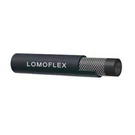



Hey there! As an oxygen acetylene hose supplier, I've seen firsthand the importance of understanding how different substances can affect these hoses. One question that often comes up is, "What is the effect of oil and grease on an oxygen acetylene hose?" Well, let's dive right in and find out.
Understanding Oxygen Acetylene Hoses
First off, oxygen acetylene hoses are a crucial part of many industrial and DIY applications. They're used to transport oxygen and acetylene gases to a torch, where they're mixed and burned to create a high - temperature flame for cutting, welding, and brazing. These hoses are designed to be durable and resistant to the harsh conditions they're exposed to, but they're not invincible.
Why Oil and Grease Are a Problem
Oil and grease can have some seriously negative effects on oxygen acetylene hoses. Oxygen is a highly reactive gas, and when it comes into contact with oil or grease, it can create a very dangerous situation. The combination of oxygen and oil or grease can lead to a rapid oxidation reaction, which can generate a large amount of heat. In some cases, this heat can be enough to cause an explosion.
Let's break it down a bit more. Oil and grease are made up of organic compounds, which are basically chains of carbon and hydrogen atoms. When oxygen comes into contact with these compounds, it starts to break them down. This process releases energy in the form of heat. If there's enough oxygen and the oil or grease is in a confined space, like inside an oxygen acetylene hose, the heat can build up quickly and cause an explosion.
Physical Damage to the Hoses
Apart from the explosion risk, oil and grease can also cause physical damage to the hoses. Most oxygen acetylene hoses are made of rubber or a rubber - like material. Oil and grease can dissolve or swell the rubber, weakening the hose's structure. This can lead to leaks, which are not only a safety hazard but can also waste precious gases.
When the rubber swells, it can also cause the hose to kink or twist more easily. Kinks in the hose can restrict the flow of gases, which can affect the performance of the torch. You might notice that the flame is weaker or less consistent, which can make it difficult to get a good weld or cut.
Contamination of the Gas Supply
Another issue is that oil and grease can contaminate the gas supply. If oil or grease gets into the oxygen or acetylene, it can affect the quality of the flame. The contaminants can cause incomplete combustion, which can lead to a sooty or uneven flame. This not only makes the welding or cutting process less efficient but can also affect the quality of the finished product.
How to Prevent Oil and Grease Contamination
As a supplier, I always recommend taking some simple steps to prevent oil and grease from coming into contact with your oxygen acetylene hoses. First of all, make sure that your work area is clean. Keep oil - based products away from the hoses and the gas cylinders. If you're using tools that have oil or grease on them, make sure to clean them thoroughly before using them near the hoses.
It's also a good idea to regularly inspect your hoses for signs of oil or grease contamination. Look for any discoloration or swelling, which could be a sign that the rubber is being affected. If you do notice any signs of contamination, it's best to replace the hose as soon as possible to avoid any safety risks.


Other Types of Hoses and Their Uses
While we're on the topic of hoses, I thought I'd mention a few other types of hoses that we supply. We have a great selection of Rubber Air Hose, which are used for a variety of applications, like powering pneumatic tools. These hoses are designed to be flexible and durable, so they can withstand the high - pressure air that's used in these tools.
We also have Fuel Oil Hose for transporting fuel oil. These hoses are made of materials that are resistant to the corrosive effects of fuel oil, so they can last for a long time. And if you need a hose for water applications, we have Rubber Water Hose that are perfect for watering gardens, washing cars, or any other water - related task.
Conclusion
In conclusion, oil and grease can have a really bad effect on oxygen acetylene hoses. They can create a dangerous explosion risk, cause physical damage to the hoses, and contaminate the gas supply. As a supplier, I want to make sure that you're aware of these risks and take the necessary steps to prevent them.
If you're in the market for oxygen acetylene hoses or any of our other hoses, don't hesitate to reach out. We're here to help you find the right hoses for your needs and make sure that you're using them safely. Whether you're a professional welder or a DIY enthusiast, we've got the products and the knowledge to support you.
References
- "Industrial Hoses: A Guide to Selection and Use." Industrial Hose Association.
- "Safety Guidelines for Oxygen and Acetylene Systems." National Fire Protection Association.