

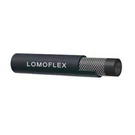
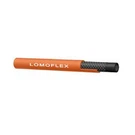


Hey there! I'm a supplier of suction and discharge water hoses, and I often get asked about what materials these hoses are usually made of. So, I thought I'd write this blog to share some insights on that.
Let's start with the basics. Suction and discharge water hoses are used in a wide range of applications, from industrial settings to agricultural fields, and even in our homes for simple tasks like watering the garden. The choice of material for these hoses depends on several factors, such as the type of water (clean, dirty, or with chemicals), the pressure requirements, and the environmental conditions.
Rubber
One of the most common materials for suction and discharge water hoses is rubber. Rubber hoses have been around for a long time, and for good reason. They're flexible, durable, and can handle a wide range of temperatures.


Natural rubber is a popular choice for hoses that need to be highly flexible. It has excellent elasticity, which means it can bend and twist without cracking or breaking. This makes it ideal for applications where the hose needs to be moved around a lot, like in a construction site or a mining operation. However, natural rubber is not very resistant to chemicals and oils, so it's not suitable for use with water that contains these substances.
Synthetic rubbers, on the other hand, offer better chemical resistance. For example, neoprene rubber is resistant to oil, grease, and many chemicals. It's also more resistant to ozone and weathering, which means it can last longer outdoors. Neoprene hoses are often used in industrial applications where the water may be contaminated with chemicals or where the hose is exposed to harsh environmental conditions.
Another synthetic rubber commonly used in water hoses is EPDM (ethylene propylene diene monomer). EPDM has good resistance to heat, ozone, and weathering. It's also non-toxic, which makes it suitable for use in potable water applications. EPDM hoses are often used in the food and beverage industry, as well as in residential and commercial plumbing systems.
PVC (Polyvinyl Chloride)
PVC is another popular material for suction and discharge water hoses. PVC hoses are lightweight, inexpensive, and easy to handle. They're also resistant to many chemicals, making them suitable for use with a variety of water types.
One of the advantages of PVC hoses is their clarity. Some PVC hoses are transparent, which allows you to see the flow of water inside the hose. This can be useful in applications where you need to monitor the water for any signs of contamination or blockage.
However, PVC hoses are not as flexible as rubber hoses, especially in cold temperatures. They can become stiff and brittle, which may lead to cracking or splitting. To overcome this problem, some PVC hoses are formulated with plasticizers to improve their flexibility. But these plasticizers can leach out over time, especially when the hose is exposed to high temperatures or certain chemicals.
Polyurethane
Polyurethane hoses are known for their high strength and abrasion resistance. They're also very flexible, even in cold temperatures. Polyurethane hoses can handle high pressures, making them suitable for use in applications where the water needs to be pumped at a high rate.
These hoses are often used in industrial applications, such as in the mining and construction industries, where the hose may be dragged across rough surfaces or exposed to sharp objects. Polyurethane hoses are also resistant to many chemicals and oils, which makes them suitable for use with water that contains these substances.
However, polyurethane hoses are more expensive than PVC hoses, and they may not be as widely available. But if you need a hose that can withstand harsh conditions and last a long time, a polyurethane hose may be worth the investment.
Composite Materials
Some suction and discharge water hoses are made of composite materials, which combine the properties of different materials. For example, a hose may have a rubber inner tube for flexibility and chemical resistance, and a PVC outer layer for abrasion resistance and protection.
Composite hoses can offer the best of both worlds, providing a combination of flexibility, strength, and chemical resistance. They're often used in applications where a single material may not be sufficient to meet the requirements.
Choosing the Right Material
When choosing a suction and discharge water hose, it's important to consider the specific requirements of your application. Here are some factors to keep in mind:
- Water Type: If the water is clean and free of chemicals, a natural rubber or EPDM hose may be sufficient. But if the water contains chemicals or oils, you'll need a hose made of a material that's resistant to these substances, such as neoprene or polyurethane.
- Pressure Requirements: If you need to pump water at a high pressure, you'll need a hose that can handle the pressure. Polyurethane hoses are a good choice for high-pressure applications, while PVC hoses may be more suitable for low-pressure applications.
- Environmental Conditions: If the hose will be used outdoors, you'll need a hose that's resistant to weathering and UV rays. Neoprene and EPDM hoses are good choices for outdoor use, as they're more resistant to ozone and weathering.
- Flexibility: If you need to move the hose around a lot, you'll need a hose that's flexible. Rubber hoses are generally more flexible than PVC hoses, especially in cold temperatures.
As a supplier of Suction and Discharge Water Hose, I can help you choose the right hose for your needs. We offer a wide range of hoses made from different materials, so you can find the one that's best suited for your application.
In addition to water hoses, we also supply Suction and Discharge Oil Hose for applications where you need to transfer oil or other petroleum products. Our oil hoses are made from materials that are resistant to oil and chemicals, ensuring safe and reliable operation.
If you're in the market for a suction and discharge water hose or an oil hose, I'd love to hear from you. Feel free to reach out to me to discuss your requirements and get a quote. We're committed to providing high-quality products and excellent customer service, so you can be confident that you're getting the best value for your money.
References
- "Industrial Hoses: A Guide to Selection and Use." Industrial Hose Association.
- "Rubber Hoses: Properties and Applications." Rubber Manufacturers Association.
- "Plastic Hoses: Types and Characteristics." Society of Plastics Engineers.