

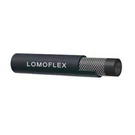



Hey there! I'm an LPG hose supplier, and I've seen firsthand the importance of safety when it comes to using these hoses. LPG, or liquefied petroleum gas, is a popular fuel source for many applications, from home cooking to industrial processes. But if not handled properly, it can be extremely dangerous. That's why I'm here to share some essential safety precautions that you should take when using an LPG hose.
Regular Inspection
First things first, regular inspection is crucial. You should visually inspect your LPG hose before each use. Look for any signs of wear and tear, such as cracks, cuts, or bulges. These can be early indicators that the hose is compromised and could potentially leak gas. If you notice any of these issues, don't use the hose. Instead, replace it immediately. You can find high - quality LPG hoses on our website Lpg Hose.
It's also a good idea to check the fittings at both ends of the hose. Make sure they are tightly secured and not loose. Loose fittings can lead to gas leaks, which are a major safety hazard. If you find that the fittings are loose, try tightening them. But if they still won't stay tight, it might be time to replace the hose or the fittings.
Proper Installation
Proper installation is another key aspect of using an LPG hose safely. When installing the hose, make sure it is routed away from any sources of heat, sparks, or open flames. LPG is highly flammable, and exposing the hose to these elements can increase the risk of a fire or explosion.
Also, avoid kinking the hose during installation. Kinks can restrict the flow of gas and put extra stress on the hose, which can cause it to fail over time. If you need to bend the hose, make sure the bend radius is within the manufacturer's recommended limits.
Storage
How you store your LPG hose when it's not in use can also affect its safety and longevity. Store the hose in a cool, dry place away from direct sunlight. Prolonged exposure to sunlight can cause the rubber in the hose to degrade, making it more prone to leaks.
Keep the hose away from sharp objects and chemicals. Chemicals can react with the rubber in the hose and weaken it, while sharp objects can puncture or cut the hose. If you need to store the hose for an extended period, it's a good idea to coil it loosely and hang it up. This helps prevent kinking and keeps the hose in good condition.
Pressure Testing
Periodically, you should have your LPG hose pressure - tested. Pressure testing can help detect any hidden leaks or weaknesses in the hose that might not be visible during a visual inspection. You can either do this yourself if you have the right equipment and knowledge, or you can have it done by a professional.
Compatibility
Make sure that the LPG hose you are using is compatible with the equipment it is connected to. Different LPG appliances and systems have different pressure and flow requirements, and using an incompatible hose can lead to problems. Always check the manufacturer's specifications to ensure that the hose is suitable for your specific application.
Training
If you're using an LPG hose in a commercial or industrial setting, it's important that all employees who handle the hose are properly trained. They should know how to inspect, install, and use the hose safely. Training should also cover what to do in case of a gas leak or other emergency.
Emergency Preparedness
Even if you take all the necessary safety precautions, accidents can still happen. That's why it's important to be prepared for emergencies. Have a fire extinguisher nearby that is suitable for use with LPG fires. Know the location of the emergency shut - off valves for your LPG system and how to use them.
In case of a gas leak, the first thing you should do is turn off the gas supply at the source. Then, open all windows and doors to ventilate the area and allow the gas to disperse. Do not use any electrical switches or appliances, as they could create a spark and ignite the gas. Evacuate the area immediately and call the appropriate emergency services.
Other Related Hoses
While we're on the topic of hoses, it's worth mentioning that we also offer other types of hoses for different applications. For example, if you need a Rubber Water Hose for watering your garden or for industrial water transfer, we've got you covered. And if you're in the welding business, our Twin Welding Hose is a great choice.
Conclusion
Using an LPG hose safely is all about being proactive and taking the right precautions. By regularly inspecting the hose, installing it properly, storing it correctly, and being prepared for emergencies, you can significantly reduce the risk of accidents.

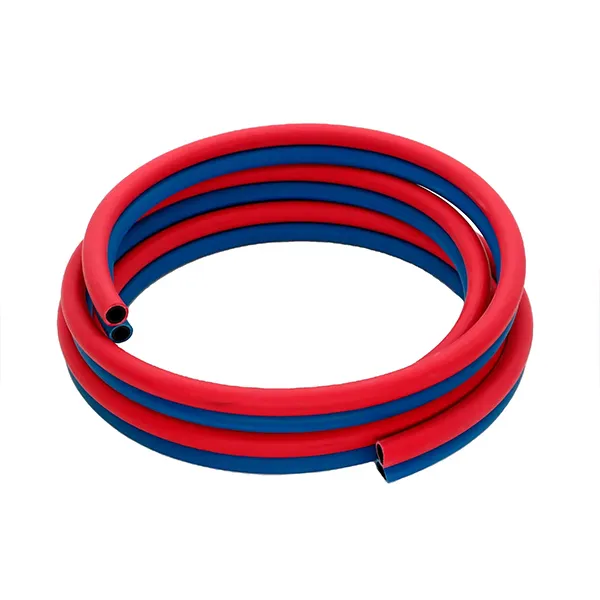
If you're in the market for a high - quality LPG hose or any other type of industrial hose, we're here to help. We offer a wide range of hoses that are made to the highest standards of quality and safety. Don't hesitate to reach out to us for more information or to discuss your specific needs. We're always happy to assist you with your hose requirements and ensure that you get the best product for your application. Let's work together to keep your LPG systems safe and running smoothly!
References
- Industry standards for LPG hose safety
- Manufacturer's guidelines for LPG hose use and maintenance