



As an LPG hose supplier, I understand the critical importance of ensuring that our products meet the highest safety standards. One of the most crucial aspects of LPG hose safety is its pressure rating. In this blog post, I'll share some professional insights on how to check the pressure rating of an LPG hose, which will help you make informed decisions when purchasing and using these essential components.
Understanding Pressure Ratings
Before diving into the checking process, it's essential to understand what a pressure rating means. The pressure rating of an LPG hose indicates the maximum pressure the hose can safely withstand without failing. This rating is determined through rigorous testing procedures and is typically expressed in units such as pounds per square inch (psi) or bar. Exceeding the pressure rating can lead to hose failure, which may result in leaks, fires, or explosions, posing significant risks to people and property.
Checking the Manufacturer's Documentation
The first and most reliable way to determine the pressure rating of an LPG hose is to refer to the manufacturer's documentation. When you purchase an LPG hose from a reputable supplier like us, each hose comes with a detailed product specification sheet or label. This documentation clearly states the pressure rating, along with other important information such as the hose's material, temperature range, and recommended applications.
Make sure to carefully read and understand the manufacturer's instructions. If you have any questions or need further clarification, don't hesitate to contact our customer service team. We're always here to assist you in choosing the right LPG hose for your specific needs.
Inspecting the Hose Markings
In addition to the documentation, LPG hoses are often marked with important information directly on the hose itself. These markings can include the pressure rating, along with the manufacturer's name, size, and other relevant details. Look for embossed or printed markings along the length of the hose. The pressure rating is usually indicated in a clear and prominent manner.
However, it's important to note that the markings may fade or become damaged over time, especially if the hose is exposed to harsh environmental conditions. If the markings are unclear or unreadable, it's best to err on the side of caution and contact the manufacturer or supplier for verification.
Using Pressure Testing Equipment
In some cases, you may need to perform a pressure test on the LPG hose to confirm its pressure rating. This is particularly important if you suspect that the hose has been damaged or if you're using it in a high-pressure application. Pressure testing should only be conducted by trained professionals using appropriate equipment.
There are several types of pressure testing equipment available, including pressure gauges and test pumps. To perform a pressure test, follow these steps:
- Prepare the Hose: Make sure the hose is properly installed and connected to the testing equipment. Ensure that all connections are tight and secure to prevent leaks.
- Set the Test Pressure: Refer to the manufacturer's specifications to determine the appropriate test pressure. This is typically a percentage higher than the normal operating pressure to ensure that the hose can withstand the maximum pressure it may encounter in service.
- Apply the Pressure: Slowly increase the pressure using the test pump until the desired test pressure is reached. Monitor the pressure gauge carefully to ensure that the pressure remains stable.
- Check for Leaks: While the hose is under pressure, inspect it carefully for any signs of leaks, such as bubbles or hissing sounds. If you detect a leak, immediately stop the test and replace the hose.
- Release the Pressure: Once the test is complete, slowly release the pressure using the test pump. Allow the hose to return to its normal state before disconnecting the testing equipment.
It's important to note that pressure testing can be dangerous if not performed correctly. Always follow the manufacturer's instructions and safety guidelines when using pressure testing equipment. If you're not familiar with the process, it's best to hire a professional testing service to ensure accurate and safe results.
Considering the Application Requirements
When checking the pressure rating of an LPG hose, it's also important to consider the specific application requirements. Different applications may require different pressure ratings depending on factors such as the type of LPG being used, the flow rate, and the operating conditions.
For example, if you're using the hose in a high-pressure application, such as a commercial LPG system, you'll need a hose with a higher pressure rating to ensure safe and reliable operation. On the other hand, if you're using the hose in a low-pressure application, such as a residential LPG grill, a lower pressure rating may be sufficient.
Make sure to choose an LPG hose with a pressure rating that meets or exceeds the requirements of your application. If you're unsure about the appropriate pressure rating, consult with our technical experts. We can help you select the right hose based on your specific needs and ensure that it complies with all relevant safety standards.
Comparing with Similar Products
Another way to verify the pressure rating of an LPG hose is to compare it with similar products from other manufacturers. Look for hoses with similar specifications and features, and compare their pressure ratings. This can give you a better understanding of what is considered a typical or acceptable pressure rating for a particular type of LPG hose.
However, it's important to note that not all hoses are created equal. Different manufacturers may use different materials, manufacturing processes, and testing methods, which can affect the pressure rating and overall performance of the hose. When comparing products, make sure to consider the reputation and quality of the manufacturer. Choose a hose from a trusted supplier like us, who has a proven track record of producing high-quality, reliable LPG hoses.

Maintaining and Inspecting the Hose Regularly
Once you've determined the pressure rating of the LPG hose and installed it correctly, it's important to maintain and inspect it regularly to ensure its continued safety and performance. Regular maintenance can help prevent premature wear and tear, as well as identify any potential issues before they become serious problems.
Here are some tips for maintaining and inspecting your LPG hose:
- Inspect the Hose Regularly: Check the hose for any signs of damage, such as cracks, cuts, or abrasions. Look for signs of wear and tear, such as bulges or leaks. If you notice any damage, replace the hose immediately.
- Keep the Hose Clean: Regularly clean the hose to remove dirt, debris, and other contaminants. This can help prevent corrosion and damage to the hose.
- Store the Hose Properly: When not in use, store the hose in a cool, dry place away from direct sunlight and heat sources. Avoid storing the hose in a tightly coiled position, as this can cause kinking and damage to the hose.
- Follow the Manufacturer's Recommendations: Refer to the manufacturer's instructions for specific maintenance and care recommendations. Follow these recommendations to ensure the long-term performance and safety of the hose.
Conclusion
Checking the pressure rating of an LPG hose is an essential step in ensuring its safe and reliable operation. By referring to the manufacturer's documentation, inspecting the hose markings, using pressure testing equipment, and considering the application requirements, you can make an informed decision when purchasing and using LPG hoses.
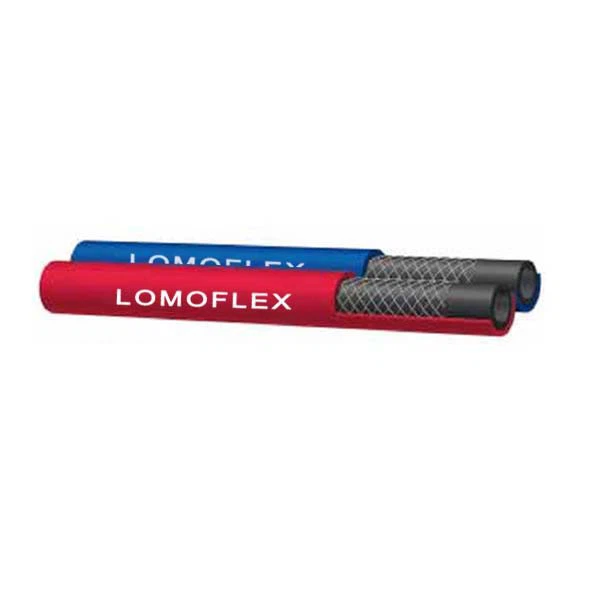
At [Supplier Name], we're committed to providing our customers with high-quality, reliable LPG hoses that meet the highest safety standards. If you're in the market for an LPG hose, we invite you to explore our extensive product range. We offer a wide variety of LPG hoses, including Rubber Air Hose and Twin Welding Hose, to meet your specific needs.
If you have any questions or need assistance in choosing the right LPG hose for your application, please don't hesitate to contact us. Our experienced sales team is ready to help you find the perfect solution. We look forward to working with you and providing you with the best LPG hose products and services.
References
- "LPG Hose Safety Guidelines," International Association of LPG Importers and Distributors.
- "Pressure Testing of Industrial Hoses," American Society of Mechanical Engineers (ASME).
- "Hose Selection and Application Guide," Hose Manufacturers Institute.