

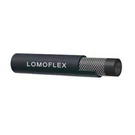


Hey there! As a supplier of fuel oil hoses, I've seen firsthand how crucial these components are in the aviation industry. In this blog, I'll break down the strict requirements for fuel oil hoses in aviation, sharing my real - world knowledge and experiences.
Material and Chemical Resistance
First off, the materials used in aviation fuel oil hoses need to be top - notch. The hoses are constantly in contact with aviation fuels, which are a complex mix of hydrocarbons. These fuels can be pretty aggressive, so the hoses must be made from materials that resist chemical degradation.
Typically, synthetic rubbers like nitrile rubber are popular choices. Nitrile rubber has excellent resistance to petroleum - based fuels, preventing swelling, cracking, or leaking that could lead to serious safety issues. It can handle the various additives and contaminants present in aviation fuel without breaking down over time.
Another important aspect is that the hoses must be resistant to oxidation. Oxygen in the air can react with the fuel and the hose material, causing degradation. Hoses need to be formulated with antioxidants to ensure long - term stability. For example, a hose made with a proper antioxidant system can last for years in an aviation environment, reducing the need for frequent replacements.
Pressure and Temperature Resistance
Aviation fuel systems operate under a wide range of pressures and temperatures. During takeoff, climb, and cruise, the fuel is pumped through the hoses at high pressures to ensure a consistent supply to the engines. So, fuel oil hoses need to be able to withstand these high - pressure conditions without bursting.
The pressure ratings of aviation fuel hoses are carefully specified. For example, in commercial airliners, hoses may need to handle pressures of several hundred pounds per square inch (psi). A well - designed hose will have a strong reinforcement layer, often made of high - strength synthetic fibers like aramid or polyester. These fibers provide the necessary strength to contain the high - pressure fuel.
Temperature is another critical factor. Aviation can take place in extreme cold at high altitudes and relatively warm conditions on the ground. Fuel oil hoses must remain flexible and functional across this wide temperature range. They need to be able to bend and flex without cracking in cold temperatures, say down to - 40°F or even lower. At the same time, they should not soften or lose their integrity in high - temperature environments, such as on a hot tarmac where temperatures can reach over 100°F.
Fire Resistance
Fire safety is of utmost importance in aviation. Fuel oil hoses must be fire - resistant to prevent the spread of fire in case of an engine fire or other fuel - related incidents. Many aviation fuel hoses are designed with fire - retardant materials in their construction.
These fire - retardant materials can slow down the burning process, giving the flight crew more time to take appropriate action in case of a fire. For example, a fire - resistant hose may have a special outer layer that chars when exposed to flames, creating a barrier that prevents the fire from reaching the fuel inside the hose.
Flexibility and Durability
In the tight spaces of an aircraft's fuel system, hoses need to be flexible enough to be routed easily. They should be able to bend around corners and fit into complex configurations without kinking. Kinking can restrict the flow of fuel, leading to engine performance issues.
At the same time, they must be durable. Aviation fuel hoses are subject to vibration, mechanical stress, and abrasion during flight. A durable hose will have a tough outer cover that can withstand these conditions. For instance, a hose with a thick, abrasion - resistant outer layer can resist damage from rubbing against other components in the aircraft.
Certification and Testing
All aviation fuel oil hoses must meet strict industry standards and certifications. These standards are set by organizations like the Federal Aviation Administration (FAA) in the United States and the European Union Aviation Safety Agency (EASA) in Europe.
Hoses go through a series of rigorous tests before they can be used in aviation. These tests include pressure testing, temperature cycling tests, chemical compatibility tests, and fire resistance tests. Only hoses that pass all these tests are certified for use in aircraft. As a supplier, we make sure that all our Fuel Oil Hose meet these strict standards.
Compatibility with Other Components
Fuel oil hoses in aviation need to be compatible with other components in the fuel system, such as connectors, valves, and pumps. The connections between the hose and these components must be leak - proof. A small fuel leak can not only waste fuel but also pose a significant safety risk.
The hoses should have the right size and fitting to ensure a proper connection. For example, the inner diameter of the hose must match the outlet of the pump or the inlet of the engine precisely. This compatibility ensures a smooth and efficient flow of fuel throughout the system.
Conclusion
In conclusion, the requirements for fuel oil hoses in aviation are extremely strict, and for good reason. Safety, performance, and reliability are the top priorities in the aviation industry, and fuel oil hoses play a vital role in achieving these goals.

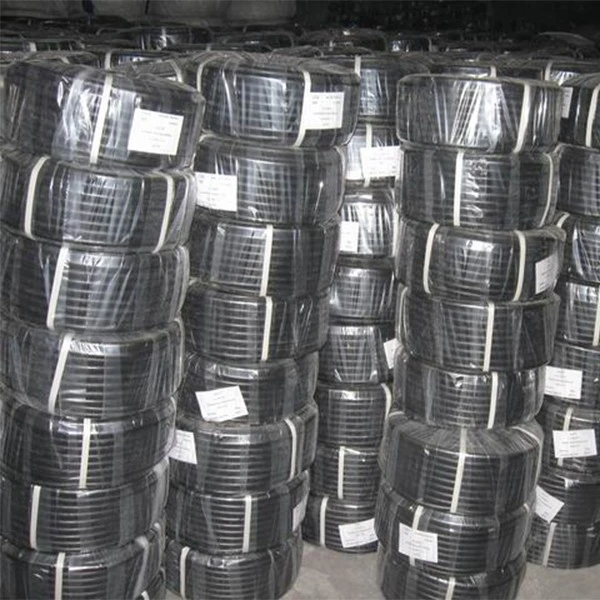
As a fuel oil hose supplier, we're committed to providing high - quality hoses that meet all these strict requirements. We also offer a range of other industrial hoses, such as Oxygen Acetylene Hose and Rubber Air Hose for various applications.
If you're in the aviation industry or any other industry that requires high - quality hoses, I encourage you to reach out to us for a detailed discussion. We can work together to find the perfect hose solution for your specific needs. Whether it's about the right material, pressure rating, or temperature resistance, we've got the expertise to help you make the best choice.
References
- Federal Aviation Administration (FAA) regulations on aviation fuel systems
- European Union Aviation Safety Agency (EASA) standards for aircraft components
- Industry research on aviation fuel hose materials and performance