



Hey there! As a supplier of special hydraulic hoses, I often get asked about the pressure stability characteristics of these nifty pieces of equipment. So, I thought I'd take some time to break it down for you all.
First off, let's understand what we mean by pressure stability in a hydraulic hose. In simple terms, it's the hose's ability to maintain its performance and integrity under different pressure conditions. A hose with good pressure stability can handle fluctuating pressures without bursting, leaking, or losing its shape.
One of the key factors that affect pressure stability is the construction of the hose. Special hydraulic hoses usually have multiple layers, each with a specific function. The inner tube is in direct contact with the hydraulic fluid, so it needs to be resistant to the fluid's chemical properties. It also has to be able to withstand the pressure of the fluid flowing through it.
The reinforcement layer is what gives the hose its strength. It can be made of various materials like braided steel wire, spiral-wound steel wire, or synthetic fibers. The type and arrangement of the reinforcement material play a big role in determining the hose's pressure rating. For example, hoses with multiple layers of braided steel wire can handle higher pressures compared to those with a single layer.
The outer cover protects the hose from external factors like abrasion, weather, and chemicals. A durable outer cover ensures that the hose remains in good condition even in harsh environments, which in turn helps maintain its pressure stability.


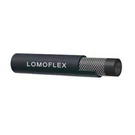
Now, let's talk about some of the special hydraulic hoses we offer. Take the Sae100 R7 Thermoplastic Hose. This hose is known for its excellent flexibility and lightweight design. It's made of thermoplastic materials, which gives it good resistance to kinking. In terms of pressure stability, the Sae100 R7 can handle moderate pressures effectively. The thermoplastic construction allows it to maintain its shape and performance even when the pressure varies within its rated range.
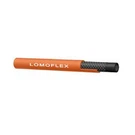
Another great option is the Sae100 R8 Thermoplastic Hose. Similar to the R7, it's also made of thermoplastic, but it has a different reinforcement structure. The Sae100 R8 is designed to handle slightly higher pressures than the R7. It's a popular choice in applications where a bit more pressure is required, but you still want the benefits of a lightweight and flexible hose.
One of the challenges in maintaining pressure stability is pressure spikes. These are sudden, short - term increases in pressure that can occur in a hydraulic system. Special hydraulic hoses need to be able to withstand these spikes without failing. Our hoses are designed with this in mind. The reinforcement layers are engineered to absorb the shock of pressure spikes, preventing damage to the inner tube and the overall structure of the hose.
Temperature also plays a crucial role in pressure stability. As the temperature changes, the properties of the hydraulic fluid and the hose materials can change. For example, at high temperatures, the fluid may become less viscous, which can lead to higher flow rates and potentially higher pressures. Our special hydraulic hoses are designed to perform well across a wide temperature range. The materials used in their construction are selected to maintain their mechanical properties, ensuring that the hose remains stable under different temperature and pressure combinations.
When it comes to testing the pressure stability of our hoses, we follow strict industry standards. We conduct pressure tests to determine the maximum pressure the hoses can handle without failure. These tests involve subjecting the hoses to increasing pressures until they reach their breaking point. We also perform cyclic pressure tests, where the hoses are exposed to repeated pressure cycles to simulate real - world operating conditions. This helps us ensure that our hoses can maintain their pressure stability over a long period of time.
In addition to pressure stability, we also focus on other important aspects like burst pressure and working pressure. The burst pressure is the maximum pressure a hose can withstand before it ruptures. Our hoses are designed with a significant safety margin between the working pressure (the normal operating pressure) and the burst pressure. This gives our customers peace of mind, knowing that the hoses can handle unexpected pressure increases without failing.
So, if you're in the market for special hydraulic hoses, it's important to consider the pressure stability characteristics. Whether you need a hose for a low - pressure application or a high - pressure one, we've got you covered. Our Sae100 R7 and Sae100 R8 thermoplastic hoses are just a couple of examples of the high - quality products we offer.
If you're interested in learning more about our special hydraulic hoses or have any questions about pressure stability, feel free to reach out. We're always happy to help you find the right hose for your specific needs. Whether you're in the construction, agriculture, or manufacturing industry, we can provide you with hoses that offer reliable pressure stability and long - term performance. Don't hesitate to contact us for a quote or to discuss your requirements in detail.
References
- Hydraulic Hose Handbook, Industry Standard Publication
- Technical Documentation on Sae100 R7 and Sae100 R8 Thermoplastic Hoses