



Can an LPG hose be used in a dirty environment? This is a question that often comes up among our customers, and as a leading LPG hose supplier, we're here to provide a comprehensive answer.
Understanding LPG Hoses
LPG hoses are designed to transport liquefied petroleum gas (LPG) safely from one point to another. These hoses are made from high - quality materials that can withstand the pressure and chemical properties of LPG. The most common materials used in LPG hoses include synthetic rubber compounds, which offer excellent resistance to LPG, ozone, and weathering.
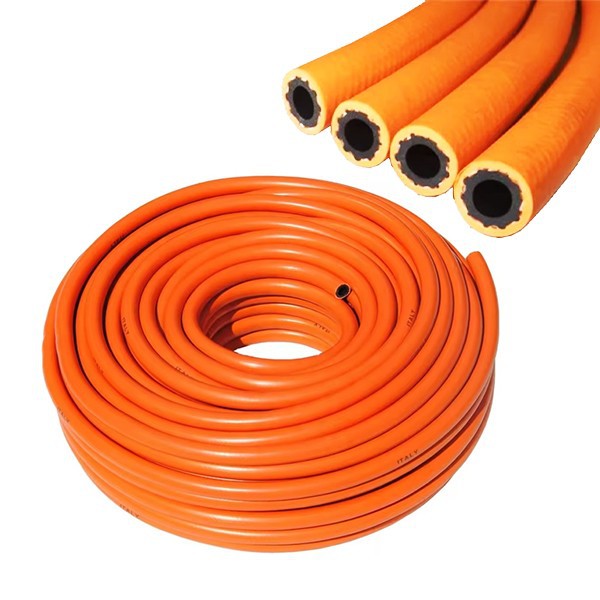
The construction of an LPG hose typically consists of an inner tube, reinforcement layers, and an outer cover. The inner tube is in direct contact with the LPG and is made of a material that is impermeable to the gas. The reinforcement layers provide strength and prevent the hose from bursting under pressure. The outer cover protects the hose from external factors such as abrasion, sunlight, and moisture.
The Impact of a Dirty Environment
A dirty environment can present several challenges to the performance and lifespan of an LPG hose. Dirt, dust, and debris can accumulate on the outer surface of the hose, which may lead to abrasion. Abrasion can wear down the outer cover of the hose, exposing the reinforcement layers and potentially the inner tube. Once the inner tube is exposed, there is a risk of LPG leakage, which is extremely dangerous as LPG is highly flammable.
In addition to abrasion, a dirty environment may also contain chemicals or corrosive substances. For example, in industrial settings, there may be chemicals such as acids or alkalis that can react with the materials of the LPG hose. These chemical reactions can weaken the hose structure, reduce its flexibility, and ultimately lead to failure.
However, not all dirty environments are the same. Some dirty environments may only have light dust and dirt, while others may be heavily contaminated with chemicals or abrasive materials. The suitability of an LPG hose in a dirty environment depends on the severity of the dirt and the specific design and construction of the hose.
Factors Affecting the Use of LPG Hoses in Dirty Environments
- Outer Cover Material: The outer cover of an LPG hose plays a crucial role in protecting it from a dirty environment. Hoses with a thick and durable outer cover made of abrasion - resistant materials such as neoprene or nitrile rubber are better suited for dirty environments. These materials can withstand a certain degree of abrasion and protect the inner layers of the hose.
- Reinforcement Design: The reinforcement layers of the hose provide strength and stability. Hoses with multiple layers of high - strength reinforcement, such as braided or spiral - wound steel wires or synthetic fibers, are more resistant to damage in dirty environments. These reinforcement designs can prevent the hose from bursting even if the outer cover is partially worn.
- Chemical Resistance: If the dirty environment contains chemicals, the LPG hose must have good chemical resistance. Some hoses are specifically designed to resist certain chemicals, and it's important to choose a hose that is compatible with the chemicals present in the environment.
Our LPG Hoses and Dirty Environments
At our company, we offer a range of Lpg Hose that are suitable for various environments, including dirty ones. Our hoses are constructed with high - quality materials and advanced manufacturing techniques to ensure maximum durability and safety.
Our outer covers are made of premium synthetic rubber compounds that are highly resistant to abrasion, ozone, and weathering. The reinforcement layers are carefully engineered to provide excellent strength and flexibility. We also offer hoses with enhanced chemical resistance for use in environments where chemicals are present.
Before recommending a hose for a dirty environment, we conduct a detailed assessment of the specific conditions. We consider factors such as the type of dirt, the presence of chemicals, and the level of abrasion. Based on this assessment, we can provide our customers with the most suitable LPG hose for their needs.
Comparison with Other Rubber Hoses
It's interesting to compare LPG hoses with other types of rubber hoses, such as Rubber Water Hose and Rubber Air Hose. While these hoses also have to withstand certain environmental conditions, the requirements for LPG hoses are much more stringent.

Rubber water hoses are mainly used for transporting water, and their main concerns are water pressure and resistance to water - borne contaminants. They may not have the same level of chemical resistance or strength as LPG hoses, especially when it comes to withstanding the pressure and chemical properties of LPG.
Rubber air hoses are used for transporting compressed air. They are designed to handle air pressure and may have different flexibility and durability requirements compared to LPG hoses. In a dirty environment, an air hose may be more focused on preventing dust from entering the system, while an LPG hose has to prevent LPG leakage in addition to dealing with dirt and abrasion.
Maintenance in Dirty Environments
Even if an LPG hose is designed for a dirty environment, proper maintenance is essential to ensure its long - term performance and safety. Regular inspections should be carried out to check for signs of wear, damage, or leakage. The hose should be cleaned regularly to remove dirt and debris. If any damage is detected, the hose should be repaired or replaced immediately.
In addition, it's important to follow the manufacturer's guidelines for storage and handling of the hose. Hoses should be stored in a clean and dry place when not in use to prevent further damage.
Conclusion
In conclusion, an LPG hose can be used in a dirty environment, but it depends on several factors. The design and construction of the hose, the severity of the dirt, and proper maintenance all play important roles in determining its suitability. At our company, we are committed to providing high - quality LPG hoses that can meet the needs of various environments, including dirty ones.
If you are in need of an LPG hose for a dirty environment or have any questions about our products, please feel free to contact us. We have a team of experts who can provide you with professional advice and help you choose the most suitable hose for your specific requirements. We look forward to the opportunity to work with you and ensure the safe and efficient operation of your LPG systems.
References
- Hose Manufacturers Institute. (20XX). Technical Guidelines for Industrial Hoses.
- American Society of Mechanical Engineers (ASME). (20XX). Standards for Pressure - Containing Hoses.