

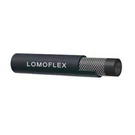
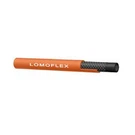


Hey there! As a supplier of suction and discharge hoses, I often get asked about the heat resistance of these hoses. It's a crucial factor, especially when you're using the hoses in various industrial or commercial settings. So, let's dive right in and explore what the heat resistance of suction and discharge hoses is all about.
First off, let's understand why heat resistance matters. In many applications, suction and discharge hoses are exposed to high - temperature substances or environments. For example, in some industrial processes, hot water or steam might be transferred through these hoses. In the oil industry, hoses are used to handle hot oil. If a hose doesn't have adequate heat resistance, it can lead to a whole bunch of problems. The hose material might degrade, become brittle, or even melt. This not only shortens the lifespan of the hose but also poses safety risks, like leaks or bursts that can cause damage to equipment and endanger workers.
Now, the heat resistance of suction and discharge hoses depends on several factors. One of the most important is the material the hose is made of. Different materials have different heat - handling capabilities.


Rubber is a common material for these hoses. Natural rubber, for instance, has a relatively low heat resistance. It can usually handle temperatures up to around 60 - 80 degrees Celsius. Beyond that, it starts to break down. Synthetic rubbers, on the other hand, offer better heat resistance. Neoprene rubber can withstand temperatures up to about 120 degrees Celsius. It's often used in applications where there's exposure to moderate heat, like in some water - based systems.
EPDM (Ethylene Propylene Diene Monomer) rubber is another great option. It can handle temperatures ranging from - 40 to 150 degrees Celsius. This wide temperature range makes it suitable for a variety of applications, including those in outdoor environments where temperatures can vary significantly. EPDM hoses are often used in the chemical and food industries because they're also resistant to many chemicals and are non - toxic.
Silicone rubber is known for its excellent heat resistance. It can handle temperatures from - 60 to 230 degrees Celsius. This makes it ideal for high - temperature applications, such as in the automotive and aerospace industries. Silicone hoses are also very flexible, which is a plus in many setups.
Thermoplastic materials are also used in suction and discharge hoses. PVC (Polyvinyl Chloride) hoses have a heat resistance of up to about 60 - 70 degrees Celsius. They're relatively inexpensive and are commonly used in low - temperature and low - pressure applications, like in some home gardening or small - scale water transfer setups.
Polyurethane hoses offer better heat resistance compared to PVC. They can handle temperatures up to around 80 - 100 degrees Celsius. Polyurethane hoses are also very durable and abrasion - resistant, which makes them suitable for more rugged applications.
In addition to the material, the construction of the hose also affects its heat resistance. Hoses with multiple layers can often handle higher temperatures. The inner layer, for example, might be made of a heat - resistant material, while the outer layer provides protection against physical damage. Reinforcement layers, such as braided or spiral - wound fibers, can also enhance the hose's ability to withstand heat. These reinforcement layers help maintain the hose's shape under high - temperature conditions and prevent it from collapsing or bursting.
Let's talk about some specific applications and the heat - resistant hoses needed for them.
If you're dealing with water transfer, and the water is hot, you'll want a hose with decent heat resistance. The Suction and Discharge Water Hose we offer comes in different materials. For moderately hot water, an EPDM - based hose would be a great choice. It can handle the heat and is also resistant to water and many chemicals that might be present in the water.
In the oil industry, the situation is a bit different. Oil can get very hot, especially in refineries or in engines. That's where a Suction and Discharge Oil Hose with high heat resistance is essential. A silicone or a high - performance synthetic rubber hose would be suitable here. These hoses can handle the high temperatures of the oil without degrading and are also resistant to the chemicals in the oil.
When you're choosing a suction and discharge hose based on heat resistance, you also need to consider other factors. Pressure is one of them. High - pressure applications might require a hose with a more robust construction, even if the temperature is relatively low. Compatibility with the fluid being transferred is another important factor. Some fluids might react with certain hose materials, even if the hose has good heat resistance.
It's also important to maintain the hoses properly to ensure their heat resistance remains intact. Avoid exposing the hoses to temperatures higher than their rated capacity for extended periods. Regularly inspect the hoses for signs of wear, such as cracks or softening. If you notice any issues, replace the hose immediately to prevent any safety hazards.
In conclusion, understanding the heat resistance of suction and discharge hoses is crucial for making the right choice for your application. Whether you're in the water, oil, chemical, or any other industry, choosing a hose with the appropriate heat - handling capabilities can save you a lot of headaches in the long run.
If you're in the market for suction and discharge hoses and need help figuring out the best option for your heat - related requirements, don't hesitate to reach out. We're here to offer you expert advice and high - quality hoses that meet your needs. Contact us to start the procurement process and let's find the perfect hose solution together.
References:
- Handbook of Industrial Hoses
- Rubber and Plastic Materials for Industrial Applications