



Yeah, so you're probably wondering if there are any LPG hoses with a color - coded system. Well, let me tell you, as an LPG hose supplier, I've got some insights to share on this.
First off, color - coded systems are super useful in a lot of industries. They make it easier to quickly identify different types of hoses and what they're used for. In the case of LPG hoses, a color - coded system can be a real game - changer. It helps in preventing mix - ups, especially in busy work environments like gas stations, industrial plants, or places where multiple types of hoses are used.
Let's talk about the benefits of having a color - coded system for LPG hoses. One of the biggest advantages is safety. When workers can quickly tell an LPG hose from other types of hoses just by looking at the color, it reduces the risk of using the wrong hose for a particular job. For example, if someone accidentally uses a regular water hose instead of an LPG hose to transfer liquefied petroleum gas, it can lead to some serious and dangerous situations. A color - coded system acts as a visual cue, making sure that the right hose is always used for the right purpose.
Another benefit is efficiency. In a large industrial setting, time is money. Workers don't have to stop and read labels or check specifications every time they need to use a hose. They can just grab the hose of the right color and get the job done. This saves time and increases productivity.
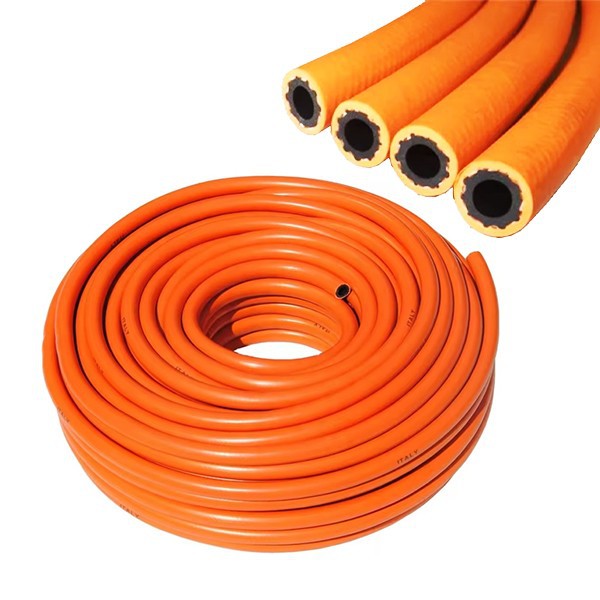
Now, the question is, are there actually LPG hoses with a color - coded system? The answer is yes. There are standards in place that recommend or sometimes even require color - coding for different types of hoses. For LPG hoses, a specific color might be assigned to indicate that it's designed for use with liquefied petroleum gas. This color is usually chosen to be distinct from other common hose colors used for different fluids like water, fuel oil, or oxygen.
As an LPG hose supplier, we understand the importance of following these color - coding standards. We make sure that our LPG hoses are clearly marked with the appropriate color. This not only helps our customers in terms of safety and efficiency but also shows that we're committed to providing high - quality and compliant products.
When it comes to comparing LPG hoses with other types of hoses, it's important to note the differences. For example, Fuel Oil Hose is used for transferring fuel oil, and it has different requirements in terms of material and pressure ratings compared to LPG hoses. Fuel oil is a different type of fluid, and the hose needs to be able to withstand the specific properties of fuel oil. Similarly, Oxygen Acetylene Hose is used in welding applications, and it's designed to handle the high - pressure and reactive nature of oxygen and acetylene gases.
Our LPG hoses, on the other hand, are specifically engineered to handle the unique characteristics of liquefied petroleum gas. They're made from materials that are resistant to the corrosive effects of LPG and can withstand the pressure changes associated with its use. And with our color - coded system, it's easy for our customers to distinguish them from other hoses.
If you're in the market for LPG hoses, you might be wondering how to choose the right one. Well, besides looking at the color - coding, you also need to consider factors like the length of the hose, the diameter, and the pressure rating. The length of the hose depends on your specific application. If you need to transfer LPG over a long distance, you'll need a longer hose. The diameter of the hose affects the flow rate of the gas. A larger diameter hose allows for a higher flow rate, but it might also be more expensive. The pressure rating is crucial because it determines the maximum pressure that the hose can safely handle.
At our company, we offer a wide range of LPG hoses to meet different customer needs. Whether you need a short hose for a small - scale application or a long, high - pressure hose for an industrial plant, we've got you covered. And all of our hoses come with the color - coded system for easy identification.
We also provide excellent customer service. Our team of experts is always ready to answer your questions and help you choose the right LPG hose for your specific requirements. We understand that every customer is unique, and we're committed to providing personalized solutions.
If you're interested in learning more about our LPG hoses or if you're ready to make a purchase, don't hesitate to get in touch. We're here to make the process as easy and hassle - free as possible. You can visit our website Lpg Hose to see our full range of products and get more information.
In conclusion, having a color - coded system for LPG hoses is a great idea. It improves safety, increases efficiency, and makes it easier for everyone involved in handling LPG. As an LPG hose supplier, we're proud to offer high - quality hoses with a clear and reliable color - coded system. So, if you need LPG hoses, give us a chance to serve you. We'll make sure you get the best products and the support you need.

References
- Industry standards on hose color - coding
- Technical specifications of LPG hoses
- Research on safety and efficiency in hose usage