



Hey there! As a supplier of twin welding hoses, I've seen firsthand how important it is to store these hoses properly. A well - stored twin welding hose not only lasts longer but also ensures optimal performance. So, let's dive into the nitty - gritty of proper twin welding hose storage.
Why Proper Storage Matters
First off, you might be wondering why storing your twin welding hose correctly is such a big deal. Well, twin welding hoses are made of materials that can be sensitive to various environmental factors. If they're not stored right, they can develop cracks, leaks, or other forms of damage. This not only means you'll have to replace the hose sooner but can also pose safety risks during welding operations.
Ideal Storage Conditions
Temperature
The temperature plays a huge role in hose storage. You want to keep your twin welding hoses in an area where the temperature is relatively stable. Extreme heat can cause the rubber in the hoses to soften and lose its shape, while extreme cold can make it brittle and more prone to cracking. A temperature range of around 40°F to 80°F (4°C to 27°C) is generally ideal. Avoid storing the hoses in direct sunlight or near heat sources like furnaces or welding equipment that can generate a lot of heat.
Humidity
High humidity can lead to mold and mildew growth on the hoses, which can weaken the material over time. Try to store the hoses in a dry environment. If you're in a particularly humid area, you might consider using a dehumidifier in the storage space.
Chemical Exposure
Keep your twin welding hoses away from chemicals, solvents, and oils. These substances can degrade the rubber material of the hoses. For example, if there are cleaning agents or lubricants in the storage area, make sure they're properly sealed and stored at a safe distance from the hoses.
Storage Methods
Coiling
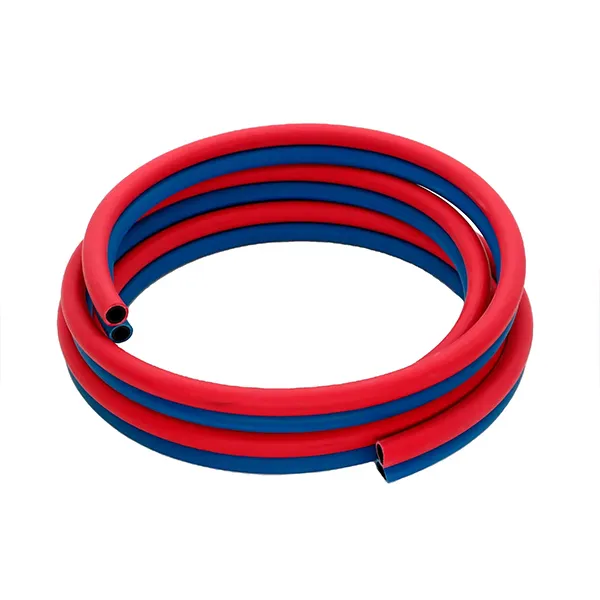
One of the most common ways to store twin welding hoses is by coiling them. When coiling, make sure to do it gently to avoid kinking. Start from one end of the hose and create even, loose coils. You can use a hose reel or simply coil it by hand. A hose reel is a great option as it keeps the hose organized and makes it easy to unroll when you need to use it.
Hanging
Hanging the twin welding hoses is another good storage method. You can use hooks or a hose rack to hang the hoses vertically. This helps prevent the hoses from getting flattened or crushed, which can damage the internal structure. Make sure the hooks or rack are strong enough to support the weight of the hoses.
Stacking
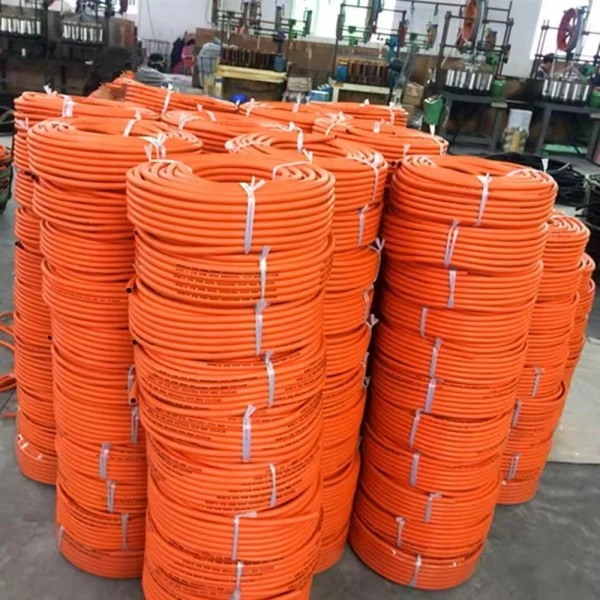
If you have multiple twin welding hoses, you can stack them, but be careful not to stack them too high. Stacking can put pressure on the hoses at the bottom, which can cause deformation. Try to stack them in a way that distributes the weight evenly.
Inspection Before Storage
Before you store your twin welding hoses, it's important to inspect them for any signs of damage. Check for cuts, abrasions, or leaks. If you find any issues, it's best to repair or replace the hose before storing it. You can use a simple pressure test to check for leaks. Just connect the hose to a pressure source and look for any bubbles indicating a leak.
Regular Maintenance
Even when the hoses are in storage, they need some maintenance. Periodically check the stored hoses for any signs of damage or deterioration. If you notice any changes, take appropriate action. You can also clean the hoses with a mild soap and water solution to remove any dirt or debris.
Additional Tips
- Labeling: Label your twin welding hoses with important information like the date of purchase, the type of gas they're used for, and any other relevant details. This makes it easier to keep track of the hoses and ensures you're using them correctly.
- Separate Storage: If you're storing different types of hoses, like Lpg Hose or Rubber Water Hose, keep them separate. Different hoses have different requirements, and storing them together can lead to cross - contamination or damage.
Conclusion
Proper storage of twin welding hoses is essential for their longevity and performance. By following the tips I've shared, you can ensure that your hoses are in top condition whenever you need them. If you're in the market for high - quality twin welding hoses, we're here to help. Our Twin Welding Hose is designed to meet the highest standards of quality and durability. If you're interested in purchasing our twin welding hoses or have any questions, don't hesitate to reach out. We're more than happy to assist you with your welding hose needs.
References
- Welding Equipment Manufacturer's Association (WEMA) guidelines on hose storage.
- Industry best practices for rubber hose storage.