

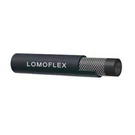
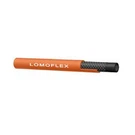


Hey there! As a supplier of special hydraulic hoses, I've seen my fair share of dirty and clogged hoses. Cleaning a special hydraulic hose isn't just about making it look good; it's crucial for its performance and longevity. In this blog, I'm gonna walk you through the steps to clean a special hydraulic hose effectively.
Why Cleaning Special Hydraulic Hoses is Important
First off, let's talk about why it's so important to keep your special hydraulic hoses clean. Hydraulic systems rely on the smooth flow of fluid through the hoses. If the hoses are dirty or clogged, it can lead to reduced performance, increased wear and tear, and even system failures. Plus, a clean hose is less likely to develop leaks, which can be a major headache and a safety hazard.
Tools and Materials You'll Need
Before you start cleaning, you'll need to gather a few tools and materials. Here's what you'll need:
- Cleaning Solution: You can use a mild detergent or a specialized hydraulic hose cleaner. Make sure it's compatible with the type of hose you're cleaning.
- Soft Brush: A soft-bristled brush will help you remove dirt and debris from the hose without damaging it.
- Water: You'll need plenty of clean water to rinse the hose.
- Compressed Air: Compressed air can be used to blow out any remaining debris from the hose.
- Safety Gear: Wear gloves and safety glasses to protect yourself from the cleaning solution and any debris.
Step-by-Step Cleaning Process
Now that you have all the tools and materials, let's get started with the cleaning process. Here are the steps:


- Disconnect the Hose: Before you start cleaning, make sure the hydraulic system is turned off and the pressure is released. Then, disconnect the hose from the system.
- Inspect the Hose: Take a close look at the hose for any signs of damage, such as cracks, leaks, or abrasions. If you find any damage, it's best to replace the hose.
- Flush the Hose: Use a high-pressure water hose to flush out any loose dirt and debris from the inside of the hose. Make sure to flush both ends of the hose.
- Soak the Hose: Fill a bucket with the cleaning solution and soak the hose in it for at least 30 minutes. This will help loosen any stubborn dirt and grime.
- Scrub the Hose: Use the soft brush to scrub the outside of the hose, paying special attention to any areas that are particularly dirty. Be careful not to scrub too hard, as this could damage the hose.
- Rinse the Hose: Use the high-pressure water hose to rinse the hose thoroughly, making sure to remove all the cleaning solution.
- Blow Out the Hose: Use compressed air to blow out any remaining water and debris from the hose. Make sure to blow from both ends of the hose.
- Inspect the Hose Again: Once the hose is dry, inspect it again to make sure it's clean and free of any damage.
- Reconnect the Hose: If the hose passes the inspection, reconnect it to the hydraulic system.
Tips for Cleaning Special Hydraulic Hoses
Here are a few tips to help you clean your special hydraulic hoses more effectively:
- Use the Right Cleaning Solution: Make sure the cleaning solution you use is compatible with the type of hose you're cleaning. Using the wrong cleaning solution can damage the hose.
- Be Gentle: When scrubbing the hose, be gentle to avoid damaging it. Use a soft-bristled brush and apply light pressure.
- Rinse Thoroughly: Make sure to rinse the hose thoroughly to remove all the cleaning solution. Any remaining cleaning solution can cause damage to the hose.
- Dry the Hose Completely: After rinsing the hose, make sure to dry it completely before reconnecting it to the hydraulic system. Any remaining water can cause corrosion and damage to the hose.
- Clean Regularly: To keep your special hydraulic hoses in good condition, it's important to clean them regularly. How often you clean them will depend on how often they're used and the environment they're in.
Different Types of Special Hydraulic Hoses
As a special hydraulic hose supplier, I offer a variety of hoses to meet different needs. Two popular types of hoses are the Sae100 R7 Thermoplastic Hose and the Sae100 R8 Thermoplastic Hose.
The Sae100 R7 Thermoplastic Hose is a lightweight, flexible hose that's ideal for applications where space is limited. It's made of a thermoplastic material that's resistant to abrasion, chemicals, and high temperatures. The Sae100 R8 Thermoplastic Hose is similar to the R7, but it has a higher pressure rating and is more suitable for heavy-duty applications.
Contact for Procurement
If you're in the market for special hydraulic hoses, I'd love to hear from you. Whether you need the Sae100 R7 Thermoplastic Hose, the Sae100 R8 Thermoplastic Hose, or any other type of special hydraulic hose, I can help. Just reach out to discuss your requirements and we can work together to find the perfect solution for your needs.
References
- "Hydraulic Hose Maintenance and Care," Hydraulics & Pneumatics Magazine
- "Cleaning and Maintaining Hydraulic Hoses," Fluid Power Journal