



Hey there! As a fuel oil hose supplier, I've seen a lot of questions about the differences between male and female fuel oil hose fittings. So, I thought I'd break it down for you in this blog post.
First off, let's talk about what fuel oil hose fittings are. They're basically the connectors that attach the fuel oil hose to other parts of a system, like pumps, tanks, or engines. These fittings come in two main types: male and female.
Male fittings are designed to insert into female fittings. They usually have external threads that screw into the internal threads of a female fitting. Think of it like a plug and a socket. The male fitting is the plug, and the female fitting is the socket. This design allows for a secure and leak - proof connection.
On the other hand, female fittings have internal threads. They're like the receptacles that accept the male fittings. When you're putting together a fuel oil hose system, you need to make sure that the male and female fittings match in terms of size and thread type.
One of the key differences between male and female fuel oil hose fittings is their physical appearance. Male fittings are typically more elongated, with the threads on the outside. Female fittings, in contrast, are more like a cavity with the threads on the inside. This difference in appearance makes it easy to tell them apart at a glance.
Another difference lies in their installation process. Installing a male fitting often involves screwing it into a female fitting. You need to be careful to align the threads properly to avoid cross - threading, which can lead to leaks. With female fittings, you're waiting for the male fitting to be inserted and screwed in. It's a bit of a give - and - take process, but once you get the hang of it, it's pretty straightforward.
When it comes to functionality, both male and female fittings play crucial roles. The male fitting is responsible for providing the connection point that can be inserted into other components. It's like the bridge that links the hose to the rest of the system. The female fitting, on the other hand, acts as the anchor. It holds the male fitting in place and ensures a tight seal.
In terms of material, both male and female fuel oil hose fittings can be made from a variety of materials. Common materials include brass, stainless steel, and plastic. Brass is a popular choice because it's corrosion - resistant and relatively easy to work with. Stainless steel is even more durable and can withstand harsh environments. Plastic fittings are lightweight and cost - effective, but they may not be as strong as metal ones.
Now, let's talk about some of the practical implications of these differences. If you're working on a fuel oil hose system, you need to make sure you have the right combination of male and female fittings. Using the wrong type can lead to leaks, which can be not only messy but also dangerous. For example, a fuel oil leak can pose a fire hazard.
When selecting male and female fuel oil hose fittings, you also need to consider the size of the hose. The fittings need to be compatible with the diameter of the hose. If the fitting is too small, it won't fit properly. If it's too large, it may not create a tight seal.
As a fuel oil hose supplier, I've seen customers make all sorts of mistakes when it comes to choosing the right fittings. Some people assume that all male and female fittings are the same, but that's not the case. Different applications may require different types of fittings. For example, if you're dealing with high - pressure fuel oil systems, you'll need fittings that can handle the pressure.
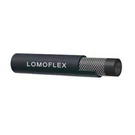
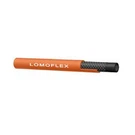
If you're in the market for fuel oil hoses and fittings, I'd like to introduce you to some of our products. We offer a wide range of Fuel Oil Hose that are designed to meet various needs. Our hoses are made from high - quality materials and are built to last.
In addition to fuel oil hoses, we also have Rubber Air Hose and Lpg Hose. These hoses are also available with different types of male and female fittings. Whether you're working on a small - scale project or a large - scale industrial application, we've got you covered.
If you're interested in learning more about our products or have any questions about male and female fuel oil hose fittings, feel free to reach out. We're here to help you find the right solutions for your needs. Our team of experts can provide you with detailed information and guidance on choosing the best fittings for your fuel oil hose system.
In conclusion, understanding the differences between male and female fuel oil hose fittings is crucial for anyone working with fuel oil systems. By knowing the physical differences, installation processes, and functionality of these fittings, you can ensure a safe and efficient system. And if you're looking for high - quality fuel oil hoses and fittings, don't hesitate to contact us. We're ready to assist you in your procurement process.
References:


- Industry standards for fuel oil hose fittings
- Manufacturer's specifications for fuel oil hoses and fittings