



As a supplier of oxygen acetylene hoses, I've encountered numerous inquiries regarding the special requirements for connecting these essential hoses. In the welding and cutting industry, oxygen acetylene hoses are crucial components that facilitate the safe and efficient delivery of gases to the torch. Ensuring proper connection of these hoses is not only a matter of operational efficiency but also of safety.
Compatibility of Fittings
One of the primary requirements for connecting oxygen acetylene hoses is the compatibility of fittings. Oxygen and acetylene hoses use different types of fittings to prevent cross - connection, which could lead to extremely dangerous situations. Oxygen hoses typically have right - hand threaded fittings, while acetylene hoses use left - hand threaded fittings. This design feature is a safety measure to avoid accidentally connecting the wrong hoses to the wrong gases. For example, if oxygen were to mix with acetylene in an improper configuration, it could result in a violent explosion.
When selecting fittings for your oxygen acetylene hoses, it's essential to ensure that they are specifically designed for the respective gases. High - quality fittings made from materials such as brass are preferred due to their durability and resistance to corrosion. Using sub - standard or incompatible fittings can compromise the integrity of the hose connection and pose a significant safety risk.
Hose Length and Diameter
The length and diameter of the oxygen acetylene hoses also play a role in the connection requirements. The length of the hose should be carefully considered based on the specific application. Longer hoses may result in a pressure drop, which can affect the performance of the torch. For instance, if a welder needs to work at a considerable distance from the gas supply, a longer hose might be necessary, but it's important to ensure that the pressure remains within the acceptable range.

The diameter of the hose is another critical factor. A larger diameter hose allows for a greater flow of gas, which can be beneficial for high - demand applications. However, it's important to match the hose diameter with the requirements of the torch and the gas supply system. Using a hose with an incorrect diameter can lead to inefficient gas flow and potential safety hazards.
Pressure Ratings
Understanding the pressure ratings of oxygen acetylene hoses is vital when making connections. Each hose is designed to withstand a specific maximum pressure. Exceeding this pressure can cause the hose to rupture, leading to a gas leak or an explosion. Oxygen hoses typically have higher pressure ratings compared to acetylene hoses because oxygen is stored and delivered at higher pressures.
Before connecting the hoses, it's crucial to check the pressure ratings of both the hoses and the gas regulators. The regulators should be set to the appropriate pressure levels to ensure that the hoses are not subjected to excessive pressure. Regular inspection of the pressure gauges and regulators is also necessary to maintain safe operating conditions.
Inspection and Maintenance
Regular inspection and maintenance of oxygen acetylene hoses are essential requirements for proper connection. Before each use, the hoses should be visually inspected for any signs of damage, such as cuts, abrasions, or bulges. Damaged hoses should never be used, as they can pose a serious safety risk.
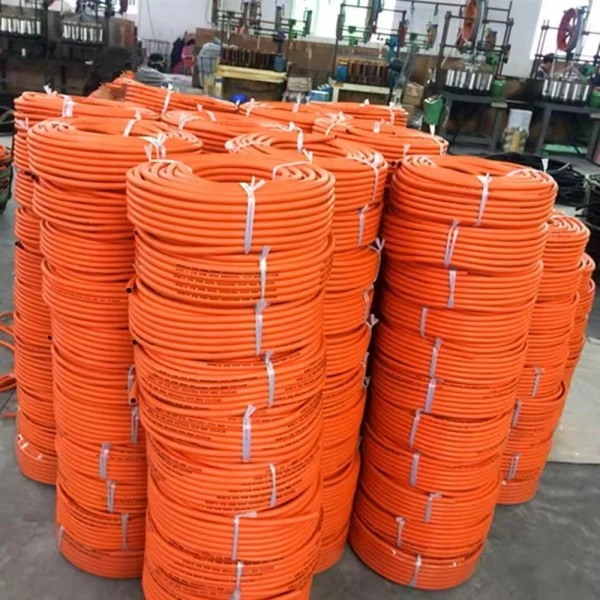
In addition to visual inspection, it's important to check the hose connections for tightness. Loose connections can result in gas leaks, which not only waste gas but also increase the risk of fire or explosion. Using a soap - water solution to check for leaks is a simple and effective method. If bubbles appear at the connection points, it indicates a leak, and the connection should be tightened or repaired immediately.
Environmental Considerations
The environment in which the oxygen acetylene hoses are used can also impact the connection requirements. For example, in extreme temperatures, the hoses may become brittle or lose their flexibility. In cold weather, it's important to ensure that the hoses are properly insulated to prevent them from cracking. In hot environments, the hoses should be protected from direct sunlight and excessive heat to avoid degradation.
Chemicals and other contaminants can also affect the integrity of the hoses. If the hoses come into contact with oil, grease, or other flammable substances, it can increase the risk of fire. Therefore, it's important to keep the hoses clean and away from potential contaminants.
Other Related Hoses
In addition to oxygen acetylene hoses, there are other types of hoses that are commonly used in industrial applications. For example, [Lpg Hose](/industrial - hose/rubber - hose/lpg - hose.html) is used for the transfer of liquefied petroleum gas. These hoses have their own set of connection requirements, which are designed to ensure the safe and efficient transfer of LPG.
[Rubber Water Hose](/industrial - hose/rubber - hose/rubber - water - hose.html) is another type of hose that is widely used for various water - related applications. The connection requirements for rubber water hoses are different from those of oxygen acetylene hoses, but they also require proper installation and maintenance to prevent leaks and ensure optimal performance.
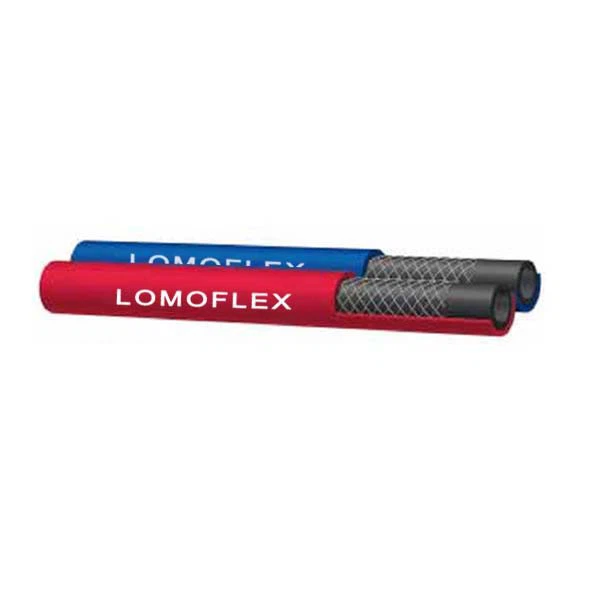
[Double Welding Hose](/industrial - hose/rubber - hose/twin - welding - hose.html) is often used in welding applications where a single hose can carry both oxygen and acetylene. When connecting twin welding hoses, it's important to follow the manufacturer's instructions carefully to ensure that the hoses are connected correctly and that the gases are delivered safely.
Conclusion
Connecting oxygen acetylene hoses requires careful attention to a variety of factors, including fitting compatibility, hose length and diameter, pressure ratings, inspection and maintenance, and environmental considerations. By following these special requirements, users can ensure the safe and efficient operation of their welding and cutting equipment.
If you are in the market for high - quality oxygen acetylene hoses or other industrial hoses, I encourage you to reach out to discuss your specific needs. Our team of experts is ready to assist you in selecting the right hoses and providing guidance on proper connection and maintenance.
References
- American Welding Society. Welding Handbook.
- Occupational Safety and Health Administration (OSHA) regulations on gas welding and cutting.
- Manufacturer's manuals for oxygen acetylene hoses and related equipment.