

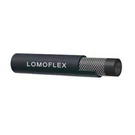
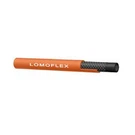


Hey there! As a supplier of oxygen acetylene hoses, I get asked a ton about the flow rate of oxygen and acetylene through these hoses. It's a super important topic, especially for folks in industries like welding and metalworking. So, let's dive right in and break it down.
First off, understanding the flow rate is crucial because it directly impacts the performance of your welding or cutting equipment. If the flow rate is too low, you might not get a proper flame, leading to inefficient work and potentially a poor-quality finish. On the other hand, if it's too high, you could waste gas and even risk creating a dangerous situation.
Let's start with oxygen. The flow rate of oxygen through an oxygen acetylene hose depends on several factors. One of the main factors is the size of the hose. A larger diameter hose generally allows for a higher flow rate. For example, a 1/4 - inch diameter hose will have a different flow capacity compared to a 3/8 - inch diameter hose.
Another factor is the pressure at which the oxygen is supplied. Oxygen is usually stored in high - pressure cylinders. The regulator on the cylinder controls the pressure that the gas is released at. Higher pressure can result in a greater flow rate through the hose. But it's important to note that the equipment you're using also has a maximum pressure and flow rate it can handle safely.
Typically, for small - scale welding operations, a flow rate of around 5 to 10 cubic feet per hour (CFH) of oxygen might be sufficient. However, for larger, more heavy - duty tasks like cutting thick metal plates, you might need a flow rate of 20 to 40 CFH or even higher.
Now, let's talk about acetylene. Acetylene is a highly flammable gas, and its flow rate through the hose is also affected by similar factors as oxygen. The size of the hose and the pressure are key players. But acetylene has some unique safety considerations.
Acetylene should never be used at pressures above 15 psi (pounds per square inch) because at higher pressures, it can become unstable and potentially explode. This limitation means that the flow rate of acetylene is often lower compared to oxygen for a given hose size.
For most common welding applications, a flow rate of 3 to 8 CFH of acetylene is common. When you're doing some light brazing or soldering, you might be on the lower end of that range. For more intense cutting or welding jobs, you'd move towards the higher end.
It's also important to mention that the length of the hose can affect the flow rate. A longer hose creates more resistance, which can reduce the flow rate. So, if you have a really long hose, you might need to adjust your equipment settings to maintain the desired flow rate.
When it comes to choosing the right oxygen acetylene hoses, we offer a wide range of options. Our hoses are designed to handle the specific pressures and flow rates required for different applications. And we don't just stop at oxygen acetylene hoses. We also have some great options for other industrial applications. Check out our [Rubber Air Hose](/industrial - hose/rubber - hose/rubber - air - hose.html), [Fuel Oil Hose](/industrial - hose/rubber - hose/fuel - oil - hose.html), and [Lpg Hose](/industrial - hose/rubber - hose/lpg - hose.html). These hoses are built to last and can meet the demands of various industries.
Proper maintenance of your oxygen acetylene hoses is also essential for maintaining the correct flow rate. Over time, hoses can develop leaks or get clogged. Regularly inspect your hoses for any signs of damage, such as cracks, cuts, or bulges. Make sure the connections are tight and free of debris. If you notice any issues, it's important to replace the hose or repair it as soon as possible.
Another thing to keep in mind is the environment in which the hoses are used. Extreme temperatures, chemicals, and physical abrasion can all affect the performance and lifespan of the hoses. If you're working in a harsh environment, make sure to choose hoses that are specifically designed to withstand those conditions.


Now, if you're in the market for high - quality oxygen acetylene hoses or any of our other industrial hoses, we're here to help. We've got a team of experts who can assist you in choosing the right products for your needs. Whether you're a small - scale DIYer or a large industrial operation, we've got the solutions for you.
Don't hesitate to reach out to us if you have any questions about flow rates, hose selection, or anything else related to our products. We're always happy to have a chat and help you make the best choices for your projects.
In conclusion, understanding the flow rate of oxygen and acetylene through hoses is vital for the safe and efficient operation of welding and cutting equipment. By considering factors like hose size, pressure, and application requirements, you can ensure that you're getting the most out of your equipment. And when it comes to finding the right hoses, we've got you covered. So, why wait? Contact us today to start discussing your hose needs.
References:
- Welding and Cutting Handbook, Various Industry Publications
- Oxygen and Acetylene Safety Guidelines, National Safety Organizations