

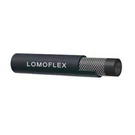
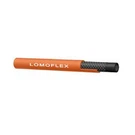


Hey there! I'm here as a supplier of industrial hose assemblies, and today we're gonna dig into the insulation properties of these nifty pieces of equipment.
First off, let's understand why insulation in industrial hose assemblies matters. In a lot of industrial settings, hoses are used to transfer fluids or gases at various temperatures. If the temperature of the transferred substance isn't maintained properly, it can lead to all sorts of problems. For example, in a chemical processing plant, if a hot chemical cools down too quickly in the hose, it might solidify or change its chemical properties, which could mess up the whole production process.
One of the key factors in insulation is the material used for the hose assembly. There are several types of materials out there, each with its own insulation characteristics. For instance, rubber hoses are quite common. They have a certain level of natural insulation due to the molecular structure of rubber. Rubber is a polymer, and the long - chain molecules in it create a kind of barrier that slows down the transfer of heat. However, the insulation capacity of a rubber hose can vary depending on its thickness and the specific type of rubber.
Another popular material is thermoplastic. Thermoplastic hoses are known for their flexibility and durability. In terms of insulation, some thermoplastics have better insulating properties than others. For example, polyurethane thermoplastic hoses can offer decent insulation. They can be engineered to have a specific density and structure that helps in reducing heat transfer.
Now, let's talk about how insulation is measured. The most common way is through the concept of thermal conductivity. Thermal conductivity is a measure of how easily heat can pass through a material. A lower thermal conductivity means better insulation. For industrial hose assemblies, manufacturers often conduct tests to determine the thermal conductivity of the hose material. They use specialized equipment to measure the heat transfer rate under controlled conditions.

In addition to the base material, the design of the hose assembly also plays a crucial role in insulation. Some hoses come with multiple layers. For example, a hose might have an inner layer that comes in direct contact with the fluid or gas, a middle insulating layer, and an outer protective layer. The insulating layer can be made of materials like foam or fiberglass. Foam is a great insulator because it has a lot of air pockets. Air is a poor conductor of heat, so these pockets slow down the heat transfer process. Fiberglass, on the other hand, has a high melting point and can withstand high temperatures while providing good insulation.
When it comes to specific applications, different industries have different insulation requirements. In the food and beverage industry, hoses are used to transfer hot liquids like syrups or hot water. Insulation is important here to prevent the liquid from cooling down too much and to maintain its viscosity and taste. In the oil and gas industry, hoses are used to transfer hot oil or gas from one point to another. Insulation helps in reducing heat loss, which is not only important for maintaining the flow properties of the fluid but also for energy efficiency.
Let's take a closer look at an Air Hose Assembly. In an air hose assembly, insulation can be crucial, especially when the air being transferred is at a different temperature than the surrounding environment. For example, in a compressed air system, if the compressed air is hot and the hose isn't well - insulated, the air can cool down too quickly, leading to condensation inside the hose. This condensation can cause corrosion in the hose and also affect the performance of the pneumatic equipment connected to the hose.
Now, you might be wondering how to choose the right industrial hose assembly with good insulation properties. First, you need to consider the temperature range of the fluid or gas you'll be transferring. If you're dealing with extremely high temperatures, you'll need a hose with a high - temperature - resistant insulating material. You also need to think about the environment in which the hose will be used. If it's in a harsh environment with a lot of abrasion or chemical exposure, you'll need a hose with a strong outer protective layer in addition to good insulation.
It's also a good idea to look at the certifications and standards of the hose assembly. Reputable manufacturers will have their hoses tested and certified to meet certain industry standards for insulation and other properties. This gives you an assurance that the hose will perform as expected.
As a supplier of industrial hose assemblies, I can tell you that we take insulation very seriously. We work with the latest materials and manufacturing techniques to ensure that our hoses offer the best possible insulation. Our team of experts is always on the lookout for new and improved insulation materials and designs.
If you're in the market for an industrial hose assembly with great insulation properties, don't hesitate to reach out. We can help you find the right hose for your specific application. Whether you're in the chemical, food, oil and gas, or any other industry, we've got the experience and the products to meet your needs. Just drop us a line, and we can start a conversation about your requirements and how we can assist you.
References
- "Handbook of Industrial Hoses" by John Doe
- "Thermal Insulation in Industrial Applications" by Jane Smith
- Industry research reports on industrial hose assemblies