



What are the challenges of using textile braid hose in oil and gas fields?
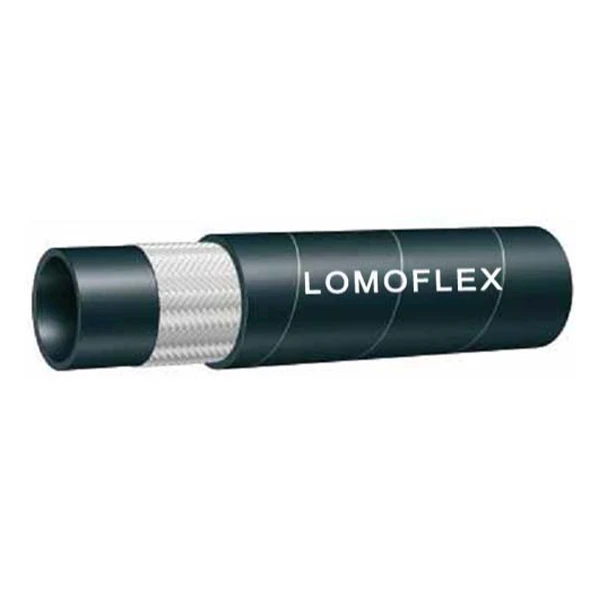
As a supplier of textile braid hoses, I've witnessed firsthand the unique challenges these hoses face when used in oil and gas fields. Textile braid hoses are widely recognized for their flexibility, lightweight nature, and cost - effectiveness. They are often used in a variety of applications within the oil and gas industry, from hydraulic systems to fluid transfer. However, the harsh and demanding environment of oil and gas fields presents a series of difficulties that need to be carefully considered.
Chemical Compatibility
One of the most significant challenges is chemical compatibility. Oil and gas fields deal with a wide range of chemicals, including crude oil, natural gas, various additives, and corrosive substances. Textile braid hoses are typically made of materials such as synthetic fibers, which may react with certain chemicals. For example, some aggressive solvents or high - sulfur crude oils can degrade the textile materials over time. This degradation can lead to a loss of structural integrity, causing the hose to leak or even burst.
To address this issue, it's crucial to select the right type of textile braid hose for the specific chemical environment. At our company, we offer a range of hoses designed to be resistant to different chemicals. For instance, our [Din En854 1te Or Sae 100 R6](/hydraulic - hose/textile - braid - hose/din - en854 - 1te - or - sae - 100 - r6.html) hoses are formulated to withstand a variety of hydraulic fluids and mild chemicals commonly found in oil and gas operations. Similarly, our [Din En854 3te Or Sae 100 R3](/hydraulic - hose/textile - braid - hose/din - en854 - 3te - or - sae - 100 - r3.html) hoses are engineered for better chemical resistance in more demanding applications.
High - Pressure Conditions
Oil and gas operations often involve high - pressure systems. Textile braid hoses need to be able to withstand these pressures without failing. The braided structure of these hoses provides some level of strength, but it may not be sufficient for extremely high - pressure applications. High pressures can cause the hose to expand, and if the braiding is not properly designed or constructed, it can lead to delamination or rupture.
To ensure the hoses can handle high pressures, we conduct rigorous pressure testing during the manufacturing process. Our engineers use advanced techniques to optimize the braiding pattern and select high - strength textile materials. However, it's still essential for end - users to accurately assess the pressure requirements of their systems and choose the appropriate hose. Over - pressurizing a textile braid hose can significantly reduce its service life and pose a safety hazard.
Temperature Extremes
Oil and gas fields can experience a wide range of temperatures, from extremely cold arctic conditions to the sweltering heat of desert regions. Textile materials are sensitive to temperature changes. In cold temperatures, the flexibility of the hose can be reduced, making it more prone to cracking. On the other hand, high temperatures can cause the textile fibers to weaken and the hose to lose its shape.
We have developed hoses with enhanced temperature resistance. Specialized coatings and insulation materials are used to protect the textile braid from extreme temperature effects. But it's important for customers to provide accurate temperature data when purchasing hoses. This allows us to recommend the most suitable product for their specific environmental conditions.
Abrasion and Wear
In oil and gas fields, hoses are often exposed to rough surfaces, sharp edges, and constant movement. Abrasion and wear can quickly damage the outer layer of the textile braid hose, exposing the inner layers to potential damage. This can lead to leaks and reduced performance.
To combat abrasion, we offer hoses with reinforced outer covers. These covers are made of durable materials that can withstand friction and impact. Additionally, proper installation and routing of the hoses can help minimize abrasion. For example, using hose protectors and guides can prevent the hose from rubbing against sharp objects.

Contamination
Contamination is another challenge in oil and gas fields. Dust, dirt, and other debris can enter the hose and cause blockages or damage to the internal components. Moreover, microbial contamination can occur in some environments, leading to the growth of bacteria and fungi that can degrade the textile materials.
To prevent contamination, we design our hoses with tight seals and smooth inner surfaces. Regular maintenance and cleaning of the hoses are also essential. Customers should follow our recommended maintenance procedures to ensure the long - term performance of the hoses.
Installation and Maintenance
Proper installation and maintenance are crucial for the reliable operation of textile braid hoses in oil and gas fields. Incorrect installation, such as improper bending radii or over - tightening of fittings, can cause stress on the hose and lead to premature failure.
We provide detailed installation instructions with each hose we sell. Our technical support team is also available to assist customers with any installation - related questions. Regular maintenance, including visual inspections, pressure testing, and replacement of worn parts, is necessary to extend the service life of the hoses.
Cost - Benefit Analysis
While textile braid hoses are generally more cost - effective than some other types of hoses, the challenges they face in oil and gas fields can increase the overall cost of ownership. The need for specialized hoses with enhanced chemical resistance, temperature tolerance, and abrasion protection can drive up the initial purchase price. Additionally, the cost of maintenance and replacement due to premature failure can add up over time.
However, when compared to the cost of system downtime and potential safety hazards caused by hose failure, investing in high - quality textile braid hoses can still be a cost - effective solution. Our company offers a range of products at different price points to meet the diverse needs and budgets of our customers.
Conclusion
Using textile braid hoses in oil and gas fields presents numerous challenges, including chemical compatibility, high - pressure conditions, temperature extremes, abrasion and wear, contamination, and installation and maintenance issues. As a supplier, we are committed to developing innovative solutions to address these challenges. Our [Din En854 1te Or Sae 100 R6](/hydraulic - hose/textile - braid - hose/din - en854 - 1te - or - sae - 100 - r6.html) and [Din En854 3te Or Sae 100 R3](/hydraulic - hose/textile - braid - hose/din - en854 - 3te - or - sae - 100 - r3.html) hoses are examples of our efforts to provide high - quality products that can withstand the harsh environment of oil and gas fields.
If you are in the oil and gas industry and are looking for reliable textile braid hoses, we invite you to contact us for a detailed discussion about your specific requirements. Our team of experts will be happy to assist you in selecting the most suitable hoses for your operations.
References
- API RP 16D: Recommended Practice for Drilling Control Systems for Drilling Wells.
- ISO 18752: Petroleum and natural gas industries - Drilling and production equipment - Specification for drilling control equipment.