



Hey there! As a supplier of SAE100R1AT hydraulic hoses, I often get asked about the temperature range for these bad boys. So, I thought I'd sit down and write a little something to clear up any confusion.
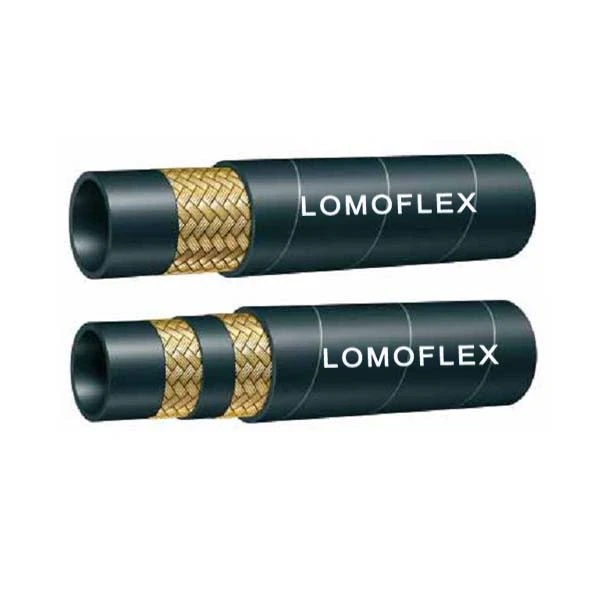
First off, let's talk a bit about what SAE100R1AT is. It's a type of hydraulic hose that's commonly used in a whole bunch of applications. Whether it's in construction equipment, agricultural machinery, or even some industrial setups, SAE100R1AT hoses are pretty versatile. They're designed to handle hydraulic fluids and transfer power efficiently. You can learn more about them SAE100R1AT.
Now, onto the main question: what's the temperature range for SAE100R1AT? Well, the typical temperature range for SAE100R1AT hoses is from -40°F to 212°F (-40°C to 100°C). This range is important because it determines where and how you can use these hoses.
At the lower end of the spectrum, -40°F (-40°C), the hose needs to be able to maintain its flexibility and integrity. Cold temperatures can make rubber and other materials brittle, which could lead to cracks and leaks. But SAE100R1AT hoses are built to withstand these frigid conditions. This makes them suitable for use in cold climates or applications where the equipment might be exposed to low temperatures, like in some northern construction sites during the winter.
On the other hand, at the upper end of the range, 212°F (100°C), the hose has to deal with heat. High temperatures can cause the rubber to break down over time, which can also lead to leaks and failures. The materials used in SAE100R1AT hoses are engineered to resist the effects of heat to a certain extent. However, if the temperature goes beyond this range, it's going to put a lot of stress on the hose, and you'll likely start seeing problems.
It's worth noting that the temperature range can also be affected by other factors. For example, the type of hydraulic fluid being used can play a role. Some fluids might have a higher or lower operating temperature, and that can impact how the hose performs. Also, the pressure in the hydraulic system can interact with the temperature. Higher pressures can sometimes increase the heat generated in the system, so you need to take that into account when considering the overall temperature environment for the hose.
If you're in an application where the temperature might fluctuate a lot, you need to make sure the SAE100R1AT hose can handle those changes. A sudden drop or rise in temperature can cause the hose to expand or contract, and if it's not designed to handle that properly, it can lead to issues.
Now, I know what you might be thinking. "What if I need a hose for a temperature range outside of -40°F to 212°F (-40°C to 100°C)?" Well, there are other options out there. For instance, Hydraulic Rubber Hose Sae100 R17 might be a better fit for some extreme temperature applications. It's always a good idea to consult with a professional to figure out the best hose for your specific needs.
Another thing to consider is the standard and quality of the hose. SAE100R1AT hoses are designed to meet certain industry standards, which helps ensure their performance and safety. But it's also important to buy from a reliable supplier. That's where we come in! As a supplier of SAE100R1AT hoses, we make sure that all our products meet or exceed the required standards. We test our hoses thoroughly to ensure they can handle the specified temperature range and other conditions.
In comparison to some other hoses, like Din En853 2sn, SAE100R1AT has its own unique features. While both are used in hydraulic systems, they might have different temperature ranges, pressure ratings, and other characteristics. So, it's crucial to understand the differences and choose the right hose for your application.
When you're looking to buy SAE100R1AT hoses, make sure you pay attention to the details. Check the specifications provided by the supplier to confirm the temperature range and other important factors. And if you have any questions, don't hesitate to reach out. We're here to help you make the right choice.
In conclusion, the temperature range for SAE100R1AT hoses is typically -40°F to 212°F (-40°C to 100°C). But remember, there are other factors that can affect how the hose performs in different temperature environments. If you're in the market for SAE100R1AT hoses or need advice on choosing the right hydraulic hose for your application, we'd love to hear from you. Contact us to start the conversation about your procurement needs.
References:
- Industry standards for SAE100R1AT hydraulic hoses
- Manufacturer's specifications for SAE100R1AT hoses