



Ensuring compatibility between an air hose assembly and an air tool is crucial for the efficient and safe operation of pneumatic systems. As a trusted air hose assembly supplier, I understand the challenges and importance of getting this right. In this blog post, I'll share some key considerations and steps to help you ensure a perfect match between your air hose assembly and air tool.
Understanding the Basics of Air Tools and Hose Assemblies
Before delving into compatibility, it's essential to understand the basic components and functions of air tools and hose assemblies. Air tools are powered by compressed air and come in various types, such as impact wrenches, drills, sanders, and spray guns. Each tool has specific requirements for air pressure, flow rate, and connection type.
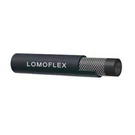
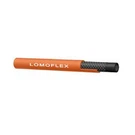
On the other hand, an Air Hose Assembly consists of a hose, fittings, and sometimes additional components like regulators and couplers. The hose is the conduit that carries compressed air from the air source to the tool, while the fittings connect the hose to the air source and the tool.
Matching Air Pressure Requirements
One of the most critical factors in ensuring compatibility is matching the air pressure requirements of the air tool with the pressure rating of the air hose assembly. Air tools typically have a recommended operating pressure range, which is usually specified in pounds per square inch (psi).

The air hose assembly must be able to withstand the maximum pressure that the air tool may encounter during operation. It's important to choose a hose assembly with a pressure rating that is equal to or higher than the maximum operating pressure of the air tool. For example, if an air tool has a maximum operating pressure of 100 psi, the air hose assembly should have a pressure rating of at least 100 psi or higher.
Exceeding the pressure rating of the air hose assembly can lead to hose failure, which can be dangerous and cause damage to the air tool and other equipment. On the other hand, using a hose assembly with a pressure rating that is too high may result in unnecessary cost and weight.
Considering Air Flow Rate
In addition to air pressure, the air flow rate is another important factor to consider. The air flow rate, measured in cubic feet per minute (cfm), determines how much air the air tool needs to operate efficiently.
The air hose assembly must be able to deliver the required air flow rate to the air tool. The diameter and length of the hose play a significant role in determining the air flow rate. A larger diameter hose generally allows for a higher air flow rate, while a longer hose can cause a drop in air pressure and flow rate.
To ensure sufficient air flow, it's important to choose a hose with an appropriate diameter based on the air flow requirements of the air tool. As a general rule, the larger the air tool, the larger the hose diameter needed. For example, a small pneumatic drill may require a 1/4-inch diameter hose, while a large impact wrench may need a 3/8-inch or 1/2-inch diameter hose.
Selecting the Right Fittings
The fittings used in the air hose assembly are also crucial for compatibility. The fittings must be compatible with both the air tool and the air source. There are several types of fittings available, including quick-connect fittings, threaded fittings, and push-to-connect fittings.
Quick-connect fittings are the most common type of fittings used in pneumatic systems. They allow for easy and quick connection and disconnection of the air hose assembly to the air tool and the air source. When selecting quick-connect fittings, it's important to ensure that they are compatible with the specific type of air tool and the air source.
Threaded fittings are another option, especially for applications where a more secure connection is required. However, threaded fittings require more time and effort to install and remove compared to quick-connect fittings.
Push-to-connect fittings are a relatively new type of fittings that offer a simple and fast way to connect the air hose assembly. They are easy to install and remove, and they provide a reliable seal.
Evaluating Hose Material
The material of the air hose is another important consideration. Different materials have different properties, such as flexibility, durability, and resistance to chemicals and abrasion.
Rubber hoses are a popular choice for air hose assemblies due to their flexibility and durability. They can withstand high pressures and are resistant to kinking. However, rubber hoses may be heavier and more expensive compared to other types of hoses.
PVC hoses are lightweight and inexpensive, but they may not be as durable as rubber hoses. They are also more prone to kinking and may not be suitable for high-pressure applications.
Polyurethane hoses offer a good balance between flexibility, durability, and cost. They are lightweight, resistant to kinking, and can withstand moderate pressures.
Assessing Environmental Conditions
The environmental conditions in which the air hose assembly and air tool will be used also need to be considered. Factors such as temperature, humidity, and exposure to chemicals or abrasives can affect the performance and lifespan of the hose assembly.
If the air tool will be used in a high-temperature environment, it's important to choose a hose assembly that is rated for high temperatures. Similarly, if the air tool will be used in a wet or humid environment, a hose assembly that is resistant to moisture and corrosion should be selected.
In addition, if the air tool will be used in an environment where it may be exposed to chemicals or abrasives, a hose assembly that is resistant to these substances should be chosen.
Conducting Compatibility Tests
Once you have selected an air hose assembly that meets the requirements of the air tool, it's a good idea to conduct compatibility tests before using the system in a production environment. These tests can help identify any potential issues and ensure that the air tool and hose assembly work together smoothly.
To conduct a compatibility test, connect the air hose assembly to the air tool and the air source. Turn on the air supply and check for any leaks or abnormal noises. Operate the air tool at different settings and observe its performance. If there are any issues, such as reduced power or inconsistent operation, it may indicate a compatibility problem.
Conclusion
Ensuring compatibility between an air hose assembly and an air tool is essential for the efficient and safe operation of pneumatic systems. By considering factors such as air pressure, air flow rate, fittings, hose material, and environmental conditions, you can select the right air hose assembly for your air tool. Conducting compatibility tests before using the system can help identify and resolve any potential issues.
If you're in the market for a high-quality air hose assembly, I invite you to reach out to us for a consultation. Our team of experts can help you choose the right air hose assembly for your specific needs and ensure a perfect match with your air tool. Contact us today to start the conversation and explore our wide range of air hose assembly products.
References
- Pneumatic Systems Handbook
- Air Tool Manufacturer's Manuals
- Hose Assembly Industry Standards