

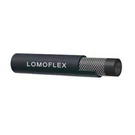
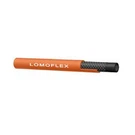


When it comes to hydraulic hoses, the SAE100 R5 stands out as a reliable option in various industrial applications. As a dedicated SAE100 R5 supplier, I am often asked about the fatigue resistance of this particular hose. In this blog post, I will delve into the concept of fatigue resistance, explain how it applies to SAE100 R5, and discuss its significance in practical use.
Understanding Fatigue Resistance
Fatigue resistance refers to a material's ability to withstand repeated loading and unloading cycles without failing. In the context of hydraulic hoses like SAE100 R5, these cycles can occur due to pressure fluctuations, vibrations, and mechanical movements during normal operation. Over time, these repeated stresses can cause microscopic cracks to form in the hose material. If the hose does not have adequate fatigue resistance, these cracks can grow and eventually lead to hose failure, which can result in leaks, system downtime, and potential safety hazards.
Factors Affecting the Fatigue Resistance of SAE100 R5
Several factors contribute to the fatigue resistance of SAE100 R5 hydraulic hoses.
Material Composition
The materials used in the construction of SAE100 R5 hoses play a crucial role in determining their fatigue resistance. The inner tube is typically made of synthetic rubber, which is selected for its compatibility with various hydraulic fluids and its ability to resist abrasion and chemical attack. A high - quality inner tube material can better withstand the internal pressure fluctuations and fluid flow, reducing the risk of internal damage that could initiate fatigue cracking.
The reinforcement layer is another key component. SAE100 R5 hoses are usually reinforced with textile braids. The type of textile, its weave pattern, and the number of braid layers all influence the hose's strength and fatigue resistance. A well - designed textile braid can distribute the stresses evenly across the hose, preventing localized stress concentrations that can lead to premature failure.
The outer cover is also important. It protects the inner components from external factors such as abrasion, ozone, and weathering. A durable outer cover can prevent damage to the reinforcement layer and inner tube, thereby maintaining the hose's overall integrity and fatigue resistance.

Hose Design
The design of the SAE100 R5 hose, including its diameter, wall thickness, and bend radius, affects its fatigue resistance. A larger diameter hose may be able to handle higher flow rates, but it may also be more susceptible to fatigue if the wall thickness is not properly optimized. Similarly, a smaller bend radius can cause increased stress on the hose during bending, which can accelerate fatigue. Therefore, proper design considerations are essential to ensure that the hose can withstand the expected operating conditions.
Operating Conditions
The operating conditions under which the SAE100 R5 hose is used have a significant impact on its fatigue resistance. High - pressure applications subject the hose to greater internal stresses, which can increase the rate of fatigue. Frequent pressure fluctuations, such as those caused by rapid cycling of hydraulic systems, can also accelerate the formation and growth of cracks. Additionally, environmental factors such as temperature, humidity, and exposure to chemicals can degrade the hose material over time, reducing its fatigue resistance.
Testing the Fatigue Resistance of SAE100 R5
To ensure that SAE100 R5 hoses meet the required fatigue resistance standards, they undergo rigorous testing. One common test method is the pulsation test. In this test, the hose is subjected to repeated cycles of pressure pulses at a specified frequency and amplitude. The number of cycles the hose can withstand before failure is recorded. This test simulates the real - world pressure fluctuations that the hose may experience during operation.
Another test is the flexing test. The hose is bent repeatedly through a specified angle at a certain frequency. This test evaluates the hose's ability to withstand the mechanical stress associated with bending, which is common in many hydraulic applications. By conducting these tests, manufacturers can determine the fatigue life of the SAE100 R5 hoses and make improvements to the design and material selection if necessary.

Comparing SAE100 R5 with Other Hydraulic Hoses
When considering the fatigue resistance of SAE100 R5, it is useful to compare it with other similar hydraulic hoses. For example, the Sae100 R2at and SAE100R1AT are also popular hydraulic hoses. The SAE100 R2at and SAE100R1AT are typically reinforced with wire braids, which generally provide higher strength and better fatigue resistance in high - pressure applications compared to the textile - reinforced SAE100 R5. However, SAE100 R5 has its own advantages, such as being more flexible and cost - effective in certain low - to medium - pressure applications.
On the other hand, the Hydraulic Rubber Hose Sae100 R16 is designed for high - pressure, high - flow applications. It has multiple layers of wire reinforcement, which gives it excellent fatigue resistance under extreme conditions. In comparison, SAE100 R5 may not be suitable for such demanding applications but is a better choice for less severe operating environments.
Significance of Fatigue Resistance in Practical Applications
In practical applications, the fatigue resistance of SAE100 R5 is of utmost importance. In industries such as construction, agriculture, and manufacturing, hydraulic systems are widely used to power various equipment. A failure of the hydraulic hose can lead to costly downtime, as the equipment needs to be shut down for repair. Moreover, hydraulic fluid leaks can pose safety risks to operators and damage the surrounding environment.
For example, in a construction equipment such as an excavator, the SAE100 R5 hoses are used to transfer hydraulic fluid to the various actuators that control the movement of the boom, arm, and bucket. These hoses are subjected to constant pressure changes and mechanical vibrations during operation. If the hoses do not have sufficient fatigue resistance, they may fail prematurely, causing the excavator to stop working and potentially endangering the operator.
Ensuring Long - Term Fatigue Resistance
As a SAE100 R5 supplier, I take several measures to ensure that the hoses we provide have excellent long - term fatigue resistance. We source high - quality materials from reliable suppliers and conduct strict quality control during the manufacturing process. Our hoses are designed and tested to meet or exceed industry standards for fatigue resistance.
We also provide technical support to our customers to help them select the right hose for their specific applications. By understanding the operating conditions, such as pressure, temperature, and flow rate, we can recommend the most suitable SAE100 R5 hose with the appropriate fatigue resistance.
Contact for Procurement and Negotiation
If you are in need of high - quality SAE100 R5 hydraulic hoses with excellent fatigue resistance, I encourage you to contact us for procurement and negotiation. Our team of experts is ready to assist you in finding the best solution for your hydraulic system needs. Whether you are a small - scale manufacturer or a large industrial enterprise, we can provide you with the right hoses at competitive prices.
References
- "Hydraulic Hose Handbook", Parker Hannifin Corporation
- "SAE Standards for Hydraulic Hoses", Society of Automotive Engineers
- "Materials Science and Engineering: An Introduction", William D. Callister, Jr. and David G. Rethwisch