

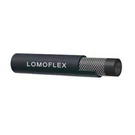
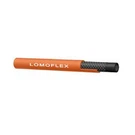


When it comes to powering a gas - powered generator, one common question that arises is, "Can I use an LPG hose with a gas - powered generator?" As an LPG hose supplier, I'm well - versed in this topic and can provide you with in - depth information to help you make an informed decision.
Understanding the Basics of LPG and Gas - Powered Generators
LPG, or liquefied petroleum gas, is a popular fuel source due to its high energy density, clean - burning properties, and ease of storage. Gas - powered generators, on the other hand, are reliable machines that convert the chemical energy of fuel into electrical energy. They are commonly used for backup power during outages, in remote locations where grid power is unavailable, or for powering equipment at construction sites.
Compatibility of LPG Hoses with Gas - Powered Generators
The short answer is yes, in most cases, you can use an LPG hose with a gas - powered generator. However, several crucial factors need to be considered to ensure safety and optimal performance.
Material and Construction
LPG hoses are specifically designed to handle the unique properties of liquefied petroleum gas. They are typically made from materials that are resistant to the corrosive effects of LPG, such as synthetic rubber compounds. These hoses are reinforced with multiple layers of braided or spiral - wound materials, like polyester or steel, to provide strength and prevent leaks.

When using an LPG hose with a gas - powered generator, it's essential to choose a hose that meets industry standards. Look for hoses that are marked with relevant certifications, such as those from the American Society of Mechanical Engineers (ASME) or the International Organization for Standardization (ISO). These certifications indicate that the hose has been tested and meets specific safety and performance criteria.
Size and Capacity
The size of the LPG hose is another important consideration. The diameter of the hose affects the flow rate of the gas, which in turn impacts the generator's performance. A hose that is too small may restrict the flow of LPG, causing the generator to run inefficiently or even stall. On the other hand, a hose that is too large may not provide the necessary pressure for the generator to operate properly.
Most gas - powered generators come with specifications regarding the recommended hose size. It's crucial to match the hose size to these specifications to ensure optimal performance. Additionally, consider the length of the hose. Longer hoses can cause a drop in pressure, so it's best to keep the hose as short as possible while still allowing for proper positioning of the generator and the LPG source.
Fittings and Connections
Proper fittings and connections are vital for a safe and leak - free installation. LPG hoses typically come with specific fittings that are designed to connect to LPG tanks and gas - powered generators. These fittings are often made of brass or stainless steel, which are resistant to corrosion.
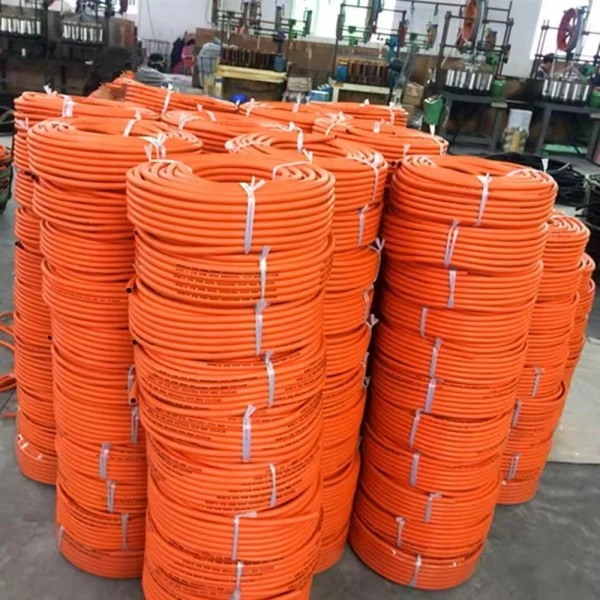
When connecting the LPG hose to the generator, ensure that the fittings are tightened securely. A loose connection can lead to gas leaks, which are not only dangerous but can also waste fuel. It's also a good idea to use a thread - sealing tape on the fittings to prevent leaks.
Advantages of Using an LPG Hose with a Gas - Powered Generator
There are several advantages to using an LPG hose with a gas - powered generator:
Clean - Burning Fuel
LPG is a clean - burning fuel that produces fewer emissions compared to other fossil fuels, such as gasoline or diesel. This makes it an environmentally friendly option, especially for indoor or enclosed spaces where ventilation may be limited.

Easy Storage
LPG can be stored in portable tanks, which makes it convenient for use with gas - powered generators. You can easily store extra tanks on - site for extended use, without having to worry about the fuel spoiling like you would with gasoline.
Consistent Performance
LPG provides a consistent and reliable source of power for gas - powered generators. Unlike gasoline, which can degrade over time and cause performance issues, LPG maintains its quality and can ensure that your generator runs smoothly.
Potential Risks and Precautions
While using an LPG hose with a gas - powered generator is generally safe, there are some potential risks that you need to be aware of:
Gas Leaks
As mentioned earlier, gas leaks are a significant concern when using LPG. A gas leak can not only waste fuel but also pose a serious safety hazard, as LPG is flammable. To prevent gas leaks, regularly inspect the LPG hose for signs of damage, such as cracks, cuts, or bulges. Replace the hose immediately if any damage is detected.
Fire and Explosion
LPG is highly flammable, and a leak or improper handling can lead to a fire or explosion. Always follow the manufacturer's instructions for installing and operating the generator and the LPG hose. Keep the generator and the LPG source away from open flames, sparks, and heat sources.
Other Types of Hoses in the Industrial Context
In addition to LPG hoses, there are other types of hoses that are commonly used in industrial settings. For example, [Rubber Air Hose]( /industrial - hose/rubber - hose/rubber - air - hose.html) is widely used for pneumatic tools and equipment. These hoses are designed to handle compressed air and are known for their flexibility and durability.
Another important type is the [Oxygen Acetylene Hose]( /industrial - hose/rubber - hose/oxygen - acetylene - hose.html). These hoses are used in welding and cutting applications, where they carry oxygen and acetylene gases. They are made from special materials that can withstand the high pressures and temperatures associated with these processes.
Why Choose Our LPG Hoses
As an LPG hose supplier, we take pride in offering high - quality products. Our [Lpg Hose]( /industrial - hose/rubber - hose/lpg - hose.html) is manufactured using the latest technology and the finest materials. We ensure that all our hoses meet or exceed industry standards, providing you with a safe and reliable solution for your gas - powered generator.
Our hoses are available in a variety of sizes and lengths to meet your specific needs. Whether you need a short hose for a small generator or a long hose for a larger installation, we have you covered. Additionally, our team of experts is always available to provide you with technical support and advice on choosing the right hose for your application.
Conclusion
In conclusion, using an LPG hose with a gas - powered generator is a viable option, provided that you choose the right hose, install it correctly, and take the necessary safety precautions. As an LPG hose supplier, we are committed to providing you with the best products and services to ensure your generator runs smoothly and safely.
If you're interested in purchasing LPG hoses or have any questions about our products, we encourage you to reach out to us. Our team is ready to assist you with your procurement needs and engage in detailed discussions to find the perfect solution for your gas - powered generator.
References
- American Society of Mechanical Engineers (ASME) standards for LPG hoses
- International Organization for Standardization (ISO) guidelines on hose safety and performance
- Manufacturer's manuals for gas - powered generators and LPG tanks