

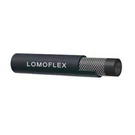
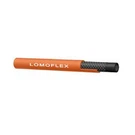


In the industrial and DIY worlds, the question of whether a rubber air hose can be used in a vacuum application is a common one. As a supplier of rubber air hoses, I've encountered this query numerous times from customers across various industries. In this blog, I'll delve into the technical aspects, advantages, limitations, and considerations when it comes to using a rubber air hose in a vacuum setting.
Understanding Rubber Air Hoses
First, let's briefly understand what a rubber air hose is. A Rubber Air Hose is a flexible tube made primarily of rubber materials, often reinforced with synthetic fibers or steel wires to enhance its strength and durability. These hoses are commonly used for pneumatic tools, air compressors, and general air supply applications. They are designed to withstand a certain range of pressures, typically positive pressures that push air through the hose.
Vacuum Applications: The Basics
Vacuum applications involve creating a pressure differential where the pressure inside the system is lower than the atmospheric pressure outside. This pressure difference is used to suck in air, liquids, or solids. Vacuum systems are used in a wide range of industries, from manufacturing and packaging to laboratory research and cleaning.
Can Rubber Air Hoses Be Used in Vacuum Applications?
The short answer is: it depends. Rubber air hoses can be used in some vacuum applications, but there are several factors to consider.
Positive Aspects
- Flexibility: One of the main advantages of rubber air hoses is their flexibility. In a vacuum application, a flexible hose can be easily routed around obstacles, making it suitable for setups where rigid pipes would be difficult to install.
- Chemical Resistance: Many rubber compounds used in air hoses offer good chemical resistance. This is beneficial in vacuum applications where the hose may come into contact with various chemicals or solvents.
- Cost-Effective: Compared to specialized vacuum hoses, rubber air hoses are often more cost-effective. If the vacuum application does not require extremely high performance or specific features, a rubber air hose can be a budget-friendly option.
Limitations
- Collapse Resistance: One of the biggest challenges when using a rubber air hose in a vacuum application is its collapse resistance. Unlike specialized vacuum hoses, rubber air hoses are not always designed to withstand the negative pressure created in a vacuum system. If the vacuum pressure is too high, the hose may collapse, blocking the flow and rendering the system ineffective.
- Leakage: Rubber air hoses may not have the same level of airtightness as vacuum hoses. In a vacuum application, even a small leak can significantly reduce the efficiency of the system.
- Temperature and Pressure Ratings: Rubber air hoses are typically rated for specific temperature and pressure ranges. In a vacuum application, the temperature and pressure conditions may be different from those in a standard air supply application. Using a hose outside its rated parameters can lead to premature failure.
Factors to Consider
When deciding whether to use a rubber air hose in a vacuum application, the following factors should be taken into account:
Vacuum Level
The level of vacuum required in the application is a crucial factor. Low vacuum applications, where the pressure differential is relatively small, may be more suitable for rubber air hoses. However, for high vacuum applications, specialized vacuum hoses are usually recommended.
Hose Diameter and Length
The diameter and length of the hose can also affect its performance in a vacuum application. A larger diameter hose generally offers less resistance to flow, while a shorter hose reduces the pressure drop. It's important to choose the appropriate hose size based on the requirements of the vacuum system.
Chemical Compatibility
If the vacuum application involves handling chemicals or solvents, it's essential to ensure that the rubber material of the hose is compatible with these substances. Exposure to incompatible chemicals can cause the hose to deteriorate, leading to leaks or failure.
Temperature and Environment
The operating temperature and environment of the vacuum system should also be considered. Extreme temperatures can affect the flexibility and strength of the rubber hose. Additionally, factors such as humidity, sunlight, and abrasion can impact the lifespan of the hose.
Alternatives to Rubber Air Hoses in Vacuum Applications
If a rubber air hose is not suitable for a particular vacuum application, there are several alternatives available:
Specialized Vacuum Hoses
These hoses are specifically designed to withstand the negative pressures created in vacuum systems. They often have features such as reinforced walls, high collapse resistance, and excellent airtightness. While they may be more expensive than rubber air hoses, they offer superior performance in vacuum applications.
Metal Hoses
Metal hoses, such as stainless steel or aluminum hoses, are highly durable and can withstand high temperatures and pressures. They are commonly used in industrial vacuum applications where reliability and long-term performance are critical.
PVC Hoses
PVC hoses are lightweight, flexible, and relatively inexpensive. They are suitable for low to medium vacuum applications and offer good chemical resistance. However, they may not be as durable as rubber or metal hoses.

Conclusion
In conclusion, while a rubber air hose can be used in some vacuum applications, it's important to carefully consider the specific requirements of the system. Factors such as vacuum level, hose diameter and length, chemical compatibility, and temperature and environment should all be taken into account. If the application involves high vacuum levels or critical performance requirements, specialized vacuum hoses or alternative materials may be a better choice.

As a supplier of Rubber Air Hose, we offer a wide range of hoses suitable for various applications. Our team of experts can help you select the right hose for your specific needs. If you have any questions or need further information, please feel free to contact us for a consultation and potential purchase negotiation. We look forward to working with you to find the best solution for your vacuum or air supply requirements.

References
- "Handbook of Industrial Hoses" by various authors
- Technical specifications from rubber hose manufacturers
- Industry standards and guidelines for vacuum systems