

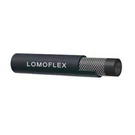
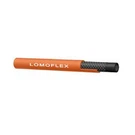


Can a rubber air hose be used in a chemical processing plant? That's a question I often get asked as a rubber air hose supplier. In this blog, I'll share my insights on this topic based on my experience in the industry.
First off, let's talk about what a rubber air hose is. A rubber air hose is a flexible tube made of rubber, designed to carry compressed air from one place to another. It's commonly used in a variety of industries, like construction, automotive, and manufacturing. But when it comes to using it in a chemical processing plant, things get a bit more complicated.
Chemical processing plants deal with all sorts of chemicals, some of which can be pretty harsh. These chemicals can react with the rubber in the hose, causing it to degrade over time. For example, strong acids and alkalis can break down the rubber molecules, leading to cracks, leaks, and ultimately, hose failure. So, it's crucial to understand the chemical compatibility of the rubber air hose with the chemicals it will come into contact with.
One of the key factors to consider is the type of rubber used in the hose. Different types of rubber have different chemical resistance properties. For instance, natural rubber is relatively soft and flexible, but it's not very resistant to chemicals. On the other hand, synthetic rubbers like nitrile rubber (NBR), ethylene propylene diene monomer (EPDM), and fluorocarbon rubber (FKM) offer better chemical resistance.
Nitrile rubber is known for its excellent resistance to oils, fuels, and many chemicals. It's a popular choice for applications where the hose may come into contact with petroleum-based products. If your chemical processing plant deals with fuel oils, a nitrile rubber air hose might be a good option. You can check out our Fuel Oil Hose for more information.
EPDM rubber, on the other hand, is highly resistant to weathering, ozone, and many chemicals, including acids and alkalis. It's often used in outdoor applications and in industries where the hose needs to withstand exposure to harsh environmental conditions. If your plant deals with chemicals like sulfuric acid or sodium hydroxide, an EPDM rubber air hose could be suitable.
Fluorocarbon rubber is the king of chemical resistance. It can withstand a wide range of aggressive chemicals, including solvents, fuels, and high-temperature chemicals. However, it's also more expensive than other types of rubber. If your chemical processing plant deals with extremely corrosive chemicals, a fluorocarbon rubber air hose might be necessary.
Another important consideration is the pressure and temperature requirements of the application. Chemical processing plants often operate at high pressures and temperatures, which can put additional stress on the hose. A rubber air hose that's not designed to handle these conditions can fail prematurely, leading to safety hazards and costly downtime.
When selecting a rubber air hose for a chemical processing plant, it's essential to choose a hose that's rated for the specific pressure and temperature conditions of your application. Look for hoses that have been tested and certified to meet industry standards, such as the Society of Automotive Engineers (SAE) standards or the International Organization for Standardization (ISO) standards.
In addition to chemical compatibility and pressure/temperature ratings, you also need to consider the physical properties of the hose. For example, the hose should be flexible enough to allow for easy installation and movement, but it should also be strong enough to withstand the rigors of the chemical processing environment. It should also have good abrasion resistance to prevent damage from rubbing against other surfaces.
Now, let's talk about some of the potential benefits of using a rubber air hose in a chemical processing plant. One of the main advantages is its flexibility. Rubber air hoses can be easily bent and routed around obstacles, making them ideal for applications where space is limited. They also offer good vibration damping properties, which can help reduce noise and wear on the equipment.
Another benefit is the relatively low cost of rubber air hoses compared to other types of hoses, such as metal or plastic hoses. This can make them a cost-effective solution for many chemical processing applications.
However, it's important to note that using a rubber air hose in a chemical processing plant also comes with some risks. As mentioned earlier, the chemicals in the plant can degrade the rubber over time, leading to leaks and other problems. To minimize these risks, it's crucial to regularly inspect the hoses for signs of wear and tear, and replace them as needed.
So, can a rubber air hose be used in a chemical processing plant? The answer is yes, but it depends on several factors. You need to carefully consider the chemical compatibility of the hose, the pressure and temperature requirements of the application, and the physical properties of the hose. By choosing the right rubber air hose and properly maintaining it, you can ensure safe and reliable operation in your chemical processing plant.


If you're interested in learning more about our Rubber Air Hose or have any questions about using rubber air hoses in your chemical processing plant, feel free to reach out. We're here to help you find the best solution for your needs.
In addition to rubber air hoses, we also offer a wide range of other industrial hoses, including Lpg Hose. These hoses are designed to meet the specific needs of different industries and applications.
If you're in the market for a new industrial hose, don't hesitate to contact us. Our team of experts can help you select the right hose for your application and provide you with all the information you need to make an informed decision.
References
- Chemical Resistance Guide for Rubber Materials, various industry publications
- Standards and Guidelines for Industrial Hoses, SAE and ISO