

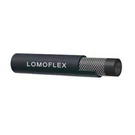
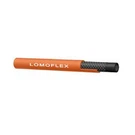


Calculating the flow capacity of a suction and discharge oil hose is a crucial aspect for various industries relying on the efficient transfer of oil. As a supplier of suction and discharge oil hoses, I understand the importance of accurate flow capacity calculations to ensure optimal performance and safety in oil transfer operations. In this blog, I will delve into the key factors involved in calculating the flow capacity of these hoses and provide practical insights for making informed decisions.
Understanding the Basics of Flow Capacity
Flow capacity refers to the volume of fluid that can pass through a hose within a specific period. In the context of suction and discharge oil hoses, it is typically measured in gallons per minute (GPM) or liters per minute (LPM). Several factors influence the flow capacity of a hose, including the hose diameter, length, internal roughness, fluid viscosity, and the pressure differential across the hose.
Factors Affecting Flow Capacity
Hose Diameter
The diameter of the hose plays a significant role in determining the flow capacity. A larger diameter hose allows for a greater volume of oil to pass through, resulting in higher flow rates. This is because the cross-sectional area of the hose increases with the square of the diameter. For example, doubling the diameter of a hose will quadruple its cross-sectional area, significantly increasing the flow capacity.
Hose Length
The length of the hose also affects the flow capacity. As the length of the hose increases, the resistance to flow also increases due to friction between the oil and the inner walls of the hose. This results in a decrease in the flow rate. Therefore, it is important to minimize the length of the hose to reduce friction losses and maximize the flow capacity.
Internal Roughness
The internal roughness of the hose can also impact the flow capacity. A smoother inner surface reduces friction and allows for a more efficient flow of oil. Hoses with a rough inner surface can cause turbulence and increase the resistance to flow, resulting in a lower flow rate. Therefore, it is recommended to choose hoses with a smooth inner surface to optimize the flow capacity.
Fluid Viscosity
The viscosity of the oil being transferred is another important factor to consider. Viscosity refers to the thickness or resistance to flow of a fluid. Higher viscosity oils require more energy to flow through the hose, resulting in a lower flow rate. Therefore, it is important to select a hose with a flow capacity that is suitable for the viscosity of the oil being transferred.
Pressure Differential
The pressure differential across the hose is the driving force that causes the oil to flow. A higher pressure differential results in a higher flow rate. However, it is important to ensure that the pressure differential does not exceed the maximum working pressure of the hose to avoid damage or failure.
Calculating the Flow Capacity
To calculate the flow capacity of a suction and discharge oil hose, you can use the following formula:
Q = (π * D^2 * V) / 4
Where:
Q = Flow capacity (GPM or LPM)
D = Hose diameter (inches or millimeters)
V = Velocity of the oil (feet per second or meters per second)
The velocity of the oil can be calculated using the following formula:
V = (Q * 231) / (π * D^2)
Where:
V = Velocity of the oil (feet per second)
Q = Flow capacity (GPM)
D = Hose diameter (inches)
Alternatively, you can use online flow rate calculators or consult the manufacturer's specifications for the flow capacity of a specific hose.
Selecting the Right Hose for Your Application
When selecting a suction and discharge oil hose, it is important to consider the specific requirements of your application. Here are some tips to help you choose the right hose:


Determine the Flow Requirements
Before selecting a hose, you need to determine the flow requirements of your application. This includes the volume of oil that needs to be transferred, the desired flow rate, and the viscosity of the oil. Based on these requirements, you can select a hose with a flow capacity that is suitable for your application.
Consider the Hose Material
The material of the hose is also an important factor to consider. Different materials have different properties and are suitable for different applications. For example, rubber hoses are flexible and resistant to abrasion, while PVC hoses are lightweight and inexpensive. It is important to choose a hose material that is compatible with the oil being transferred and can withstand the operating conditions of your application.
Check the Hose Ratings
Make sure to check the ratings of the hose, including the maximum working pressure, temperature range, and chemical compatibility. These ratings will ensure that the hose is safe and suitable for your application.
Consult with a Professional
If you are unsure about which hose to choose, it is recommended to consult with a professional. A knowledgeable supplier can help you select the right hose based on your specific requirements and provide you with expert advice on installation and maintenance.
Conclusion
Calculating the flow capacity of a suction and discharge oil hose is essential for ensuring the efficient and safe transfer of oil. By considering the factors discussed in this blog, you can select a hose with a flow capacity that is suitable for your application and optimize the performance of your oil transfer system. As a supplier of Suction and Discharge Oil Hose, I am committed to providing high-quality hoses and expert advice to help you meet your oil transfer needs. If you have any questions or need assistance in selecting the right hose for your application, please feel free to contact us for a consultation. We look forward to working with you to ensure the success of your oil transfer operations.
References
- Crane Company. (2013). Flow of Fluids Through Valves, Fittings, and Pipe. Technical Paper No. 410M.
- Hydraulic Institute. (2019). ANSI/HI 9.6.7-2019 Rotodynamic Pumps - Guideline for NPSH Margin.
- National Fire Protection Association. (2018). NFPA 30: Flammable and Combustible Liquids Code.