



Hydroponics, a soilless method of growing plants, has gained significant popularity in recent years due to its efficiency, water conservation, and ability to produce high - quality crops in controlled environments. One of the crucial aspects of a hydroponic system is the water delivery mechanism. As a rubber water hose supplier, I often get asked whether a rubber water hose can be used for hydroponics. In this blog, I'll explore this question in detail, considering various factors related to the suitability of rubber water hoses in hydroponic setups.


Understanding Hydroponics Requirements
Before delving into the use of rubber water hoses, it's essential to understand the basic requirements of a hydroponic system. Hydroponics involves providing plants with a nutrient - rich water solution directly to their roots. The water delivery system needs to be reliable, non - toxic, and able to maintain a consistent flow of water and nutrients.
The water in a hydroponic system should be free from contaminants that could harm the plants. Additionally, the system should be able to handle different water pressures, depending on the type of hydroponic setup, such as drip irrigation, nutrient film technique (NFT), or deep water culture (DWC).
Characteristics of Rubber Water Hoses
Rubber water hoses are widely used in various applications, from gardening to industrial settings. They are known for their flexibility, durability, and resistance to kinking. Most rubber water hoses are made from natural or synthetic rubber compounds, which offer different levels of chemical resistance and physical properties.
One of the advantages of rubber water hoses is their ability to withstand a wide range of temperatures. This is important in hydroponics, as the water temperature can affect plant growth. Rubber hoses can also be easily cut to the desired length and connected to different fittings, making them a versatile option for customizing a hydroponic system.
However, not all rubber water hoses are created equal. Some may contain additives or chemicals that could leach into the water and potentially harm the plants. For example, certain types of rubber may be treated with plasticizers, antioxidants, or stabilizers, which could be toxic to plants if released into the nutrient solution.
Compatibility with Hydroponic Nutrient Solutions
The nutrient solutions used in hydroponics typically contain a balanced mix of essential elements such as nitrogen, phosphorus, potassium, and trace minerals. These solutions are often slightly acidic or alkaline, depending on the plant species and growth stage.
When choosing a rubber water hose for hydroponics, it's crucial to ensure that the hose material is compatible with the nutrient solution. Some rubber compounds may react with the chemicals in the solution, leading to degradation of the hose or the release of harmful substances.
To determine the compatibility, it's advisable to consult the hose manufacturer's specifications. Reputable manufacturers usually provide information on the chemical resistance of their hoses. Look for hoses that are specifically designed for use with water - based solutions and are labeled as non - toxic and food - grade if possible.
Resistance to Algae and Bacteria Growth
In a hydroponic system, the water is constantly recirculated, providing an ideal environment for algae and bacteria growth. Algae can clog the hoses and fittings, reducing the water flow and nutrient delivery to the plants. Bacteria can also cause diseases in the plants if they contaminate the nutrient solution.
Rubber water hoses should have some level of resistance to algae and bacteria growth. Some hoses are treated with antimicrobial agents to prevent the formation of biofilms. However, it's also important to maintain proper hygiene in the hydroponic system by regularly cleaning the hoses and changing the nutrient solution.
Pressure and Flow Rate
The pressure and flow rate requirements of a hydroponic system depend on the type of setup and the number of plants being grown. For example, a drip irrigation system may require a lower pressure and flow rate compared to a NFT system.
Rubber water hoses come in different sizes and wall thicknesses, which can affect their pressure - handling capabilities. It's important to choose a hose that can handle the pressure generated by the water pump in the hydroponic system. A hose with insufficient pressure rating may burst or leak, leading to water wastage and potential damage to the system.
Our Product Offerings
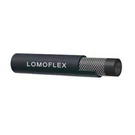
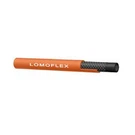
As a rubber water hose supplier, we offer a wide range of products suitable for hydroponics. Our Rubber Water Hose is made from high - quality rubber compounds that are non - toxic and resistant to chemicals commonly found in hydroponic nutrient solutions. We also offer Twin Welding Hose and Oxygen Acetylene Hose for specific industrial applications, although they may not be directly used in hydroponics.
Our rubber water hoses are available in different lengths and diameters to meet the diverse needs of hydroponic growers. We can also provide custom - made hoses with specific fittings and connectors to ensure a seamless integration into your hydroponic system.
Considerations for Installation
Proper installation of the rubber water hose is crucial for the efficient operation of the hydroponic system. When installing the hose, make sure to avoid sharp bends and kinks, as these can restrict the water flow. Use appropriate clamps and fittings to secure the hose connections and prevent leaks.
It's also important to position the hose away from direct sunlight, as prolonged exposure to UV rays can degrade the rubber material. If possible, use hose covers or insulation to protect the hose from environmental factors.
Conclusion
In conclusion, a rubber water hose can be used for hydroponics, but careful consideration must be given to its material, compatibility with nutrient solutions, resistance to algae and bacteria, and pressure - handling capabilities. As a reliable rubber water hose supplier, we are committed to providing high - quality products that meet the specific requirements of hydroponic growers.
If you are interested in using our rubber water hoses for your hydroponic system or have any questions about our products, we encourage you to contact us for further discussion and to initiate a procurement negotiation. Our team of experts is ready to assist you in finding the best solution for your hydroponic needs.
References
- Resh, H. M. (2013). Hydroponic Food Production: A Definitive Guidebook of Soilless Food - Growing Methods. Woodbridge Press.
- Raviv, M., & Lieth, J. H. (2008). Hydroponic Production of Vegetables and Ornamentals. Springer.