

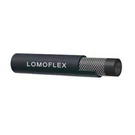
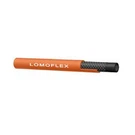


When it comes to water purification systems, the choice of components is crucial for ensuring the safety and quality of the treated water. One question that often arises is whether a rubber water hose can be used in these systems. As a supplier of Rubber Water Hose, I am well - positioned to explore this topic in depth.
Understanding Rubber Water Hoses
Rubber water hoses are a common sight in various industries and household applications. They are known for their flexibility, durability, and ability to withstand a certain range of pressures. These hoses are typically made from natural or synthetic rubber compounds, which are reinforced with materials like polyester, nylon, or steel wire to enhance their strength.
The manufacturing process of rubber water hoses involves several steps. First, the rubber compound is mixed with various additives to achieve the desired properties such as flexibility, resistance to abrasion, and chemical stability. Then, the reinforced layer is added, and the hose is formed through extrusion or molding processes. Finally, it undergoes curing to set the rubber and ensure its long - term performance.
Requirements of Water Purification Systems
Water purification systems are designed to remove contaminants from water, making it safe for consumption or specific industrial uses. These systems often involve multiple stages of filtration, including sediment filtration, activated carbon filtration, and sometimes reverse osmosis.
For a component to be used in a water purification system, it must meet strict standards. It should be non - toxic and not leach harmful chemicals into the water. It also needs to be resistant to the chemicals and cleaning agents used in the purification process. Additionally, the material should be able to withstand the operating pressures and temperatures of the system without degradation.
Compatibility of Rubber Water Hoses with Water Purification Systems
Chemical Compatibility
One of the main concerns when using a rubber water hose in a water purification system is its chemical compatibility. Some rubber compounds may contain additives such as plasticizers, antioxidants, and vulcanizing agents. These additives can potentially leach into the water, especially when the hose is exposed to high temperatures or certain chemicals used in the purification process.


However, there are specially formulated rubber hoses that are designed to be food - grade or potable - water - safe. These hoses are made from rubber compounds that are free from harmful substances and have been tested to meet the relevant standards for contact with drinking water. For example, hoses made from EPDM (ethylene propylene diene monomer) rubber are often used in potable water applications due to their excellent chemical resistance and low leaching properties.
Pressure and Temperature Resistance
Water purification systems operate at different pressures and temperatures depending on the specific process. Rubber water hoses need to be able to withstand these conditions without bursting or deforming.
Most rubber water hoses are rated for a certain maximum pressure. It is essential to select a hose with a pressure rating that exceeds the operating pressure of the water purification system. Similarly, the hose should be able to handle the temperature range of the system. For instance, in some industrial water purification processes, the water may be heated, and the hose needs to maintain its integrity at elevated temperatures.
Microbiological Growth
Another aspect to consider is the potential for microbiological growth inside the hose. Stagnant water in the hose can provide a breeding ground for bacteria, fungi, and other microorganisms. To prevent this, the inner surface of the rubber hose should be smooth and non - porous, making it difficult for microorganisms to attach and grow. Some hoses are also treated with antimicrobial agents to further reduce the risk of microbiological contamination.
Advantages of Using Rubber Water Hoses in Water Purification Systems
Flexibility
One of the significant advantages of rubber water hoses is their flexibility. This allows for easy installation in water purification systems, especially in tight spaces or around corners. The flexibility also reduces the stress on the connections, minimizing the risk of leaks.
Durability
Rubber water hoses are generally durable and can withstand wear and tear. They are resistant to abrasion, which is important in a water purification system where the hose may come into contact with other components or be moved during maintenance.
Cost - Effectiveness
Compared to some other materials used in water purification systems, rubber water hoses are often more cost - effective. They offer a good balance between performance and price, making them an attractive option for both small - scale and large - scale water purification projects.
Other Types of Hoses in the Context of Water Systems
In addition to rubber water hoses, there are other types of hoses that may be relevant to water - related applications. For example, Lpg Hose is designed for use with liquefied petroleum gas. While not directly related to water purification, understanding different types of hoses can give a broader perspective on the capabilities and limitations of rubber - based hoses.
Rubber Air Hose is another type of hose that is commonly used in industrial applications. Although it is mainly used for transferring air, the principles of material selection and performance requirements share some similarities with water hoses. For instance, both need to be flexible, durable, and resistant to certain environmental factors.
Considerations for Choosing a Rubber Water Hose for Water Purification Systems
Certification
When selecting a rubber water hose for a water purification system, it is crucial to look for hoses that have relevant certifications. Certifications such as NSF/ANSI 61 (National Sanitation Foundation/American National Standards Institute Standard 61) indicate that the hose has been tested and approved for use with drinking water.
Hose Construction
The construction of the hose also matters. A multi - layer hose with a reinforced middle layer is generally stronger and more resistant to pressure than a single - layer hose. The inner layer should be smooth and made from a material that is compatible with water and the purification process.
Application - Specific Requirements
Different water purification systems have different requirements. For example, a household water purification system may have different needs compared to an industrial - scale system. It is important to consider the specific flow rate, pressure, and temperature requirements of the system when choosing a rubber water hose.
Conclusion
In conclusion, a rubber water hose can be used in water purification systems, but careful consideration must be given to its compatibility with the system. Specially formulated rubber hoses that meet the relevant standards for potable water can be a suitable choice, offering flexibility, durability, and cost - effectiveness.
As a supplier of Rubber Water Hose, we offer a wide range of hoses that are designed to meet the diverse needs of water purification systems. Our hoses are made from high - quality materials and are tested to ensure their performance and safety.
If you are in the market for a rubber water hose for your water purification system, we encourage you to contact us for more information. Our team of experts can help you select the right hose based on your specific requirements. Whether you need a hose for a small household system or a large - scale industrial application, we have the solution for you. Let's start a conversation and find the perfect rubber water hose for your water purification needs.
References
- National Sanitation Foundation. NSF/ANSI 61: Drinking Water System Components – Health Effects.
- ASTM International. Standards related to rubber hoses for various applications.
- Water Quality Association. Guidelines for water purification system components.