

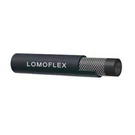
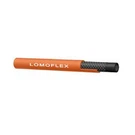


Humidity plays a significant yet often overlooked role in the performance and longevity of oxygen acetylene hoses. As a dedicated supplier of these essential hoses, I've witnessed firsthand the various impacts that humidity can have on their functionality. In this blog, we'll explore in detail how humidity affects an oxygen acetylene hose and what steps can be taken to mitigate potential issues.
Understanding Oxygen Acetylene Hoses
Before delving into the effects of humidity, it's crucial to understand the basic construction and function of oxygen acetylene hoses. These hoses are designed to safely transport oxygen and acetylene gases from their respective sources to the welding or cutting torch. They are typically made of synthetic rubber or a combination of rubber and other materials, chosen for their flexibility, durability, and resistance to the high pressures and chemical properties of the gases.
Impact of High Humidity
Corrosion and Rust
One of the most immediate and visible effects of high humidity on oxygen acetylene hoses is the potential for corrosion and rust. When the air is saturated with moisture, the metal components of the hose, such as the fittings and couplings, are at risk of oxidation. Rust can weaken the structural integrity of these parts, leading to leaks and potential safety hazards. For example, a rusted fitting may not provide a secure seal, allowing gas to escape. This not only wastes valuable resources but also poses a fire and explosion risk, as oxygen and acetylene are highly flammable gases.
Degradation of Rubber
High humidity can also accelerate the degradation of the rubber material used in the hose. Rubber is a polymer, and moisture can cause it to swell and lose its elasticity over time. This can lead to cracks and splits in the hose wall, which can compromise its ability to contain the gases safely. Additionally, the presence of moisture can promote the growth of mold and mildew on the surface of the hose. Mold not only looks unsightly but can also further damage the rubber by breaking down its chemical structure.
Impaired Gas Flow
Moisture in the air can condense inside the hose, creating water droplets that can obstruct the flow of oxygen and acetylene. This can result in inconsistent gas delivery to the torch, affecting the quality of the welding or cutting process. For instance, a reduced gas flow may cause the flame to be unstable, leading to poor weld penetration or uneven cuts. In some cases, the presence of water in the gas stream can even cause the torch to sputter or go out, interrupting the workflow and potentially causing delays.
Impact of Low Humidity
Brittle Rubber
On the other end of the spectrum, low humidity can also have negative effects on oxygen acetylene hoses. When the air is dry, the rubber can become brittle and lose its flexibility. This makes the hose more prone to cracking and breaking, especially when it is bent or twisted during normal use. A brittle hose is not only less reliable but also more difficult to handle, as it may not conform to the required shapes easily.
Static Electricity
Low humidity environments are more likely to generate static electricity. When the hose is moved or rubbed against other surfaces, static charges can build up. In the presence of oxygen and acetylene, static electricity can pose a significant fire and explosion risk. A spark from static discharge can ignite the flammable gases, leading to a potentially catastrophic event.


Mitigating the Effects of Humidity
Proper Storage
Proper storage is essential to protect oxygen acetylene hoses from the effects of humidity. Hoses should be stored in a dry, well - ventilated area away from direct sunlight and sources of heat. If possible, they should be hung on hooks or racks to prevent them from being crushed or kinked. Using a dehumidifier in the storage area can help maintain a stable humidity level and reduce the risk of corrosion and rubber degradation.
Regular Inspection
Regular inspection of the hoses is crucial to detect any signs of damage caused by humidity. Check for rust on the fittings, cracks or splits in the rubber, and any signs of mold or mildew. If any issues are found, the affected parts should be replaced immediately to ensure the safety and functionality of the hose.
Protective Coatings
Applying protective coatings to the metal fittings can help prevent corrosion. There are various types of anti - rust coatings available on the market that can provide a barrier between the metal and the moist air. Additionally, some hoses are designed with special rubber compounds that are more resistant to moisture and environmental factors.
Other Related Hoses
In addition to oxygen acetylene hoses, we also offer a range of other industrial hoses, such as Rubber Water Hose, Lpg Hose, and Rubber Air Hose. These hoses are also subject to the effects of humidity, and similar precautions should be taken to ensure their proper functioning.
Conclusion
Humidity can have a profound impact on the performance and lifespan of oxygen acetylene hoses. Whether it's high humidity causing corrosion and rubber degradation or low humidity leading to brittle rubber and static electricity, understanding these effects is crucial for anyone using or supplying these hoses. By taking proper precautions, such as proper storage, regular inspection, and the use of protective coatings, the negative impacts of humidity can be minimized.
If you're in the market for high - quality oxygen acetylene hoses or any of our other industrial hoses, we invite you to contact us for a procurement discussion. Our team of experts is ready to assist you in finding the right hoses for your specific needs.
References
- American Society of Mechanical Engineers (ASME). "Safety Standard for Welding, Cutting, and Allied Processes."
- National Fire Protection Association (NFPA). "NFPA 51: Standard for the Design and Installation of Oxygen - Fuel Gas Systems for Welding, Cutting, and Allied Processes."