



Mining operations are among the most demanding industrial environments, where equipment is subjected to extreme conditions. Wire braid hoses play a crucial role in these settings, as they are responsible for transmitting hydraulic fluids that power various mining machinery. As a wire braid hose supplier, I understand the importance of meeting the specific requirements of mining applications. In this blog post, I will delve into the key requirements for wire braid hoses in mining, ensuring that you have a comprehensive understanding of what to look for when sourcing these essential components.
Pressure Resistance
One of the primary requirements for wire braid hoses in mining applications is high - pressure resistance. Mining machinery often operates under extremely high hydraulic pressures. For example, hydraulic excavators, which are commonly used in mining, can generate pressures of several thousand pounds per square inch (psi). Wire braid hoses must be able to withstand these high pressures without bursting or leaking.
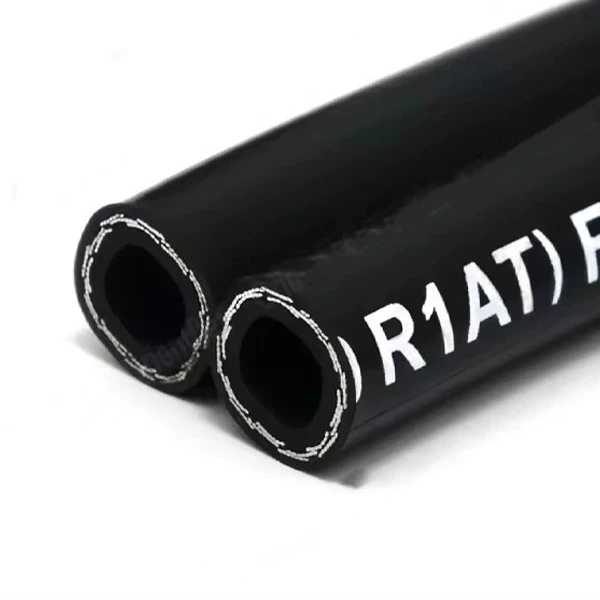
The number of wire braids in a hose significantly affects its pressure - handling capacity. Hoses with multiple layers of wire braids can handle higher pressures compared to those with a single layer. For instance, SAE100R1AT is a single - braid hose, suitable for lower - pressure applications, while Sae100 R2at is a double - braid hose, capable of handling much higher pressures. When selecting a wire braid hose for mining, it is essential to match the hose's pressure rating with the operating pressure of the mining equipment.
Abrasion Resistance
Mining environments are filled with abrasive materials such as rocks, sand, and gravel. Wire braid hoses are constantly exposed to these abrasive substances, which can quickly wear down the outer cover of the hose. An abraded hose is more likely to fail, leading to hydraulic fluid leaks and potential equipment downtime.
To ensure long - term performance in mining applications, wire braid hoses should have a highly abrasion - resistant outer cover. Some hoses are designed with special rubber compounds or synthetic materials that offer superior abrasion resistance. For example, the outer cover of Din En853 2sn hoses is engineered to resist abrasion, making them well - suited for the harsh mining environment. Regular inspection of the outer cover for signs of wear and tear is also necessary to prevent premature hose failure.
Temperature Resistance
Mining operations can take place in a wide range of temperatures, from extremely cold to very hot conditions. Wire braid hoses must be able to maintain their flexibility and integrity across this temperature spectrum. In cold temperatures, hoses can become brittle, increasing the risk of cracking. On the other hand, high temperatures can cause the hose materials to degrade, reducing their performance and lifespan.
Hoses for mining applications should be made from materials with a wide temperature range. Specialized rubber compounds are often used to ensure that the hoses can operate effectively in both cold and hot environments. For example, some hoses can withstand temperatures as low as - 40°F (- 40°C) and as high as 250°F (121°C). This temperature resistance is crucial for maintaining the proper functioning of hydraulic systems in mining equipment.
Chemical Compatibility
Hydraulic fluids used in mining equipment can vary widely in their chemical composition. Wire braid hoses must be chemically compatible with the hydraulic fluids they carry. Incompatible hoses can swell, harden, or degrade when exposed to certain fluids, leading to leaks and reduced performance.
Before selecting a wire braid hose for a mining application, it is important to consider the type of hydraulic fluid used in the equipment. Hoses are typically available in different materials, each with its own chemical compatibility profile. For example, some hoses are designed to be compatible with mineral - based hydraulic fluids, while others are suitable for synthetic or fire - resistant fluids. Ensuring chemical compatibility is essential for the safe and efficient operation of mining machinery.
Flexibility
Mining equipment often requires hoses to be flexible to accommodate the movement of various components. For example, in a hydraulic loader, the hoses need to bend and flex as the loader arm moves. A lack of flexibility can cause stress on the hoses, leading to premature failure.
Wire braid hoses should be designed to offer a high degree of flexibility. The construction of the hose, including the type of wire braid and the inner tube material, can affect its flexibility. Hoses with a well - engineered design can maintain their flexibility even under high pressures and in tight spaces. This flexibility allows for easy installation and ensures that the hoses can adapt to the dynamic movements of mining equipment.

Flame Resistance
In some mining operations, there is a risk of fire due to the presence of flammable materials or high - temperature equipment. Wire braid hoses used in these environments should have flame - resistant properties. Flame - resistant hoses can help prevent the spread of fire in case of a hydraulic fluid leak, reducing the risk of serious accidents and damage to equipment.
Manufacturers often use special additives or materials in the construction of flame - resistant hoses. These hoses are tested to meet specific flame - resistance standards, ensuring that they can provide an additional layer of safety in mining applications.
Quality Assurance and Certification
When sourcing wire braid hoses for mining applications, it is essential to choose a supplier that adheres to strict quality assurance standards. Reputable suppliers will conduct rigorous testing on their hoses to ensure that they meet all the necessary requirements.
Certifications such as ISO 9001 and ISO 14001 are indicators of a supplier's commitment to quality and environmental management. Additionally, hoses should comply with industry - specific standards, such as SAE and DIN standards. These certifications and standards provide assurance that the hoses are reliable and suitable for use in mining applications.
Conclusion
As a wire braid hose supplier, I am well - aware of the critical role that these hoses play in mining operations. Meeting the requirements for pressure resistance, abrasion resistance, temperature resistance, chemical compatibility, flexibility, flame resistance, and quality assurance is essential for ensuring the reliable performance of mining equipment.
If you are in the mining industry and are looking for high - quality wire braid hoses that meet all these requirements, I encourage you to get in touch with us. We have a wide range of wire braid hoses, including SAE100R1AT, Sae100 R2at, and Din En853 2sn, which are designed to withstand the harsh conditions of mining applications. Contact us to discuss your specific needs and start a procurement negotiation.
References
- Hydraulic Hose Handbook - Various industry publications on hydraulic hoses and their applications in mining.
- Standards and Specifications from SAE, DIN, and other relevant organizations.