

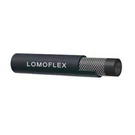
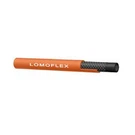


As a wire braid hose supplier, I understand the critical importance of ensuring the fire - resistance of our products. In various industrial applications, especially those in high - risk environments such as mining, construction, and power plants, the fire - resistance of wire braid hoses can significantly impact safety and operational efficiency. In this blog, I will share some effective ways to improve the fire - resistance of wire braid hoses.
Understanding the Basics of Fire - Resistance
Before delving into the improvement methods, it's essential to comprehend what makes a wire braid hose fire - resistant. Fire - resistant hoses need to withstand high temperatures without losing their structural integrity and functionality. The main factors that contribute to fire - resistance include the materials used in the hose construction, such as the inner tube, outer cover, and the braided reinforcement.
Selecting Fire - Resistant Materials
-
Inner Tube Materials
- Fluoropolymers are an excellent choice for the inner tube of fire - resistant wire braid hoses. Materials like PTFE (Polytetrafluoroethylene) have high melting points and are extremely resistant to heat. They can maintain their chemical and physical properties even at elevated temperatures. Additionally, PTFE has non - stick properties, reducing the risk of hose blockages due to the adhesion of materials passing through it.
- Another option is ethylene - propylene rubber (EPR). It offers good heat resistance and can operate at moderately high temperatures. EPR is also resistant to ozone and weathering, which is beneficial for hoses used in outdoor or harsh environmental conditions.
-
Outer Cover Materials


- Silicone rubber is a popular choice for the outer cover of fire - resistant hoses. It has excellent heat resistance, withstanding temperatures up to 300°C or even higher in some cases. Silicone rubber also has good flexibility, which is important for hoses that need to bend and flex during operation.
- Neoprene is another material known for its fire - resistant properties. It has self - extinguishing characteristics and can resist ignition from open flames. Neoprene is also resistant to oil and chemicals, making it suitable for applications where the hose may be exposed to various substances.
-
Reinforcement Materials
- Stainless - steel wire is a common reinforcement material for wire braid hoses. It provides high strength and durability, and it can also withstand high temperatures. Stainless - steel wire is resistant to corrosion, which is crucial for hoses used in wet or corrosive environments.
- Aramid fibers, such as Kevlar, can also be used as a reinforcement material. They have high tensile strength and excellent heat resistance. Aramid fibers can help the hose maintain its shape and integrity under high - temperature conditions.
Advanced Manufacturing Processes
- Coating and Laminating
- Applying a fire - resistant coating to the outer cover of the hose can enhance its fire - resistance. Fire - retardant coatings can slow down the spread of flames and reduce the heat transfer to the interior of the hose. These coatings often contain chemicals that react with the fire to form a protective layer.
- Laminating multiple layers of fire - resistant materials can also improve the overall fire - resistance of the hose. For example, laminating a layer of silicone rubber with a layer of neoprene can combine the heat - resistant properties of both materials.
- Cross - linking
- Cross - linking the rubber materials used in the hose construction can improve their fire - resistance. Cross - linking creates a three - dimensional network structure in the rubber, which makes it more difficult for the material to melt and flow when exposed to heat. This process can enhance the mechanical properties and heat resistance of the hose.
Testing and Certification
- Regular Testing
- As a wire braid hose supplier, we conduct regular fire - resistance testing on our products. These tests simulate real - world fire conditions to ensure that the hoses meet the required fire - resistance standards. We use methods such as the vertical flame test, where the hose is exposed to a flame for a specified period, and the hose's ability to self - extinguish and maintain its integrity is evaluated.
- Certification
- Obtaining relevant certifications is crucial for demonstrating the fire - resistance of our wire braid hoses. Certifications such as UL (Underwriters Laboratories) and FM (Factory Mutual) are widely recognized in the industry. These certifications provide assurance to our customers that our hoses meet strict fire - safety standards.
Product Examples
We offer a range of wire braid hoses with excellent fire - resistant properties. For instance, our SAE100R1AT hose is designed to meet high - performance requirements in hydraulic systems. It uses high - quality fire - resistant materials in its construction, ensuring reliable operation even in high - risk environments.
Our Din En857 2sc and Din En857 1sc hoses also feature advanced fire - resistance technologies. These hoses are suitable for a variety of industrial applications, providing both flexibility and fire - safety.
Conclusion
Improving the fire - resistance of wire braid hoses is a multi - faceted process that involves selecting the right materials, using advanced manufacturing processes, and conducting rigorous testing. As a wire braid hose supplier, we are committed to providing our customers with high - quality, fire - resistant hoses that meet their specific needs. If you are in the market for wire braid hoses with excellent fire - resistance, we invite you to contact us for further discussion and procurement. We look forward to working with you to ensure the safety and efficiency of your operations.
References
- "Handbook of Elastomers" by I. I. Rubin
- "Fire - Retardant Polymers: New Strategies and Mechanisms" edited by Charles A. Wilkie and Gilman, J. W.
- Industry standards and guidelines related to fire - resistant hoses, such as UL and FM standards.